
Iran proposes tolls for ships in the Strait of Hormuz sparking global shipping backlash
Here's what it means for you.
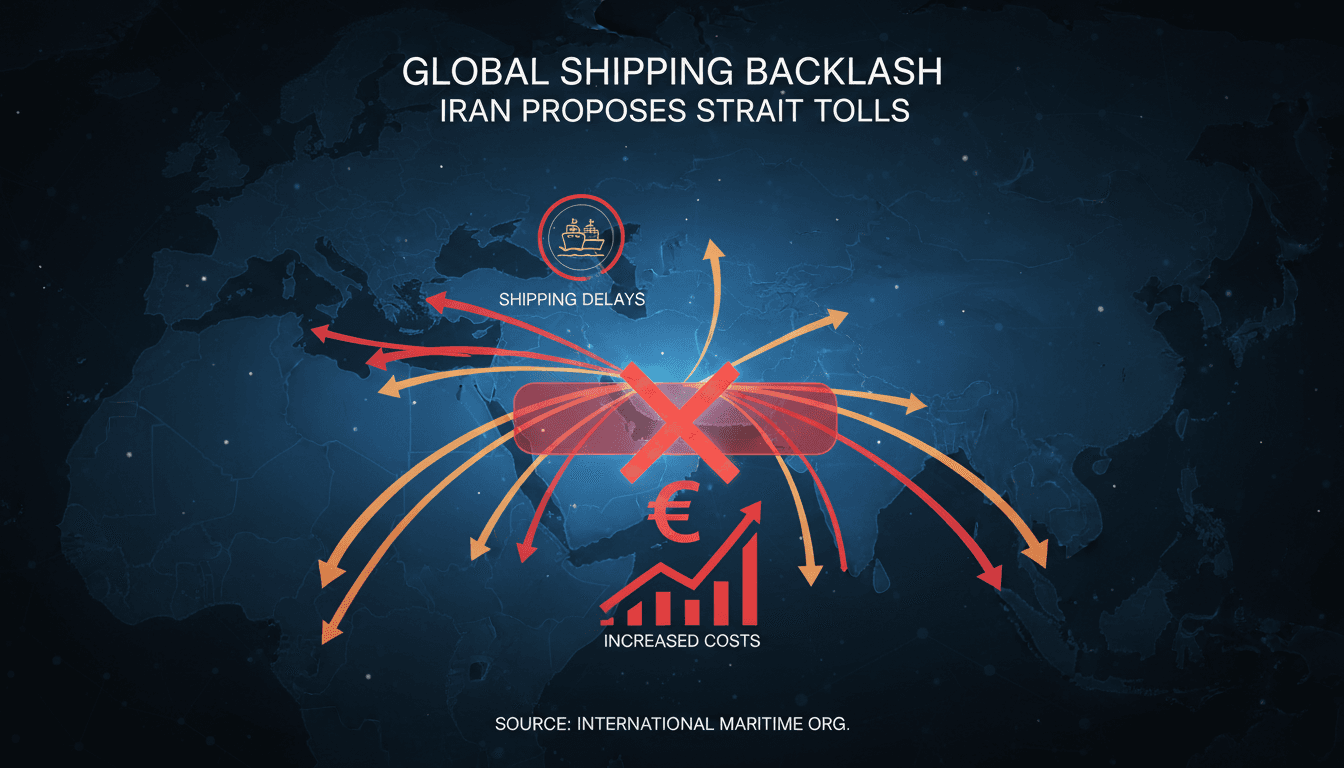
Iran's proposal to impose tolls on ships navigating the Strait of Hormuz could significantly impact global trade and shipping costs. With approximately 20% of the world's oil trade passing through this vital waterway, any disruption could lead to increased prices for consumers worldwide. Major shipping organizations are already voicing their concerns, warning that such fees could violate established principles of free navigation. The international community is likely to respond with heightened scrutiny, particularly regarding potential interventions by the United Nations. Stakeholders are closely monitoring how this situation unfolds, as it may set a precedent for maritime navigation rights.
What happened
Iran has announced plans to collect fees from ships passing through the Strait of Hormuz, a critical maritime route for global trade. This decision has sparked significant backlash from major shipping organizations, which argue that the tolls could disrupt livelihoods and violate free navigation principles. In response, eight leading shipping organizations have signed a letter opposing the proposed tolls, urging for immediate action.
The announcement was made on August 6, 2026, and has since prompted calls for intervention from maritime groups. These organizations emphasize the potential economic ramifications of such fees, which could lead to increased costs for consumers globally.
The Context
The Strait of Hormuz is a vital waterway, facilitating approximately 20% of the world's oil trade. This strategic importance makes Iran's toll proposal particularly concerning for global shipping markets. The backlash from shipping organizations highlights the potential for escalating tensions and international disputes over maritime navigation rights.
As the situation develops, the United Nations may be called upon to intervene, reflecting the broader implications for global trade stability. The timing of Iran's announcement coincides with ongoing geopolitical tensions in the region, further complicating the response from the international community.
Takeaway
As Iran moves forward with its toll proposal, the international community will be closely monitoring the situation, particularly any actions taken by the United Nations. The potential for increased shipping costs and disruptions to global trade could have far-reaching consequences. Stakeholders are also watching for reactions from global shipping markets and fluctuations in oil prices.
The situation remains fluid, and the implications of Iran's decision could lead to significant shifts in maritime navigation policies and international relations.
UAE-based English-language newspaper covering regional politics, economics, and global affairs.
"The National reflects Emirati policy perspectives while maintaining international editorial standards."
— A47 Editor
Iranian plan to impose Strait of Hormuz tolls risks 'shattering' rules of global trade
Iran's proposal to impose tolls on ships passing through the Strait of Hormuz has raised significant concerns, with critics warning that such a move could disrupt global trade and maritime operations in this crucial waterway. The Strait of Hormuz is ...
Global business headlines with AI angles.
"General business outlet that frequently covers AI."
— A47 Editor
Iran Has Said It Will Seek To Collect Fees For Passage Through The Hormuz Strait. Maritime Groups Are Asking The UN To Stop It.
Iran has announced plans to charge fees for vessels passing through the strategically vital Strait of Hormuz, a move that maritime groups are urging the United Nations to prevent, citing concerns over increased consumer costs and threats to free navi...
Corporate leadership, finance, technology, and market trends.
"Fortune covers financial trends, leadership, and innovation with a pragmatic editorial approach."
— A47 Editor
Iran says it has a deal to reopen the Strait of Hormuz—and shipowners are outraged by its plan to charge fees
Iran has announced a deal to reopen the Strait of Hormuz, a critical maritime route for global oil transport, but plans to impose fees on shipowners have sparked outrage within the shipping community. This development follows ongoing negotiations wit...
Global news coverage with extensive reporting on Middle Eastern conflicts and geopolitics.
"Al Jazeera is a Qatar-based broadcaster known for wide regional coverage and alternative perspectives."
— A47 Editor
Strait of Hormuz tolls would harm livelihoods worldwide, shipowners warn
Eight leading shipping organizations have issued a letter opposing proposed tolls in the Strait of Hormuz, warning that such fees would adversely affect global livelihoods and disrupt maritime trade in this critical waterway. The Strait of Hormuz is ...
Comprehensive coverage of Middle Eastern and global issues.
"Al Jazeera is a prominent voice from the Global South, especially the Middle East, with an emphasis on underreported stories."
— A47 Editor
Strait of Hormuz tolls would harm livelihoods worldwide, shipowners warn
Eight leading shipping organizations have issued a letter opposing proposed tolls in the Strait of Hormuz, warning that such fees would adversely affect global livelihoods and disrupt maritime trade in this critical waterway. The Strait of Hormuz is ...