
U.S. Senate Approves New Sanctions Targeting Russia's Energy Sector
Here's what it means for you.
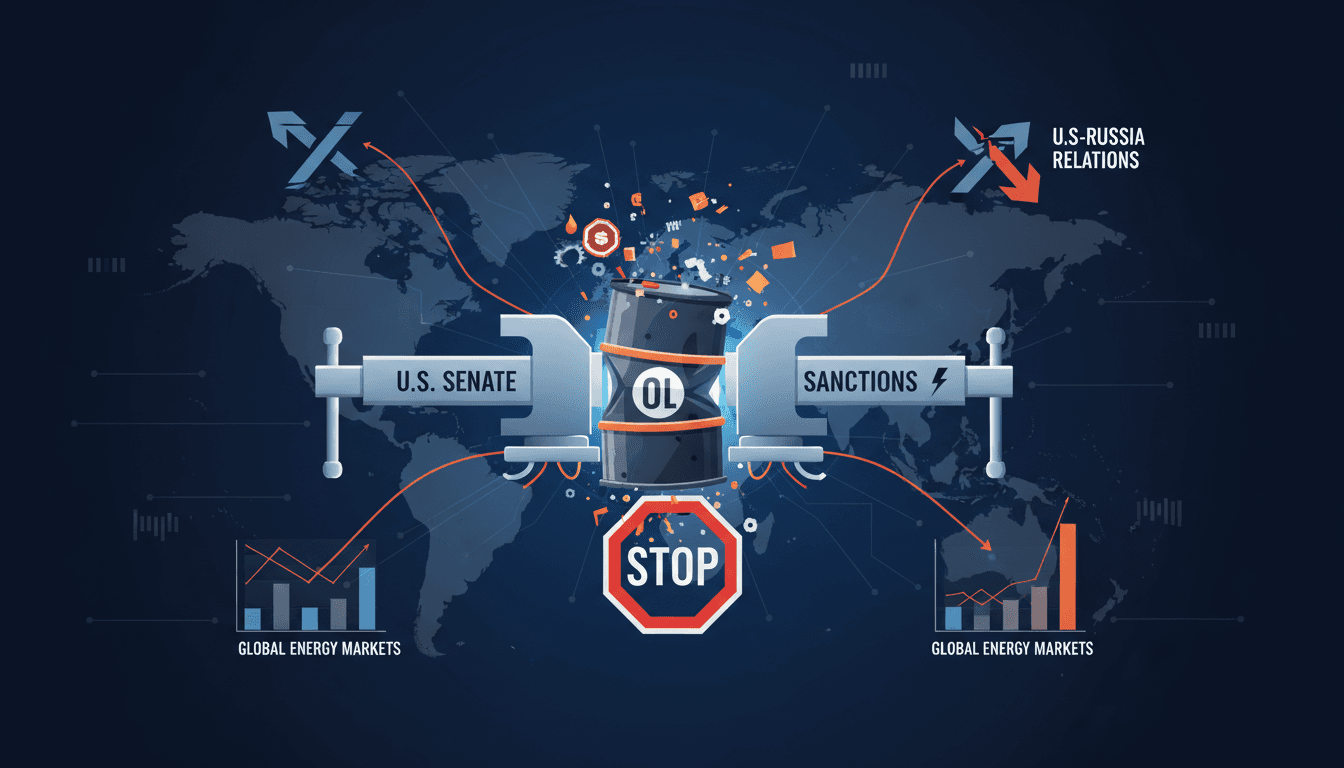
The recent sanctions imposed by the U.S. Senate on Russia's energy sector signal a significant escalation in geopolitical tensions. This legislative action aims to tighten economic pressure on Moscow, potentially reshaping global energy markets. Stakeholders in the energy sector should prepare for volatility as these sanctions may disrupt existing supply chains and revenue streams. As the U.S. seeks to hold Russia accountable for its actions, the implications for international relations and energy policies will be closely monitored. The long-term effects on U.S.-Russia relations could lead to further economic isolation for Russia and a reevaluation of energy dependencies among European allies.
What happened
The U.S. Senate has approved a new package of sanctions specifically targeting Russia's energy revenues. This decision reflects the ongoing tensions between the U.S. and Russia, as lawmakers aim to increase economic pressure on Moscow. The sanctions were passed by a wide majority, indicating strong bipartisan support for the measure.
The legislation includes secondary tariffs against Russia, focusing primarily on tightening revenue streams from oil and gas. This move follows previous sanctions imposed by the U.S. and its allies, reinforcing a broader strategy to counter Russian aggression in the region.
The Context
The energy sector is a critical source of revenue for the Russian economy, making it a prime target for sanctions. By targeting this sector, the U.S. aims to diminish Moscow's financial capabilities and hold it accountable for its actions on the global stage. The timing of these sanctions comes amid escalating geopolitical tensions, highlighting the urgency of the situation.
As the U.S. continues to navigate its foreign policy, the implications of these sanctions extend beyond Russia. European allies will also be affected, particularly regarding energy supplies and their own economic stability. The interconnectedness of global energy markets means that shifts in Russian energy revenues could have far-reaching consequences.
Takeaway
The new sanctions may further strain U.S.-Russia relations and impact global energy markets. Observers should watch for potential responses from the Russian government, which could influence future diplomatic engagements. Additionally, reactions from European allies will be crucial as they assess the impact on their energy supplies and economic interests.
As the situation develops, the effectiveness of these sanctions in altering Russia's behavior will be closely monitored. The potential economic repercussions for both nations could reshape the landscape of international relations and energy policies.
Pan-Arab news coverage spanning politics, business, sports, and regional affairs.
"Asharq Al-Awsat reflects a broad Arab editorial perspective with strong attention to regional geopolitics."
— A47 Editor
مجلس الشيوخ الأميركي يتبنى عقوبات جديدة على روسيا
The U.S. Senate has adopted a new package of sanctions against Russia, primarily targeting Moscow's revenue from the energy sector, with a significant majority supporting the measure. This decision reflects ongoing tensions between the U.S. and Russi...
Arabic-language coverage of international news and geopolitics.
"RT Arabic is a Russian state-funded outlet often criticized for promoting Kremlin-aligned narratives."
— A47 Editor
الشيوخ الأمريكي يصادق على تشديد العقوبات ضد روسيا
The U.S. Senate approved a bill on Friday that imposes new sanctions and secondary tariffs against Russia in a final vote. This legislative action reflects ongoing tensions between the United States and Russia, particularly in light of recent geopoli...
Jordanian news and regional updates.
"Roya News is a Jordanian outlet focused on breaking news and local affairs."
— A47 Editor
مجلس الشيوخ الأمريكي يتبنى عقوبات جديدة على روسيا تستهدف قطاع الطاقة
The U.S. Senate has adopted new sanctions targeting Russia, specifically focusing on the energy sector, aimed at tightening the financial pressure on the country's oil revenues. This move underscores the ongoing geopolitical tensions and the U.S. com...