
Iran Demands U.S. Compensation Before Reopening Strait of Hormuz
Here's what it means for you.
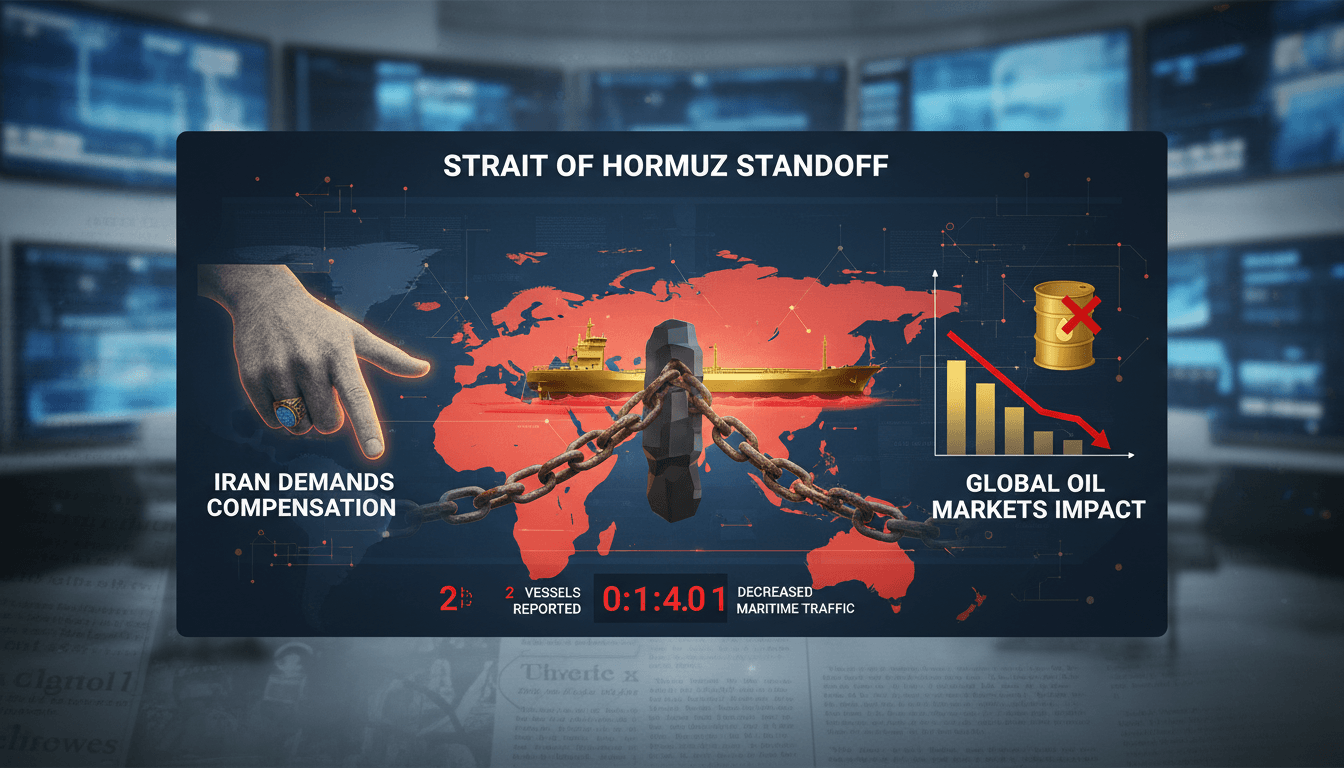
The ongoing standoff between Iran and the U.S. over the Strait of Hormuz could have significant ramifications for global oil markets. With maritime traffic dwindling to just two vessels recently, the potential for increased oil prices looms large. Stakeholders in the energy sector should closely monitor developments, as any escalation could disrupt supply chains and impact international relations. The geopolitical landscape in the region remains fragile, and the outcome of these negotiations will be crucial for maintaining stability. Companies reliant on oil transportation through this vital waterway may need to prepare for potential disruptions.
What happened
Iran's Islamic Revolutionary Guard Corps has announced that the Strait of Hormuz will not fully reopen until the United States meets its demands, which include compensation for war damages. This declaration comes amidst ongoing negotiations, with traffic through the strait significantly decreased. Recently, only two vessels were reported traveling through this critical maritime route, highlighting the escalating tensions.
Iran's chief negotiator has publicly criticized U.S. diplomacy, suggesting a lack of sincerity in the negotiations. The situation remains tense as both sides grapple with the implications of their demands and the potential fallout from continued closure of the strait.
The Context
The Strait of Hormuz is a crucial waterway for global oil transportation, making its status a matter of international concern. Iran's insistence on specific conditions from the U.S. reflects broader geopolitical tensions and the complexities of the ongoing negotiations. The timing of these developments is critical, as the region faces heightened scrutiny from global markets and policymakers.
With maritime traffic dwindling, the implications for oil supply and pricing are significant. Stakeholders, including governments and energy companies, are closely watching the situation, as any prolonged closure could lead to increased volatility in oil markets.
Takeaway
As negotiations continue, the future of maritime traffic in the Strait of Hormuz remains uncertain. The geopolitical implications of Iran's demands could have far-reaching effects on global oil markets and international relations. Observers should watch for potential U.S. responses to Iran's conditions and any further developments in the negotiations.
The outcome of this standoff will likely shape the dynamics of energy supply and security in the region. Companies and governments alike must remain vigilant as the situation evolves.
Breaking news, politics, business, and entertainment from the U.S. and around the world.
"The New York Post is a tabloid-format newspaper known for its sensationalist headlines and conservative-leaning editorial tone."
— A47 Editor
Iran’s top security official threatens Hormuz won’t reopen fully ‘until America corrects its behavior’
Iran's Islamic Revolutionary Guard Corps has stated that the Strait of Hormuz will not fully reopen until the United States accepts Iran's conditions, dampening hopes for normal maritime traffic in this crucial waterway.
Editor-curated FT homepage stories spanning markets, business, world, and opinion.
"The Financial Times is a globally respected business publication with a centrist/center-left tone and strong markets focus."
— A47 Editor
Tehran says US must ‘rectify its behaviour’ before Iran reopens strait
Tehran has stated that the United States must rectify its behavior and pay compensation for war damages before Iran considers reopening the strategically vital Strait of Hormuz. This statement reflects ongoing tensions between the two nations, partic...
Jordanian news and regional updates.
"Roya News is a Jordanian outlet focused on breaking news and local affairs."
— A47 Editor
إيران تشترط تعديل السلوك الأمريكي ورفع الحصار لإعادة فتح مضيق هرمز
Iran has set conditions for resolving the crisis, demanding a change in U.S. behavior and the lifting of sanctions to reopen the Strait of Hormuz. This statement highlights Iran's stance on international negotiations and its insistence on preconditio...
Jordanian news and regional updates.
"Roya News is a Jordanian outlet focused on breaking news and local affairs."
— A47 Editor
الحرس الثوري الإيراني: إعادة فتح مضيق هرمز مرهونة بقبول واشنطن لشروط طهران
The Iranian Revolutionary Guard Corps, represented by spokesperson Brigadier General Mohibbi, stated that the reopening of the Strait of Hormuz is contingent upon Washington accepting Tehran's conditions. This statement highlights the ongoing tension...
Global business headlines with AI angles.
"General business outlet that frequently covers AI."
— A47 Editor
An Announcement To Reopen The Strait Of Hormuz Remains Elusive. Traffic Is Down To a Trickle
Only two vessels transited the Strait of Hormuz on Wednesday, highlighting a significant decline in maritime traffic as negotiations with Iran to reopen the vital waterway continue. This follows a period of heightened tensions and military actions th...
Global business headlines with AI angles.
"General business outlet that frequently covers AI."
— A47 Editor
The Deal To Reopen The Strait Of Hormuz Is Yet To Come. Iran's Chief Negotiator Is Taking On Trump
Iran's chief negotiator has accused Donald Trump of engaging in 'theater diplomacy' while calling for him to recognize the facts and fulfill commitments as negotiations to reopen the Strait of Hormuz continue. This statement highlights the ongoing te...