
Europe Faces Historic Drought Amid Intense Heatwave
What happened
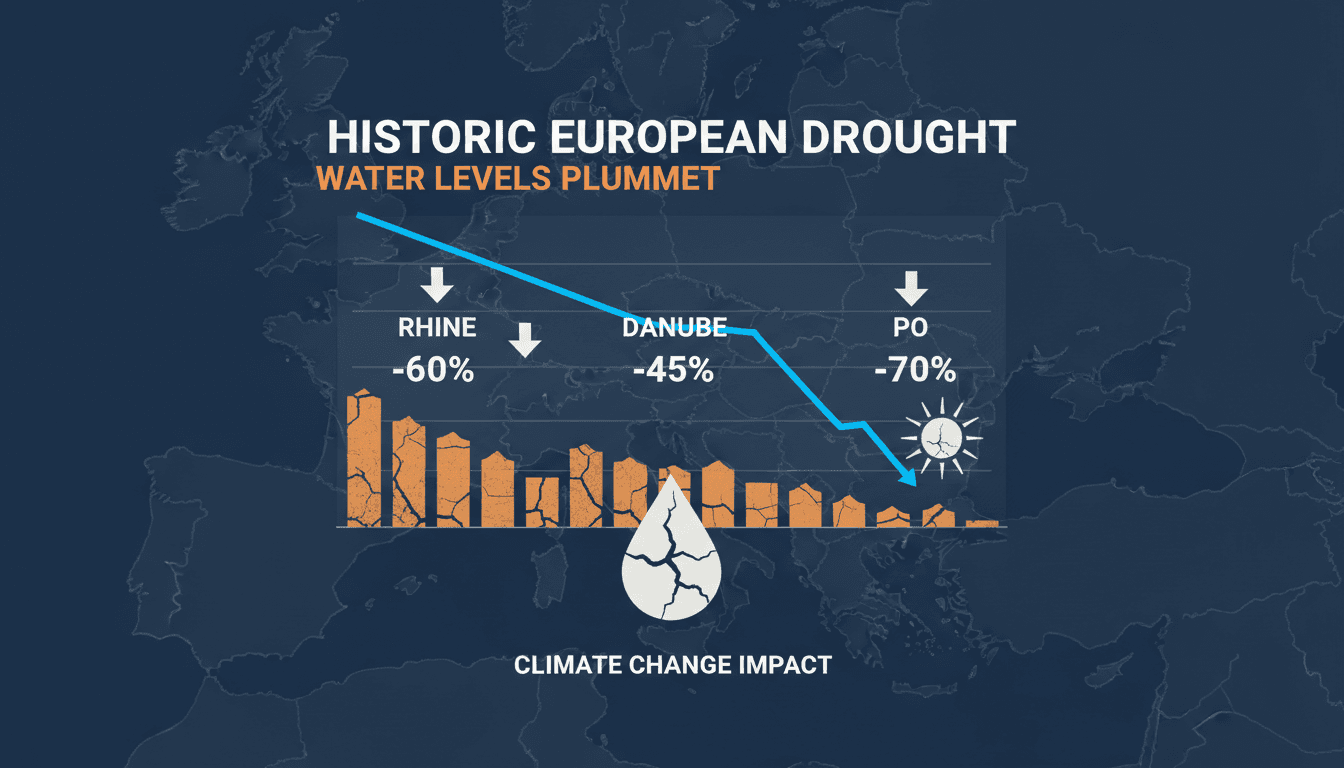
Europe is currently grappling with a severe heatwave that has resulted in historic drought conditions across the continent. Major rivers, including the Rhine, Po, and Danube, are experiencing unprecedented low water levels, disrupting navigation and energy production. This extreme weather event marks the fifth major heatwave of the year, highlighting the increasing frequency of such occurrences due to climate change.
The ongoing high temperatures are expected to further hinder moisture replenishment in these vital waterways. As a result, the drought poses significant risks to ecosystems and agricultural yields, necessitating immediate attention from both local and national authorities.
The Context
The current heatwave is part of a troubling trend, as Europe has faced five major heatwaves this year alone. This alarming frequency underscores the severity of the climate crisis and its direct impact on water resources. Stakeholders, including farmers, energy producers, and transport companies, are feeling the strain as low water levels disrupt their operations.
The implications of this drought extend beyond immediate economic concerns; they also raise questions about long-term water management and climate policies. As temperatures continue to rise, the risk of wildfires and agricultural losses increases, making it imperative for governments to implement effective strategies to address these challenges.
Takeaway
As the heatwave persists, the situation is likely to worsen, necessitating immediate action to mitigate the impacts on water resources and food security in Europe. Observers should monitor the effects of the drought on agricultural yields and the potential policy responses that may emerge in the coming weeks. The urgency of addressing climate-related challenges has never been more pronounced, as the region grapples with the consequences of extreme weather.
Long-term strategies to combat climate change and its effects on weather patterns will be crucial for ensuring the resilience of European ecosystems and economies. Stakeholders must remain vigilant and proactive in adapting to these changing conditions.
24/7 international news from a French perspective in multiple languages.
"France 24 is viewed as a globally focused outlet with balanced coverage and a European perspective."
— A47 Editor
Heatwave: European rivers face historic drought
European rivers, including the Loire, Danube, Rhine, and Po, are experiencing historic drought conditions, with water levels reaching record lows due to an ongoing heatwave. This situation threatens river transport, energy production, ecosystems, and...
UAE-based English-language newspaper covering regional politics, economics, and global affairs.
"The National reflects Emirati policy perspectives while maintaining international editorial standards."
— A47 Editor
Europe's river levels dwindle to record lows as heatwaves continue
Europe's river levels have reached record lows due to an ongoing severe drought, exacerbated by extreme heatwaves with temperatures exceeding 40°C. This environmental crisis is impacting vital sectors such as irrigation, power generation, and freight...
Global markets, investing, and macroeconomics from a premier financial newsroom.
"Bloomberg is respected for in-depth financial reporting and data-driven analysis."
— A47 Editor
Europe's Extreme Heat Wave Crisis Is Getting Worse
Europe is currently experiencing its fifth major heat wave of the year, exacerbating drought conditions and increasing wildfire risks. This extreme heat is threatening crops and drying up vital watersheds that feed into critically low rivers such as ...