
Shipping traffic through the Strait of Hormuz plummets amid rising security risks
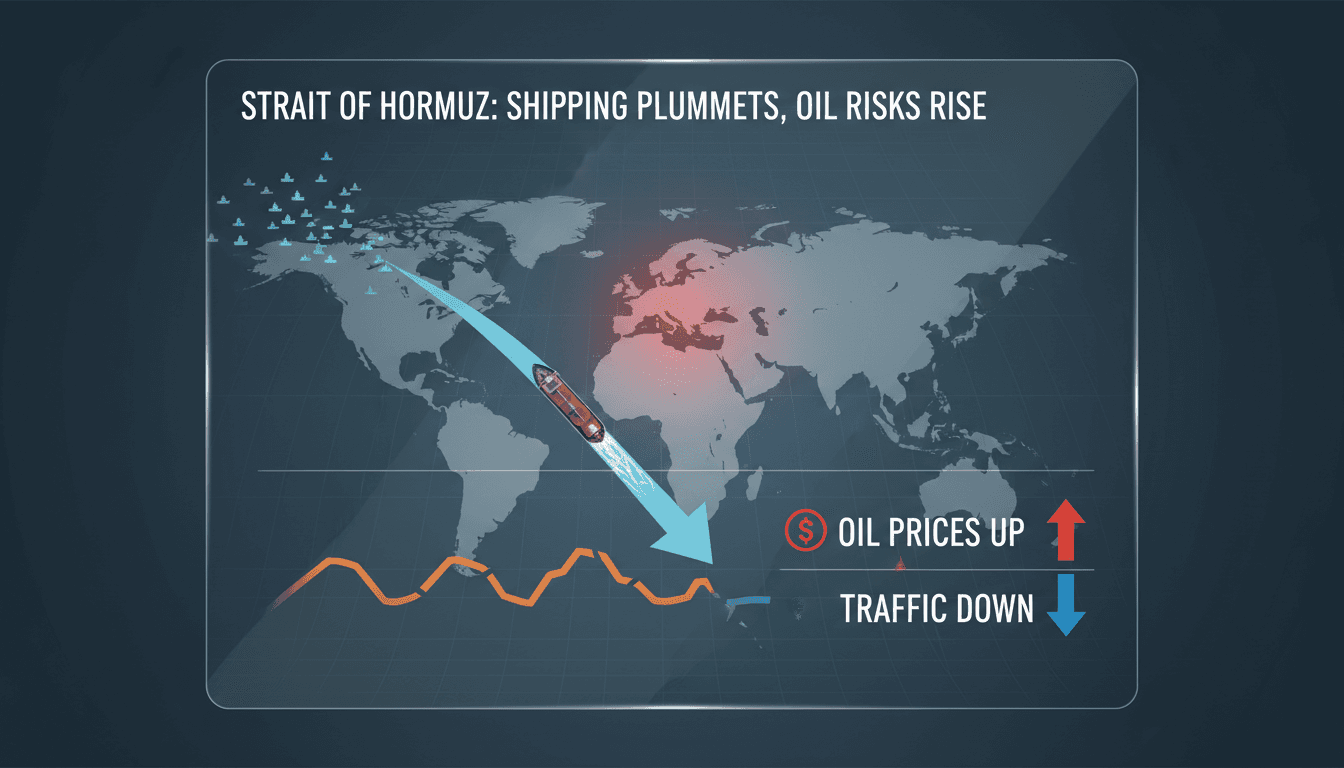
Here's what it means for you.
The drastic decline in shipping traffic through the Strait of Hormuz signals a significant shift in global oil supply dynamics. With daily vessel numbers plummeting from 130 to as low as 6, shipping companies are increasingly deterred by rising insurance costs and security threats. This situation could lead to higher oil prices and further disruptions in energy markets as Gulf nations navigate Iran's growing influence in the region. As the geopolitical landscape evolves, stakeholders must remain vigilant about potential negotiations between Gulf states and Iran regarding shipping security. The implications for global energy markets are profound, as continued disruptions could reshape pricing strategies and supply routes.
What happened
Shipping traffic in the Strait of Hormuz has seen a dramatic decline due to escalating security concerns. Reports indicate that the number of vessels transiting the strait has fallen from 130 daily to as low as 6. This alarming drop highlights the severe impact of geopolitical tensions on global shipping routes.
The decline in traffic is primarily attributed to rising insurance costs and fears of attacks, which have deterred shipping companies from using this critical passage. As a result, the Strait of Hormuz, a vital artery for global oil transport, is facing unprecedented challenges.
The Context
The Strait of Hormuz is a crucial passage for global oil shipments, making its stability essential for energy markets worldwide. Iran's increasing influence in the region has raised concerns among Gulf nations, who appear to be accepting its control over the strait despite dissatisfaction among oil and gas exporters regarding ongoing negotiations.
The timing of this decline is critical, as it coincides with heightened geopolitical tensions that could further complicate shipping operations. The implications of this situation extend beyond immediate shipping concerns, potentially affecting global oil supply and pricing dynamics.
Takeaway
The ongoing geopolitical situation in the Strait of Hormuz may lead to further disruptions in global oil supply routes. Stakeholders should closely monitor potential negotiations between Gulf states and Iran regarding shipping security, as these discussions could significantly impact shipping activity in the region.
Additionally, changes in global oil prices are likely as a result of continued shipping disruptions. The situation remains precarious, with the potential for increased tensions that could have far-reaching effects on energy markets.
Arabic-language coverage of international news and geopolitics.
"RT Arabic is a Russian state-funded outlet often criticized for promoting Kremlin-aligned narratives."
— A47 Editor
"وول ستريت جورنال": حركة الملاحة في مضيق هرمز تراجعت إلى خمسها رغم تصريحات ترامب
According to the Wall Street Journal, maritime traffic in the Strait of Hormuz has significantly declined from 130 to 26 vessels per day, attributed to heightened risks of attacks and increased insurance costs.
Pan-Arab political news and analysis.
"Al-Quds Al-Arabi is a London-based Arabic newspaper known for political coverage."
— A47 Editor
وول ستريت جورنال: دول الخليج تتقبل “الواقع الجديد” وسيطرة إيران على مضيق هرمز
The Wall Street Journal reported that Gulf countries appear to have accepted the new reality of Iranian control over the Strait of Hormuz. The article, authored by Samar Said and Benoit Faucon, indicates that oil and gas exporters are dissatisfied wi...
Jordanian news and regional updates.
"Roya News is a Jordanian outlet focused on breaking news and local affairs."
— A47 Editor
رويترز: تراجع حركة الشحن عبر مضيق هرمز إلى ست سفن فقط
According to a report by Reuters published on Tuesday, shipping traffic through the Strait of Hormuz has declined to only six vessels. This significant drop highlights ongoing challenges in maritime trade in this critical waterway, which is a vital r...