
Iran's control over the Strait of Hormuz faces significant regional challenges
What happened
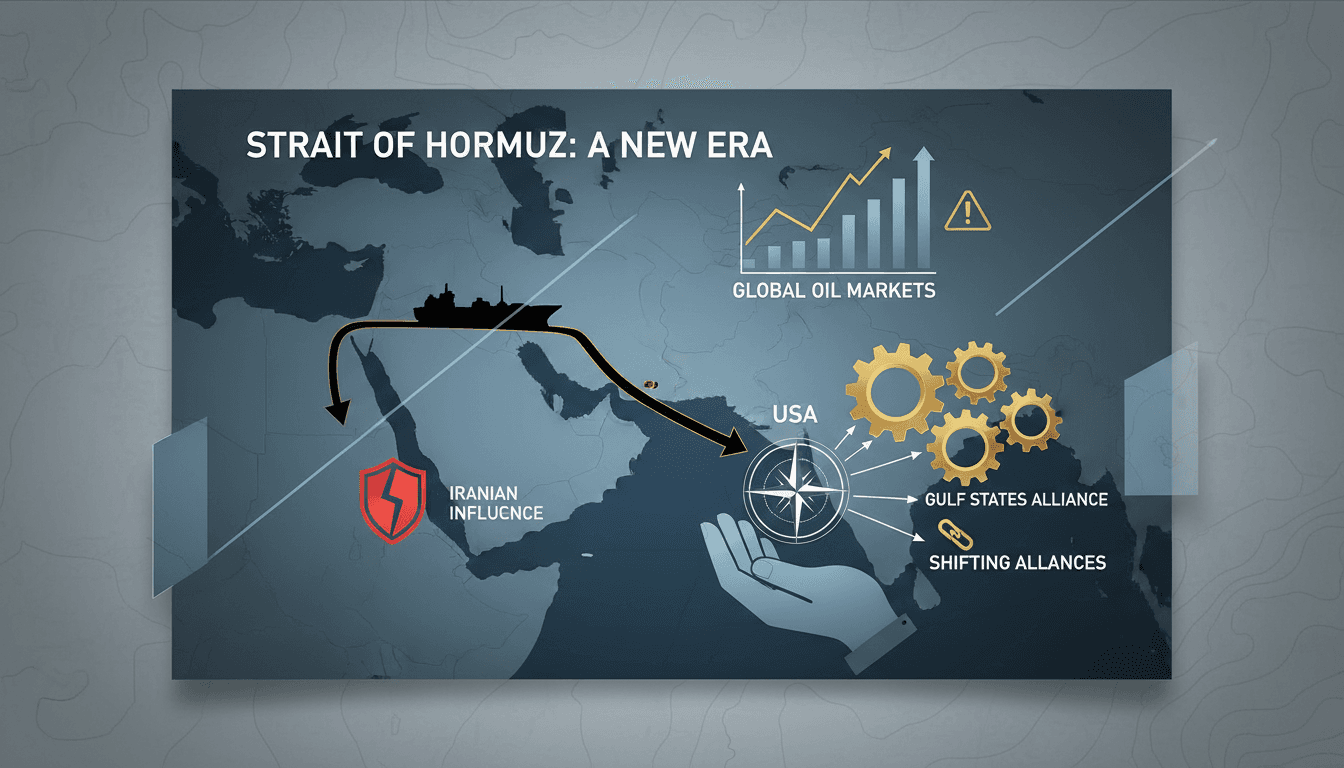
Iran's traditional dominance over the Strait of Hormuz is being challenged by changing regional security dynamics. Historically, Iran has leveraged its position in this vital waterway to exert influence over global oil supplies. However, neighboring Gulf states are now adapting their security strategies to counter Tehran's actions, indicating a shift in the balance of power.
This evolving situation poses significant implications for U.S. foreign policy, as the country navigates the complexities of regional tensions. Approximately 20% of the world's oil passes through the Strait of Hormuz, making it a critical chokepoint for energy supplies and a focal point for international relations.
The Context
The Strait of Hormuz has long been viewed by Iran as a strategic asset, allowing it to control oil flow and assert its influence in the region. Recent actions by Gulf neighbors, including enhanced security measures, reflect a concerted effort to limit Iran's leverage. This shift is occurring against a backdrop of increasing Iranian rhetoric regarding its control over the strait.
As these dynamics unfold, the U.S. faces challenges in formulating an effective foreign policy response. The interplay between Iran and its neighbors will be crucial in determining the future of security and stability in this vital region, which has far-reaching implications for global energy markets.
Takeaway
The shifting balance of power in the Gulf could lead to increased tensions and a reevaluation of U.S. strategies in the region. Observers should watch for potential military responses from Gulf states to Iranian provocations, as these actions could escalate conflicts. Additionally, changes in U.S. foreign policy regarding Iran and its neighbors will be critical in shaping the future landscape.
As regional dynamics continue to evolve, the potential for conflict or cooperation remains uncertain. The actions of both Iran and its neighbors will play a pivotal role in determining the trajectory of security and stability in this essential area.
Breaking news, politics, business, and entertainment from the U.S. and around the world.
"The New York Post is a tabloid-format newspaper known for its sensationalist headlines and conservative-leaning editorial tone."
— A47 Editor
Tehran is losing its grip on Hormuz, and with it all its leverage
Tehran's influence over the Strait of Hormuz is diminishing, as recent developments indicate that Iran is negotiating a deal with Oman regarding control of this critical maritime route, which is vital for global oil shipments. Despite these negotiati...
Capitol Hill news, legislation, and policy insight.
"The Hill specializes in U.S. politics and policy, with a focus on Capitol Hill developments and a reputation for insider reporting."
— A47 Editor
The Memo: Mideast troubles press in on Trump
President Trump is currently facing significant challenges in the Middle East, particularly regarding Iran's increasing assertiveness over the Strait of Hormuz, a vital maritime route for global oil shipments. Iran's leadership is demanding concessio...
Global news coverage with extensive reporting on Middle Eastern conflicts and geopolitics.
"Al Jazeera is a Qatar-based broadcaster known for wide regional coverage and alternative perspectives."
— A47 Editor
Iran changed the rules in Hormuz. The Gulf is changing the rules for Iran
Iran has gained leverage in the strategically vital Strait of Hormuz, announcing that it is nearing a deal with Oman regarding its management. However, Tehran has emphasized that this agreement alone will not suffice to reopen the waterway, indicatin...
Comprehensive coverage of Middle Eastern and global issues.
"Al Jazeera is a prominent voice from the Global South, especially the Middle East, with an emphasis on underreported stories."
— A47 Editor
Iran changed the rules in Hormuz. The Gulf is changing the rules for Iran
Iran has gained leverage in the strategically vital Strait of Hormuz, announcing that it is nearing a deal with Oman regarding its management. However, Tehran has emphasized that this agreement alone will not suffice to reopen the waterway, indicatin...