
Unexplained Death of Laboratory Worker at Russian Anti-Plague Institute Raises Health Concerns
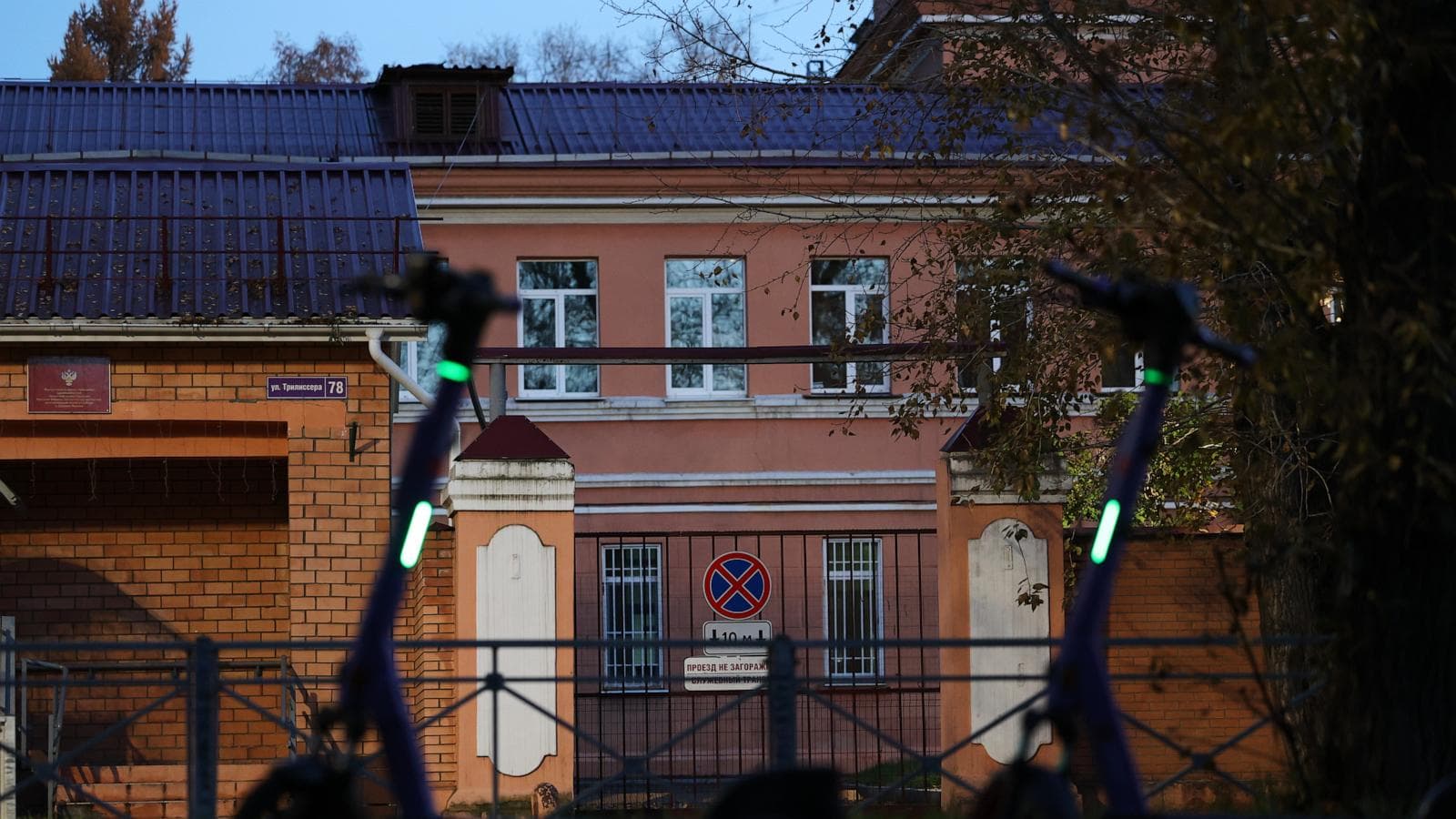
Why it matters
This incident highlights the potential risks associated with high-containment laboratories and the importance of transparency in public health responses.
What happened (in 30 seconds)
- A laboratory technician died on October 2, 2026, from pneumonia of unknown origin at the Irkutsk Anti-Plague Research Institute in Siberia.
- Extensive testing revealed no evidence of plague or other dangerous pathogens, despite initial fears of a lab accident.
- The World Health Organization is seeking further investigation and confirmation amid unverified reports of a possible second case.
The context you actually need
- The Irkutsk institute conducts research on plague and other high-risk pathogens in a region where Yersinia pestis naturally occurs among rodents.
- Initial quarantine measures were implemented for approximately 200 contacts following the technician's exposure to live biological material.
- Russian authorities have denied any lab accidents or confirmed cases of plague, emphasizing the need for official channels in public health communication.
What's really happening
On September 25, 2026, Darya Shipilova, a 28-year-old laboratory technician, handled live biological material at the Irkutsk Anti-Plague Research Institute. Shortly after, she developed severe respiratory symptoms and was hospitalized in Shelekhov. Despite extensive medical intervention, she succumbed to pneumonia on October 2. Russian health officials attributed her death to pneumonia of undetermined etiology, with over 5,500 tests conducted on her and her contacts yielding no evidence of dangerous pathogens.
The incident has raised significant public health concerns, particularly regarding the safety protocols in place at high-containment laboratories. The Irkutsk institute is known for its research on plague (Yersinia pestis) and other severe diseases, which naturally occur in the surrounding region. The lack of confirmed pathogens in the tests has led to speculation about potential exposure routes, including a possible lab accident or travel-related exposure. However, Russian authorities have firmly denied these claims, emphasizing that no plague cases have been confirmed.
The World Health Organization (WHO) has issued a Disease Outbreak News update, calling for further investigation and additional diagnostic confirmation. The organization is particularly interested in unverified reports of a second case, which Russian officials have denied. This situation has led to skepticism among international media and health experts regarding the transparency of the Russian response.
The implications of this incident extend beyond the immediate health concerns. It raises questions about the protocols and safety measures in place at laboratories handling high-risk pathogens. The potential for a lab accident, even if unconfirmed, can lead to public fear and distrust in health systems. Furthermore, the incident underscores the importance of international cooperation and transparency in addressing public health threats, especially in an era where global travel can facilitate the rapid spread of infectious diseases.
Who feels it first (and how)
- Public health officials: Increased scrutiny on laboratory safety protocols and response measures.
- Researchers in infectious diseases: Potential impacts on funding and regulatory oversight for high-risk pathogen research.
- Local communities: Heightened anxiety about potential outbreaks and the effectiveness of health responses.
What to watch next
- Further investigations by WHO: Their findings could influence global biosecurity policies and laboratory safety standards.
- Public health responses in Russia: Monitoring how Russian authorities manage communication and transparency in the wake of this incident.
- Emerging reports of similar cases: Any new cases or incidents could indicate broader systemic issues within laboratory safety protocols.
Darya Shipilova died from pneumonia of unknown etiology; extensive testing found no dangerous pathogens.
Increased scrutiny on laboratory safety protocols and public health responses in Russia and globally.
The exact cause of Shipilova's pneumonia and whether there are any unreported cases or lab incidents.
Frequently Asked Questions
- Why it matters?
- This incident highlights the potential risks associated with high-containment laboratories and the importance of transparency in public health responses.
- What happened (in 30 seconds)?
- A laboratory technician died on October 2, 2026, from pneumonia of unknown origin at the Irkutsk Anti-Plague Research Institute in Siberia. Extensive testing revealed no evidence of plague or other dangerous pathogens, despite initial fears of a lab accident. The World Health Organization is seeking further investigation and confirmation amid unverified reports of a possible second case.
- What's really happening?
- On September 25, 2026, Darya Shipilova, a 28-year-old laboratory technician, handled live biological material at the Irkutsk Anti-Plague Research Institute. Shortly after, she developed severe respiratory symptoms and was hospitalized in Shelekhov. Despite extensive medical intervention, she succumbed to pneumonia on October 2. Russian health officials attributed her death to pneumonia of undetermined etiology, with over 5,500 tests conducted on her and her contacts yielding no evidence of dange
- Who feels it first (and how)?
- Public health officials: Increased scrutiny on laboratory safety protocols and response measures. Researchers in infectious diseases: Potential impacts on funding and regulatory oversight for high-risk pathogen research. Local communities: Heightened anxiety about potential outbreaks and the effectiveness of health responses.
- What to watch next?
- Further investigations by WHO: Their findings could influence global biosecurity policies and laboratory safety standards. Public health responses in Russia: Monitoring how Russian authorities manage communication and transparency in the wake of this incident. Emerging reports of similar cases: Any new cases or incidents could indicate broader systemic issues within laboratory safety protocols.
Global news coverage with extensive reporting on Middle Eastern conflicts and geopolitics.
"Al Jazeera is a Qatar-based broadcaster known for wide regional coverage and alternative perspectives."
— A47 Editor
WHO says no plague case registered after Russian lab worker’s death
The World Health Organization (WHO) has reported that no cases of plague have been confirmed following the death of a laboratory worker at the Irkutsk Anti-Plague Institute in Russia. The worker exhibited pneumonia-like symptoms before her death, lea...
Comprehensive coverage of Middle Eastern and global issues.
"Al Jazeera is a prominent voice from the Global South, especially the Middle East, with an emphasis on underreported stories."
— A47 Editor
WHO says no plague case registered after Russian lab worker’s death
The World Health Organization (WHO) has reported that no cases of plague have been confirmed following the death of a laboratory worker at the Irkutsk Anti-Plague Institute in Russia. The worker exhibited pneumonia-like symptoms before her death, lea...
Medical headlines, wellness tips, and public health guidance.
"ABC News delivers broad national coverage with a mainstream editorial stance, focusing on accessibility and balanced reporting."
— A47 Editor
Mystery surrounds young worker's death at Russia lab studying severe diseases
A young female worker at a plague research laboratory in Russia has died from pneumonia of unknown origin, prompting investigations by the World Health Organization (WHO) and raising concerns about the circumstances surrounding her death. Russian aut...
Conservative-leaning political and national coverage.
"The Washington Times is a conservative-leaning newspaper known for its political coverage and advocacy of right-of-center viewpoints."
— A47 Editor
Mystery surrounds young worker's death at Russia lab studying severe diseases
The World Health Organization is investigating the death of a 28-year-old woman who worked at an anti-plague laboratory in Russia, with no clear cause identified yet. This incident has raised alarms about a potential outbreak of pneumonic plague, par...
Global coverage of politics, crises, and international affairs.
"HuffPost provides progressive-oriented reporting on international developments, often focusing on humanitarian and social justice issues."
— A47 Editor
Russian Official Seeks To Turn The Page On A Suspected Pneumonic Plague Case But Questions Remain
A Russian official is attempting to address concerns surrounding a suspected case of pneumonic plague following the death of a laboratory worker at the Irkutsk Anti-Plague Institute. The World Health Organization (WHO) is seeking further information ...
International news, politics, and culture.
"Sky News is a UK-based 24-hour channel known for fast-breaking news and political coverage."
— A47 Editor
Russia denies second case of 'plague' as WHO seeks to verify
Russia has denied reports of a second case of plague following the death of Darya Shipilova, a 28-year-old laboratory worker at the Irkutsk Anti-Plague Institute, who died after exhibiting pneumonia-like symptoms. The World Health Organization (WHO) ...