
Iran Reiterates Closure of Strait of Hormuz Until U.S. Compliance with Demands
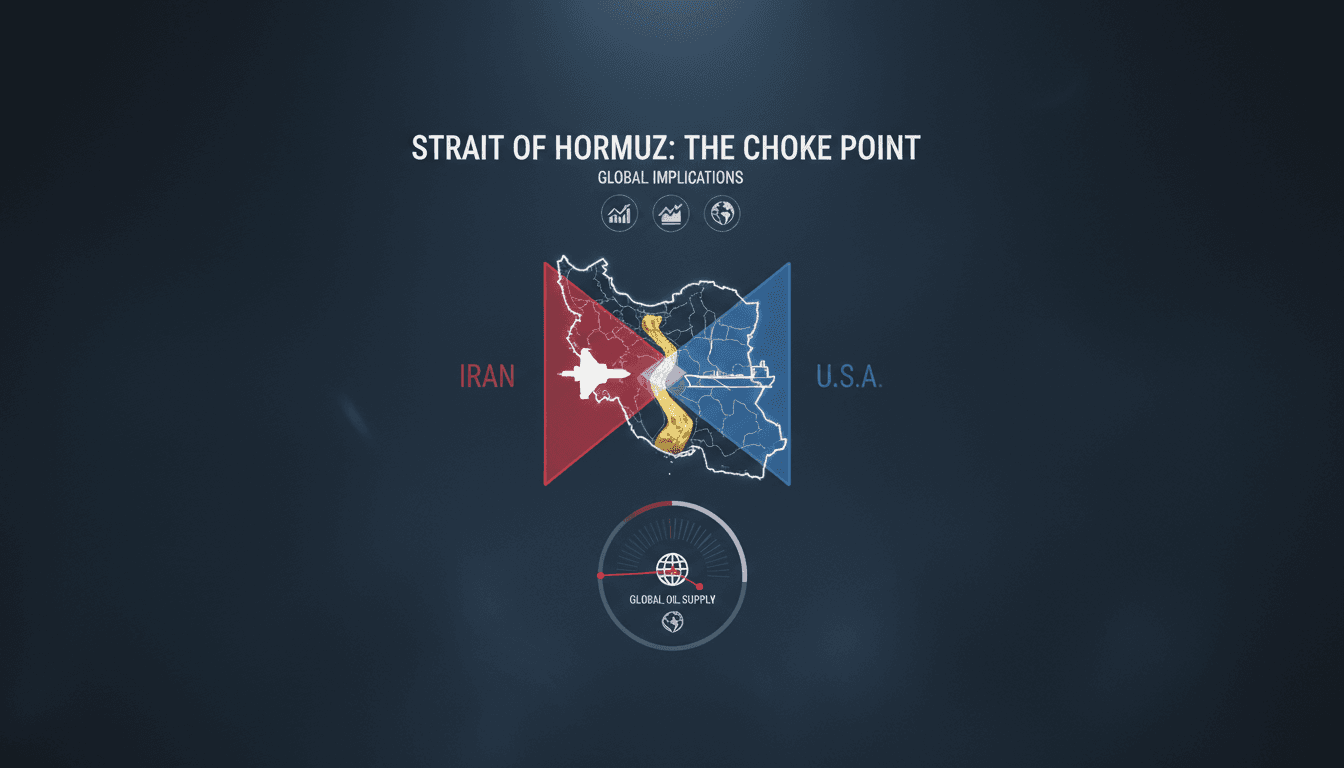
Here's what it means for you.
The closure of the Strait of Hormuz by Iran poses significant risks to global oil supply chains, as approximately 20% of the world's oil passes through this critical waterway. The ongoing standoff between Iran and the United States could lead to increased volatility in oil markets, impacting prices and availability. Stakeholders in the energy sector should closely monitor developments, as any escalation could have far-reaching implications for international trade and security.
What happened
Iran's Supreme National Security Council Secretary, Mohsen Rezaei, announced that the Strait of Hormuz will remain closed until the United States meets Iran's conditions. This declaration is a direct response to ongoing U.S. hostilities and the freezing of Iranian assets. Rezaei emphasized the necessity for the U.S. to cease its aggressive actions and release the funds that have been frozen.
The ultimatum reflects Iran's firm stance on the matter, linking the reopening of the strait to U.S. compliance. The situation escalated on August 11, 2026, when Rezaei made these statements, highlighting the ongoing tensions between the two nations. The closure of this strategic waterway could have significant implications for global oil supply.
The Context
The Strait of Hormuz is a vital artery for global oil shipments, making its security crucial for energy markets worldwide. Iran has previously threatened to close the strait in response to U.S. sanctions, indicating a long-standing tension between the two countries. The current geopolitical climate is marked by heightened hostilities, which could disrupt international trade and security.
With approximately 20% of the world's oil passing through this narrow passage, any disruption could lead to significant price fluctuations and supply shortages. The implications of this standoff extend beyond the immediate region, affecting global energy dynamics and international relations. Stakeholders must consider the broader context of U.S.-Iran relations as they navigate these developments.
Takeaway
The ongoing standoff between Iran and the U.S. over the Strait of Hormuz is poised to escalate, with potential ramifications for global oil supply and geopolitical stability. Observers should monitor U.S. responses to Iran's demands, particularly regarding the release of frozen assets. Developments in negotiations could either alleviate tensions or exacerbate the situation further.
As the situation unfolds, the energy sector and international policymakers must remain vigilant. The implications of this conflict could reshape energy markets and influence diplomatic relations in the region. The world is watching closely as both nations navigate this critical juncture.
Arabic-language coverage of international news and geopolitics.
"RT Arabic is a Russian state-funded outlet often criticized for promoting Kremlin-aligned narratives."
— A47 Editor
أمين المجلس الأعلى للأمن القومي الإيراني يجدد شروط طهران لفتح مضيق هرمز
Mohsen Rezaei, the Secretary of Iran's Supreme National Security Council, stated on Tuesday that the United States must end its war against Iran to facilitate the opening of the Strait of Hormuz. This statement underscores the ongoing tensions betwee...
Pan-Arab political news and analysis.
"Al-Quds Al-Arabi is a London-based Arabic newspaper known for political coverage."
— A47 Editor
مسؤول إيراني: مضيق هرمز سيظل مغلقا ما لم تستجب أمريكا لشروط طهران
Mohsen Rezai, the Secretary of Iran's Supreme National Security Council, stated that the Strait of Hormuz will remain closed unless the United States alters its behavior and accepts Iran's conditions. He emphasized the need for the U.S. to end hostil...
Jordanian news and regional updates.
"Roya News is a Jordanian outlet focused on breaking news and local affairs."
— A47 Editor
الأمن القومي الإيراني: مضيق هرمز لن يُفتح ما لم تغير واشنطن سلوكها وتقبل شروطنا
Mohsen Rezaei, the Secretary of Iran's Supreme National Security Council, emphasized that the Strait of Hormuz will remain closed unless Washington alters its behavior and accepts Iran's conditions. This statement reflects Iran's ongoing stance regar...