
Eurovision Song Contest Bars Conflict-Affected Countries from Hosting
What happened
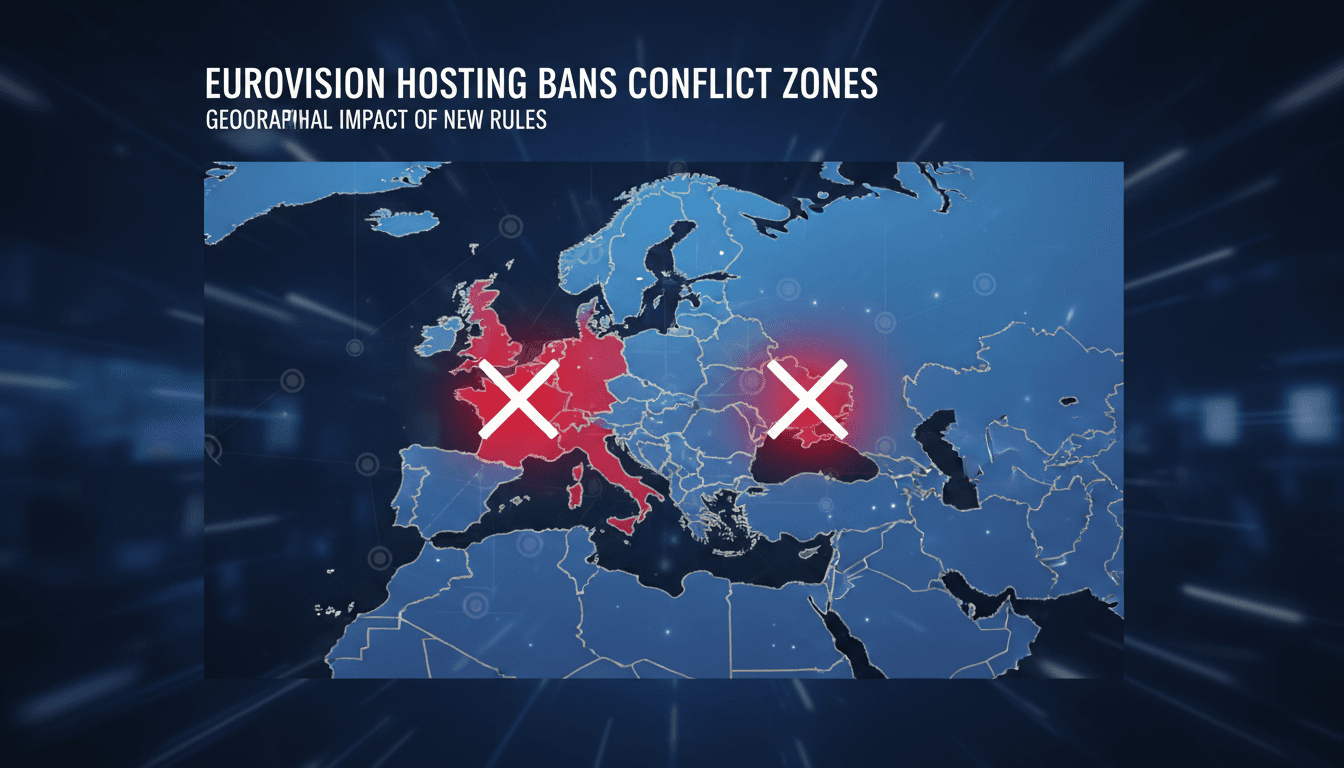
The Eurovision Song Contest has officially updated its rules to prevent countries involved in armed conflicts from hosting the event. This decision was announced on August 12, 2026, following an annual review by the European Broadcasting Union. The new regulations aim to enhance the safety of all participants and attendees amid rising geopolitical tensions.
Countries like Israel, which hosted the contest in 2019, are now affected by this rule. While these nations can still compete in the contest, they will no longer be eligible to host future events. This change is part of a broader initiative to address political motivations in voting procedures as well.
The Context
The decision to bar conflict-affected countries from hosting Eurovision comes at a time when international relations are increasingly complex. The European Broadcasting Union's annual review highlighted the need for safety and fairness in the contest, reflecting growing concerns over political influences. The timing of this announcement is crucial, as it aligns with ongoing discussions about the integrity of international competitions.
As Eurovision navigates these challenges, the implications for participating countries and the event's future are significant. The contest's ability to adapt to the current geopolitical landscape may influence how similar events are organized and perceived globally. Stakeholders must consider the potential impact on their own events and the broader entertainment landscape.
Takeaway
Looking ahead, the Eurovision Song Contest's new hosting rules may prompt reactions from countries affected by these changes. Observers should watch for potential pushback from nations that have previously hosted the event but are now barred. Additionally, updates on proposed changes to voting procedures will be critical in understanding how the contest aims to mitigate political motivations.
As Eurovision continues to evolve, its adaptations may reshape the future of international competitions. The ongoing dialogue surrounding safety, fairness, and political influences will likely remain at the forefront of discussions in the entertainment industry.
Breaking entertainment industry news, casting, and box office.
"Deadline delivers fast, authoritative entertainment industry coverage."
— A47 Editor
Eurovision Eyes Voting Changes & Blocks Countries In “Armed Conflict” Zones From Hosting Competition
The Eurovision Song Contest is set to implement changes aimed at preventing tactical voting and has announced that countries engaged in armed conflict will be disqualified from hosting the event. This decision follows a series of recent updates for t...
Arts, film, music, television, and cultural events.
"BBC News is widely regarded as a reputable international news organization, known for its impartial tone and public service mandate."
— A47 Editor
Eurovision proposes new rules to reduce political voting
The Eurovision Song Contest organizers have proposed new rules aimed at reducing politically motivated voting, which they describe as a persistent and deeply worrying issue. This initiative reflects ongoing concerns about the integrity of the contest...
Arts, film, music, pop culture, and global entertainment coverage.
"France 24 offers international arts and culture coverage with a European perspective."
— A47 Editor
Eurovision: Winners involved in 'armed conflict' now ineligible to host contest
The European Broadcasting Union announced on August 12 that countries involved in armed conflict or sensitive geopolitical situations will be ineligible to host the Eurovision Song Contest in the following year. This rule aims to ensure the safety of...
24/7 international news from a French perspective in multiple languages.
"France 24 is viewed as a globally focused outlet with balanced coverage and a European perspective."
— A47 Editor
Eurovision: Winners involved in 'armed conflict' now ineligible to host contest
The European Broadcasting Union announced on August 12 that countries involved in armed conflict or sensitive geopolitical situations will be ineligible to host the Eurovision Song Contest in the following year. This rule aims to ensure the safety of...
Global news coverage with extensive reporting on Middle Eastern conflicts and geopolitics.
"Al Jazeera is a Qatar-based broadcaster known for wide regional coverage and alternative perspectives."
— A47 Editor
Eurovision to bar countries at war from hosting: What that means
The Eurovision Song Contest has announced a new rule barring countries involved in armed conflict from hosting the event, a decision that affects Israel, which previously hosted in 2019. This change aims to create a safer environment for participants...
Comprehensive coverage of Middle Eastern and global issues.
"Al Jazeera is a prominent voice from the Global South, especially the Middle East, with an emphasis on underreported stories."
— A47 Editor
Eurovision to bar countries at war from hosting: What that means
The Eurovision Song Contest has announced a new rule barring countries involved in armed conflict from hosting the event, a decision that affects Israel, which previously hosted in 2019. This change aims to create a safer environment for participants...
UAE-based English-language newspaper covering regional politics, economics, and global affairs.
"The National reflects Emirati policy perspectives while maintaining international editorial standards."
— A47 Editor
Eurovision bars countries in 'armed conflict' from hosting song contest
The Eurovision Song Contest has announced a new rule that prohibits countries involved in armed conflict from hosting the event, a decision that directly impacts Israel, which previously hosted in 2019. This change aims to ensure a safer environment ...