
US-Iran conflict escalates with renewed military strikes and diplomatic deadlock
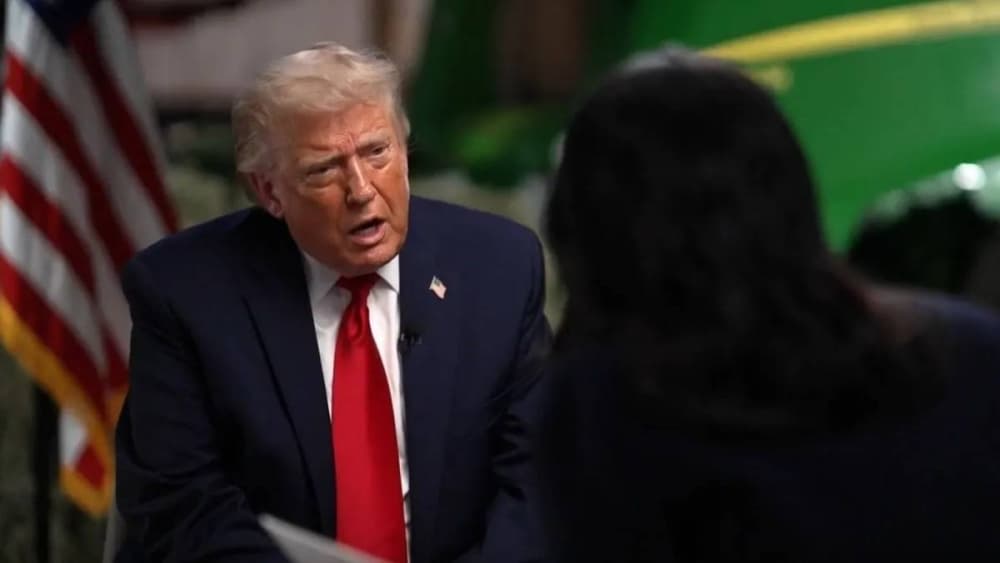
Here's what it means for you.
The recent escalation in the US-Iran conflict signals a precarious situation for regional stability and international markets. As military actions intensify, the potential for broader confrontation raises concerns for policymakers and investors alike. The ongoing diplomatic stalemate complicates efforts to achieve a lasting resolution, impacting global oil prices and security dynamics in the Middle East. The hardline stance from the US government, particularly under President Trump, further complicates the landscape, making negotiations increasingly difficult. Stakeholders must remain vigilant as developments unfold, as the implications of this conflict extend beyond the immediate region.
What happened
The US and Iran have engaged in a series of military exchanges, with the US launching airstrikes targeting approximately 20 Iranian sites. In retaliation, Iran has struck US military bases located in Bahrain, Kuwait, and Jordan. This cycle of violence has jeopardized a previously established ceasefire, which was already fragile.
The conflict initially began on February 28, 2026, following US-Israeli strikes on Iranian targets. Although a ceasefire was established in April, negotiations for a permanent resolution have since stalled, leading to renewed hostilities. The situation remains tense as both sides continue to exchange fire.
The Context
The US-Iran conflict has deep roots, with recent escalations reflecting a broader struggle for influence in the region. President Trump's aggressive rhetoric and military actions have underscored a significant shift in US policy towards Iran, complicating diplomatic efforts. The Iranian government has dismissed the ceasefire as "practically meaningless," indicating a lack of trust and willingness to negotiate.
The timeline of events highlights the rapid deterioration of relations, with the initial conflict igniting in February and the recent airstrikes occurring in June. As both sides remain entrenched in their positions, the potential for further military escalation looms large. This ongoing conflict not only affects the immediate stakeholders but also has far-reaching implications for global security and economic stability.
Takeaway
The outlook for US-Iran relations remains uncertain, with both sides showing little inclination to de-escalate. Observers should monitor developments in negotiations and any potential ceasefire agreements, as these could significantly impact regional stability. Additionally, reactions from US allies and the implications for oil prices will be critical to watch in the coming weeks.
As military actions continue, the risk of broader confrontation increases, raising alarms for policymakers and investors alike. The situation demands close attention as the dynamics evolve, with the potential for significant geopolitical ramifications.
Regional coverage and analysis focused on politics, diplomacy, and business across the Middle East.
"Al-Monitor is known for analytical reporting on Middle East politics and policy developments."
— A47 Editor
Iran warns Mideast truce 'practically meaningless' after US strikes
Iran has declared the ceasefire in the ongoing Middle East conflict as 'practically meaningless' following recent U.S. airstrikes, which were a response to the downing of an American helicopter by Iranian forces. The conflict, which began on February...
International coverage from The Guardian's global desks.
"The Guardian is known for its progressive editorial stance and in-depth analysis."
— A47 Editor
US and Iran exchange strikes for second day, as ceasefire appears close to collapse
The United States has intensified its military actions against Iran, launching airstrikes for a second consecutive day following President Donald Trump's warning that Tehran would face consequences for delays in negotiations. Iran retaliated by targe...
Coverage of political affairs and regional developments from a Saudi perspective.
"Al Watan political coverage typically follows a mainstream Saudi framing of regional and national issues."
— A47 Editor
بعد تبادل الهجمات ترمب يتوعد إيران بدفع الثمن
U.S. President Donald Trump stated that Iran has taken too long to negotiate an agreement and will have to 'pay the price' following a series of retaliatory attacks between the two nations. Iran launched missile and drone strikes on U.S. military bas...
Regional and international reporting focused on Middle Eastern politics, diplomacy, and economics.
"Asharq Al-Awsat is a Saudi-owned international newspaper reflecting mainstream Gulf political perspectives."
— A47 Editor
Trump Vows Attacks on Iran for ‘Playing’ the US over Peace Deal
President Donald Trump has vowed to take military action against Iran, accusing the nation of manipulating the United States during ongoing peace negotiations. This statement comes amid heightened tensions and a backdrop of recent military exchanges ...
Regional coverage and analysis focused on politics, diplomacy, and business across the Middle East.
"Al-Monitor is known for analytical reporting on Middle East politics and policy developments."
— A47 Editor
Trump says Iran 'taken too long to negotiate,' will have to 'pay the price'
U.S. President Donald Trump stated that Iran has taken too long to negotiate a deal regarding the ongoing conflict in the Middle East, asserting that the country will now 'have to pay the price.' This remark follows recent military exchanges between ...
Arabic-language coverage of political affairs and current events.
"Okaz political coverage typically follows mainstream Saudi framing on national and regional affairs."
— A47 Editor
طهران تعيد تقييم المفاوضات.. ومسؤول أمريكي: الاتفاق قريب
Despite recent strikes between Washington and Tehran raising concerns about a ceasefire collapse, a U.S. official stated that negotiations with Iran remain on track, suggesting that an agreement is close. The official emphasized that the situation ha...