
Putin and Kim reaffirm ties during Korea's Liberation Day celebrations
What happened
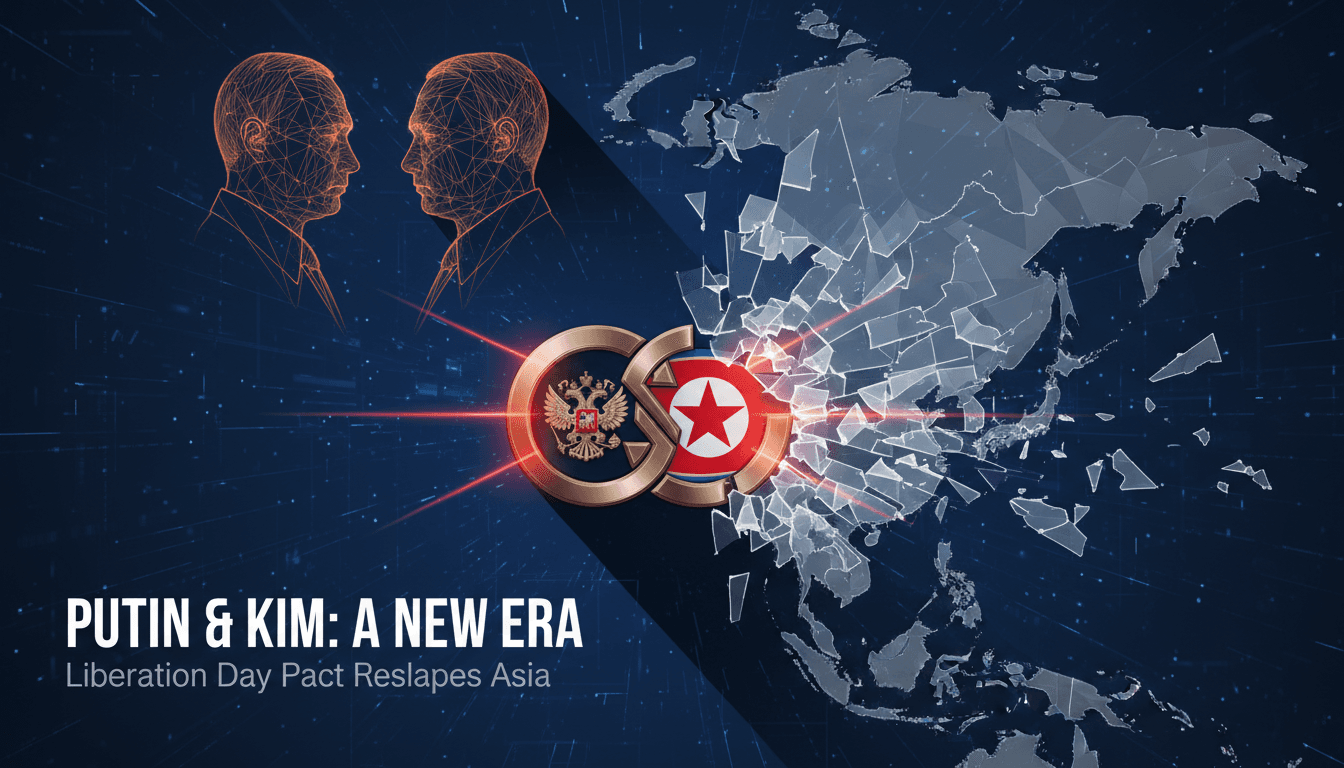
During the 81st anniversary of Korea's Liberation Day, Russian President Vladimir Putin and North Korean leader Kim Jong Un announced enhanced coordination on regional security. Putin emphasized the unprecedented level of cooperation between the two nations, highlighting their commitment to ensuring stability in the region. This announcement follows the signing of a comprehensive strategic partnership treaty in June 2024, which has significantly strengthened their ties.
The celebration of Korea's Liberation Day marks a historical moment, commemorating the end of Japanese colonial rule over Korea. This context adds depth to the leaders' statements, as they frame their partnership as a mutual effort to create a more equitable global order.
The Context
The relationship between Russia and North Korea has evolved significantly in recent years, driven by shared geopolitical interests. The strategic partnership treaty signed in June 2024 serves as a foundation for their growing collaboration, particularly in military and economic areas. As both nations face increasing pressure from Western powers, their alliance may serve as a counterbalance in the region.
Korea's Liberation Day is recognized not only in North Korea but also in South Korea, making the timing of this announcement particularly poignant. The reaffirmation of ties during such a significant national celebration underscores the importance of their partnership in the context of regional history and identity.
Takeaway
The deepening ties between Russia and North Korea are likely to influence regional dynamics and international relations moving forward. Observers should watch for potential military collaborations that may arise from this strengthened partnership. Additionally, responses from South Korea and the United States will be crucial in shaping the future of security in the region.
As these developments unfold, the implications for global power structures will be closely monitored, particularly by neighboring countries and international stakeholders. The evolving relationship between these two nations could have far-reaching consequences for regional stability.
Regional and international reporting focused on Middle Eastern politics, diplomacy, and economics.
"Asharq Al-Awsat is a Saudi-owned international newspaper reflecting mainstream Gulf political perspectives."
— A47 Editor
North Korea’s Kim, Russia’s Putin Reaffirm Ties on Korean Liberation Day
North Korean leader Kim Jong-un and Russian President Vladimir Putin reaffirmed their ties during a meeting on Korean Liberation Day, emphasizing the importance of their relationship amid ongoing geopolitical tensions. This meeting highlights the col...
English-language reporting on Saudi politics, policy, and society.
"Saudi Gazette reflects mainstream Saudi institutional perspectives."
— A47 Editor
Putin says Russia, North Korea coordinating efforts on regional security
Russian President Vladimir Putin announced that Russia and North Korea are enhancing their cooperation to ensure regional security and stability, marking a significant milestone in their bilateral relations. In a message to North Korean leader Kim Jo...
Macro commentary, policy analysis, growth/inflation themes, and global outlooks.
"Contextual macro coverage that complements day-to-day market headlines."
— A47 Editor
Putin says Russia, North Korea coordinating on regional security
Russian President Vladimir Putin announced that Russia and North Korea are coordinating efforts on regional security, highlighting a strategic partnership that may influence geopolitical dynamics in East Asia.