
Lake Powell Hits Record Low Water Level Amid Ongoing Colorado River Drought Crisis
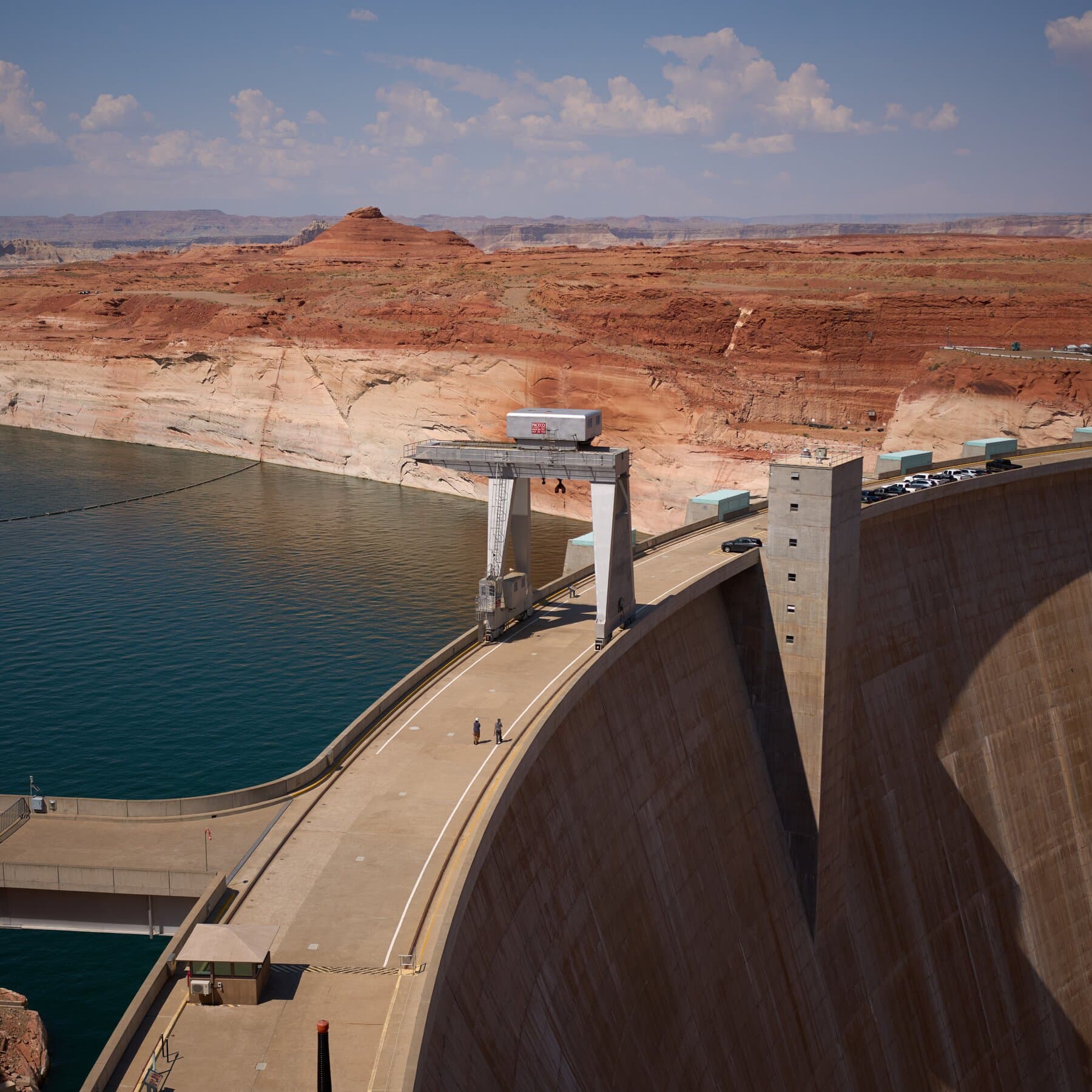
Why it matters
The record low water levels at Lake Powell signal a critical juncture for water management and energy production in a region heavily reliant on these resources.
What happened (in 30 seconds)
- Lake Powell reached a record low elevation of 3,519.91 feet on August 15, 2026, surpassing the previous low set in April 2023.
- Federal officials initiated emergency measures including water transfers from upstream reservoirs to mitigate the crisis.
- Combined storage in Lake Powell and Lake Mead is at its lowest since 1957, raising concerns about future water supply and hydropower generation.
The context you actually need
- The Colorado River Basin has faced severe drought for over three decades, the worst in at least 1,200 years, exacerbated by climate change.
- Lake Powell and Lake Mead's declining levels have been a result of historical over-allocation of water resources among seven states.
- Current water levels are approaching critical thresholds that could halt hydropower generation, affecting energy supply and costs.
What's really happening
On August 15, 2026, Lake Powell's water level fell to 3,519.91 feet, marking a significant milestone in the ongoing drought crisis affecting the Colorado River Basin. This record low follows a similar decline at Lake Mead just a week earlier, highlighting a troubling trend in water resource management. The U.S. Bureau of Reclamation has responded with emergency measures, including the transfer of up to 2.48 million acre-feet of water from Flaming Gorge Reservoir and a reduction in water releases from Lake Powell to Lake Mead.
The implications of these actions are profound. With Lake Powell now less than one-quarter full, it is approaching the 3,490-foot minimum power pool level, which would cease hydropower generation at Glen Canyon Dam. This situation not only threatens energy supply but also raises questions about the long-term viability of water resources in the region. The combined storage of Lake Powell and Lake Mead has not been this low since before Powell was filled in the 1960s, indicating a systemic failure in water management strategies that have historically favored over-allocation.
The ongoing drought, described by scientists as the worst in over a millennium, is driven by climate change and has led to a reevaluation of water rights and usage among the seven states that rely on the Colorado River. As federal and state officials issue voluntary conservation calls, the agricultural sector, urban water supplies in the Sun Belt, and regional hydropower are all at risk. The urgency of the situation has sparked discussions about long-term reforms in water allocation, as the current trajectory suggests that without significant changes, the region could face even more severe shortages.
Who feels it first (and how)
- Farmers: Increased water scarcity could lead to reduced irrigation, impacting crop yields and food supply.
- Urban residents: Cities in the Sun Belt may face water restrictions, affecting daily life and costs.
- Energy producers: Hydropower generation could decline, leading to higher energy prices and potential shortages.
- Environmental groups: Ecosystems dependent on river flows may suffer, prompting conservation efforts.
What to watch next
- Water conservation measures: Monitor the effectiveness of voluntary conservation calls and their impact on water levels.
- Policy reforms: Watch for discussions on long-term water allocation reforms among the seven states.
- Climate projections: Keep an eye on climate forecasts that could influence future drought conditions and water availability.
Lake Powell's water levels are at a record low, impacting hydropower and water supply.
Increased water conservation measures and policy discussions will emerge in response to the crisis.
The long-term effectiveness of emergency measures and their impact on regional water management.
Frequently Asked Questions
- Why it matters?
- The record low water levels at Lake Powell signal a critical juncture for water management and energy production in a region heavily reliant on these resources.
- What happened (in 30 seconds)?
- Lake Powell reached a record low elevation of 3,519.91 feet on August 15, 2026, surpassing the previous low set in April 2023. Federal officials initiated emergency measures including water transfers from upstream reservoirs to mitigate the crisis. Combined storage in Lake Powell and Lake Mead is at its lowest since 1957, raising concerns about future water supply and hydropower generation.
- What's really happening?
- On August 15, 2026, Lake Powell's water level fell to 3,519.91 feet, marking a significant milestone in the ongoing drought crisis affecting the Colorado River Basin. This record low follows a similar decline at Lake Mead just a week earlier, highlighting a troubling trend in water resource management. The U.S. Bureau of Reclamation has responded with emergency measures, including the transfer of up to 2.48 million acre-feet of water from Flaming Gorge Reservoir and a reduction in water releases
- Who feels it first (and how)?
- Farmers: Increased water scarcity could lead to reduced irrigation, impacting crop yields and food supply. Urban residents: Cities in the Sun Belt may face water restrictions, affecting daily life and costs. Energy producers: Hydropower generation could decline, leading to higher energy prices and potential shortages. Environmental groups: Ecosystems dependent on river flows may suffer, prompting conservation efforts.
- What to watch next?
- Water conservation measures: Monitor the effectiveness of voluntary conservation calls and their impact on water levels. Policy reforms: Watch for discussions on long-term water allocation reforms among the seven states. Climate projections: Keep an eye on climate forecasts that could influence future drought conditions and water availability.
Scientific research, space, environment, and health coverage.
"The New York Times is a globally recognized newspaper offering authoritative reporting with a center-left editorial stance."
— A47 Editor
Lake Powell Hits Lowest Level On Record As Water Crisis Continues
Lake Powell has reached its lowest recorded water level, a situation that has not been seen since 1957, highlighting a severe water crisis affecting seven states reliant on the Colorado River. The Glen Canyon Dam, located near Lake Powell in Arizona,...
Global business headlines with AI angles.
"General business outlet that frequently covers AI."
— A47 Editor
The Second Largest U.S. Reservoir Hits Lowest Level Ever. It Is Close To Not Being Able To Generate Power.
Lake Powell, the second largest reservoir in the United States and a key component of the Colorado River system, has reached an unprecedented low level of 3,519 feet. This decline raises concerns about its ability to generate hydroelectric power, whi...
Major U.S. developments and regional news.
"ABC News delivers broad national coverage with a mainstream editorial stance, focusing on accessibility and balanced reporting."
— A47 Editor
Lake Powell hits record low, threatening key water and electricity supply for millions
Lake Powell has reached a record low water level, marking a significant crisis along the Colorado River, which is crucial for water and electricity supply for millions. This alarming decline is attributed to prolonged drought conditions and poor snow...