
Iran's Control Over Strait of Hormuz Erodes as Shipping Routes Shift to Oman
Why it matters
This shift in maritime traffic reflects a significant geopolitical change that could reshape energy markets and regional stability.
What happened (in 30 seconds)
- Iran's grip weakened: Over 80% of liquids traffic has rerouted to Omani corridors or conducted dark transits, bypassing Iranian control.
- US naval support: Enhanced US naval patrols have facilitated this shift, allowing shipping companies to avoid Iranian oversight.
- Market volatility: Oil prices have spiked, affecting global markets and consumer costs, particularly in the UAE.
The context you actually need
- Historical tensions: The US-Iran conflict escalated in early 2026, leading to Iranian attempts to control shipping through permits and military threats.
- MOU expiration: A June 2026 memorandum of understanding temporarily eased tensions but expired in August, prompting the current shipping shift.
- Degraded Iranian capabilities: US operations have significantly weakened Iran's conventional naval forces, allowing for increased maritime freedom for commercial operators.
What's really happening
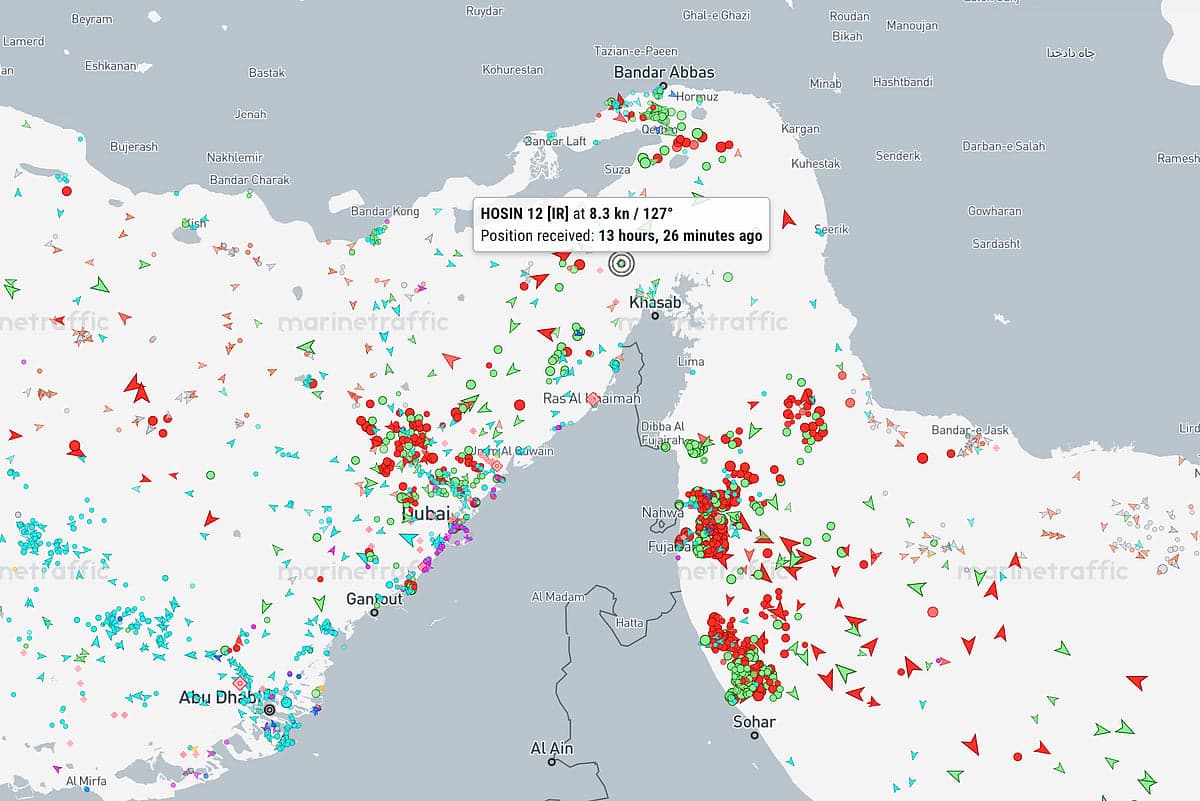
The Strait of Hormuz is a critical chokepoint for global oil transport, accounting for approximately 20% of seaborne oil. As of August 21, 2026, maritime data indicates a dramatic shift in shipping patterns, with over 80% of liquids traffic now utilizing the Omani corridor or engaging in dark transits. This change follows the expiration of a US-Iran memorandum of understanding (MOU) that had temporarily eased tensions and allowed for smoother shipping operations.
The MOU, which included a 60-day no-fee period for shipping, expired around August 17, 2026, amid disputes over its interpretation. In the weeks leading up to this expiration, Iranian attempts to enforce control through permits, fees, and military threats had already begun to backfire. The data from Kpler shows that virtually no traffic used the Omani route a month prior to the MOU's expiration, highlighting the rapid shift in commercial operators' strategies to avoid Iranian enforcement.
US naval patrols have played a crucial role in enabling this alternative routing, with claims of oil flows approaching 10-15 million barrels per day. Despite Iran's assertions of maintaining administrative rights over the Strait, the practical control has significantly diminished. Reports from various outlets, including CNN, indicate that Iran's conventional naval capabilities have been heavily degraded due to US operations, leaving it reliant on asymmetric tactics such as mines and drone strikes.
The implications of this shift are profound. With shipping companies now favoring the Omani route, the risk of attacks and high insurance costs associated with Iranian oversight have increased. This has led to market volatility, with oil prices spiking as Gulf states explore alternative pipelines and ship-to-ship transfers to mitigate risks. The ongoing discussions between Oman and Iran regarding new frameworks for maritime security will be critical in determining the future dynamics of this vital shipping corridor.
Who feels it first (and how)
- Shipping companies: They are adapting to new routes to avoid Iranian control, impacting operational costs and logistics.
- Oil consumers: Higher oil prices, currently at $93.75 per barrel, will affect fuel and import costs, particularly in the UAE.
- Regional economies: Gulf states may experience economic instability due to fluctuating oil prices and shipping risks.
What to watch next
- Shipping route trends: Monitor the percentage of traffic using Omani routes versus Iranian routes to gauge ongoing shifts in maritime strategy.
- Oil price fluctuations: Keep an eye on Brent crude prices as they may continue to rise due to increased shipping risks and geopolitical tensions.
- Iran-Oman negotiations: Watch for developments in talks between Iran and Oman, which could influence future maritime security frameworks.
Over 80% of liquids traffic is now using Omani routes or dark transits.
Oil prices will remain volatile as shipping companies adjust to new routes and geopolitical tensions persist.
The long-term impact of Iran's diminished control on regional stability and global oil markets.
Frequently Asked Questions
- Why it matters?
- This shift in maritime traffic reflects a significant geopolitical change that could reshape energy markets and regional stability.
- What happened (in 30 seconds)?
- Iran's grip weakened: Over 80% of liquids traffic has rerouted to Omani corridors or conducted dark transits, bypassing Iranian control. US naval support: Enhanced US naval patrols have facilitated this shift, allowing shipping companies to avoid Iranian oversight. Market volatility: Oil prices have spiked, affecting global markets and consumer costs, particularly in the UAE.
- What's really happening?
- The Strait of Hormuz is a critical chokepoint for global oil transport, accounting for approximately 20% of seaborne oil. As of August 21, 2026, maritime data indicates a dramatic shift in shipping patterns, with over 80% of liquids traffic now utilizing the Omani corridor or engaging in dark transits. This change follows the expiration of a US-Iran memorandum of understanding (MOU) that had temporarily eased tensions and allowed for smoother shipping operations. The MOU, which included a 60-da
- Who feels it first (and how)?
- Shipping companies: They are adapting to new routes to avoid Iranian control, impacting operational costs and logistics. Oil consumers: Higher oil prices, currently at $93.75 per barrel, will affect fuel and import costs, particularly in the UAE. Regional economies: Gulf states may experience economic instability due to fluctuating oil prices and shipping risks.
- What to watch next?
- Shipping route trends: Monitor the percentage of traffic using Omani routes versus Iranian routes to gauge ongoing shifts in maritime strategy. Oil price fluctuations: Keep an eye on Brent crude prices as they may continue to rise due to increased shipping risks and geopolitical tensions. Iran-Oman negotiations: Watch for developments in talks between Iran and Oman, which could influence future maritime security frameworks.
UAE-based newspaper covering Gulf politics, society, and international developments.
"Gulf News is one of the UAE’s most prominent English-language publications."
— A47 Editor
Is Iran losing its grip on the Strait of Hormuz?
Recent tensions in the Strait of Hormuz have raised questions about Iran's control over this critical maritime route, especially following the expiration of a Memorandum of Understanding with the United States. This situation has led to a significant...
A curated Gulf News feed featuring major stories across news, business, opinion, and lifestyle.
"Gulf News is a major UAE newspaper whose featured stories feed reflects a broad editorial mix shaped for a Gulf audience."
— A47 Editor
Is Iran losing its grip on the Strait of Hormuz?
Recent tensions in the Strait of Hormuz have raised questions about Iran's control over this critical maritime route, especially following the expiration of a Memorandum of Understanding with the United States. This situation has led to a significant...
English-language digital publication covering business, politics, technology, and current affairs.
"The Arabian Post mixes original and syndicated-style coverage with a broad regional and global business-news orientation."
— A47 Editor
Gulf states intensify push for Hormuz shipping deal
Gulf states are intensifying their efforts to negotiate a shipping deal aimed at resolving the deadlock with Iran and reopening the strategically vital Strait of Hormuz, a crucial maritime route for global oil shipments. This initiative is part of a ...
UAE-based English-language newspaper covering regional politics, economics, and global affairs.
"The National reflects Emirati policy perspectives while maintaining international editorial standards."
— A47 Editor
Gulf states push to break Iran deadlock and reopen Strait of Hormuz
Gulf states are intensifying efforts to negotiate a shipping deal aimed at breaking the deadlock with Iran and reopening the strategically vital Strait of Hormuz, a crucial maritime route for global oil shipments. This initiative comes amid rising te...
Conservative-leaning political and national coverage.
"The Washington Times is a conservative-leaning newspaper known for its political coverage and advocacy of right-of-center viewpoints."
— A47 Editor
The Fate of Hormuz: Iranian attacks force Gulf nations to find work-arounds to war-zone waterway
The ongoing crisis in the Strait of Hormuz has prompted Gulf nations to seek alternative routes for oil exports, as Iranian attacks have heightened tensions in this critical maritime passage. This shift aims to alleviate the global supply crunch whil...