
Increase in ship crossings through the Strait of Hormuz amid U.S.-Iran tensions
Here's what it means for you.
The recent increase in ship crossings through the Strait of Hormuz signals a slight recovery in maritime activity, though numbers remain below historical averages. This uptick occurs against a backdrop of stalled U.S.-Iran peace negotiations, which continue to create uncertainty in the region. Stakeholders in the shipping and commodities markets should remain vigilant as geopolitical developments could significantly impact transit patterns. As tensions persist, the shipping industry may face challenges in maintaining consistent operations in this critical corridor. The situation underscores the delicate balance between maritime trade and international diplomacy.
What happened
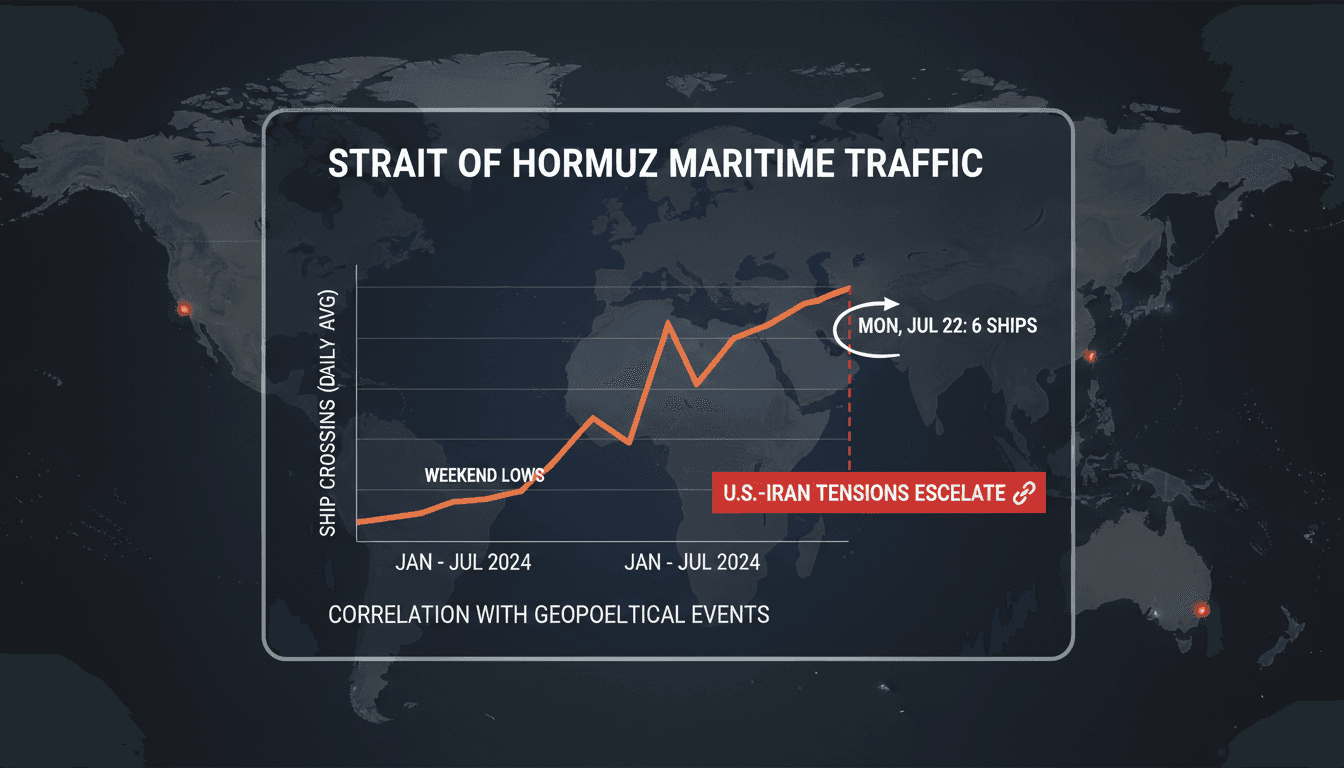
On Monday, six commodity ships crossed the Strait of Hormuz, marking a slight increase from the low numbers recorded over the weekend. Only three ships transited the strait on Saturday, followed by just two on Sunday. This uptick in crossings reflects a minor recovery in maritime activity within a vital shipping lane.
Despite this increase, the total number of crossings remains below the 10-day average of 11 vessels. The situation highlights the ongoing sensitivity of maritime operations to geopolitical tensions in the region.
The Context
The Strait of Hormuz is a crucial maritime route for global oil shipments, making it a focal point for international trade and security. The recent increase in ship crossings comes amid a stalemate in U.S.-Iran peace negotiations, which have significant implications for regional stability. The shipping industry is closely monitoring these developments, as any escalation in tensions could disrupt transit through this critical corridor.
Historically, the strait has seen fluctuating levels of maritime activity influenced by geopolitical factors. The current situation illustrates how diplomatic efforts—or the lack thereof—can directly affect shipping traffic and, by extension, global markets.
Takeaway
As diplomatic efforts between the U.S. and Iran remain stalled, future ship crossings through the Strait of Hormuz will likely depend on geopolitical developments. Stakeholders should keep an eye on ongoing negotiations, as any breakthroughs or setbacks could lead to significant changes in maritime security and shipping traffic.
The shipping industry will need to remain agile in response to evolving conditions in the region, as the implications of these tensions could ripple through global supply chains.
Pan-Arab political news and analysis.
"Al-Quds Al-Arabi is a London-based Arabic newspaper known for political coverage."
— A47 Editor
ارتفاع طفيف في عبور السفن من مضيق هرمز مقارنة بمطلع الأسبوع
Preliminary shipping data indicated a slight increase in the number of vessels crossing the Strait of Hormuz on Monday, with six ships carrying primary goods reported to have passed through, compared to the beginning of the week. This comes amid stal...
Regional and international reporting focused on Middle Eastern politics, diplomacy, and economics.
"Asharq Al-Awsat is a Saudi-owned international newspaper reflecting mainstream Gulf political perspectives."
— A47 Editor
Hormuz Crossings Rise Slightly from Weekend, Remain in Single Digits
Hormuz crossings have seen a slight increase from the weekend, although they remain in single digits, indicating a modest uptick in activity in this strategically significant region. The data reflects ongoing patterns in maritime movement through the...
Jordanian news and regional updates.
"Roya News is a Jordanian outlet focused on breaking news and local affairs."
— A47 Editor
عبور 6 سفن عبر مضيق هرمز ومخاوف الشحن تبطئ حركة الناقلات العالمية
On Monday, the movement of shipping through the Strait of Hormuz saw a slight increase, with six vessels reported to have crossed the strait. This uptick comes amid ongoing concerns regarding shipping safety in the region, which has been a focal poin...
Regional coverage and analysis focused on politics, diplomacy, and business across the Middle East.
"Al-Monitor is known for analytical reporting on Middle East politics and policy developments."
— A47 Editor
Hormuz crossings rise slightly from weekend, remain in single digits, data shows
Ship crossings through the Strait of Hormuz have seen a slight increase, with six vessels transiting the waterway on Monday, up from three on Saturday and two on Sunday. However, this remains below the 10-day average of 11 ships, reflecting ongoing t...