
UK and Google Initiate Operation Blue Skies to Mitigate Aviation Contrails
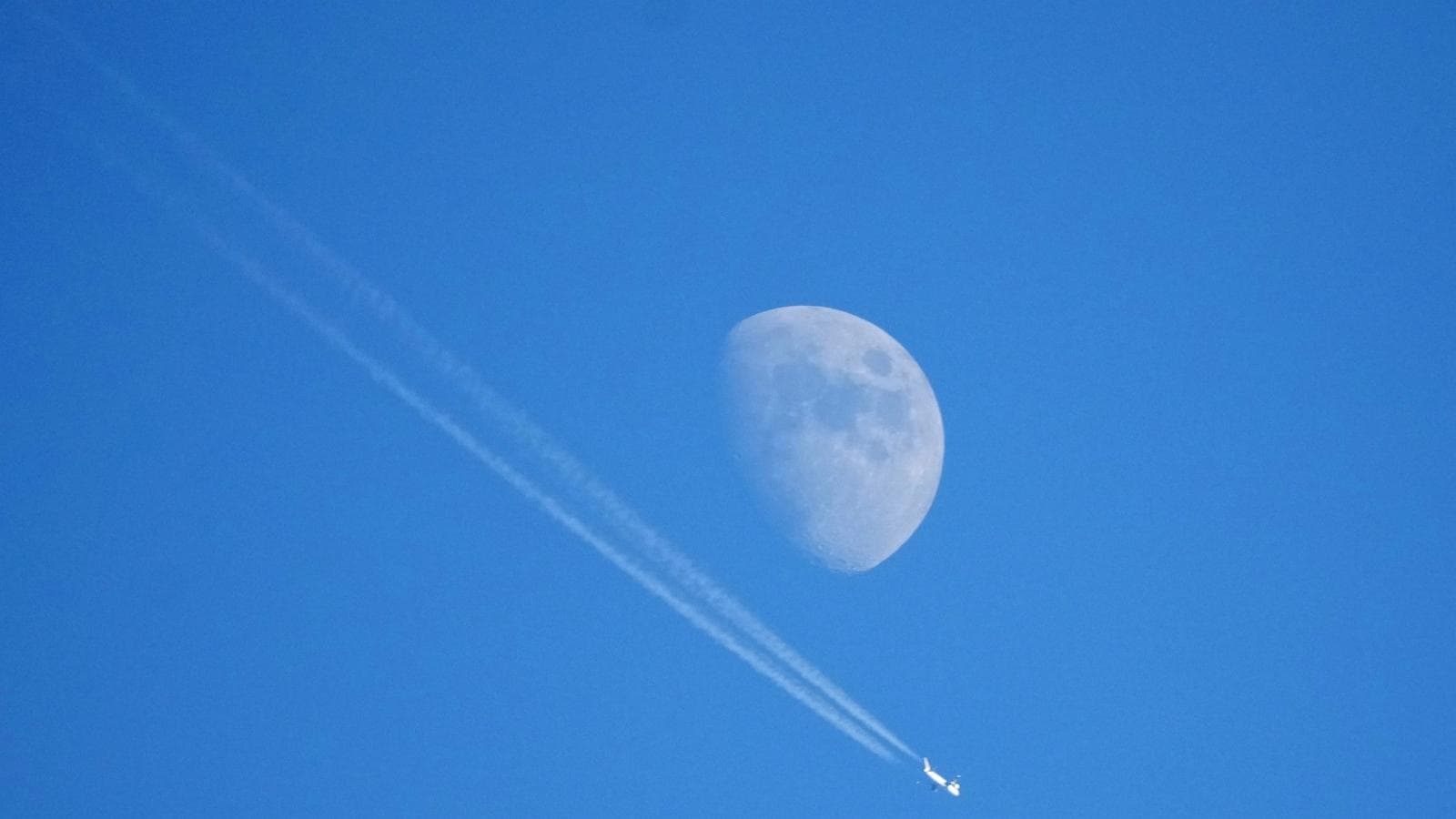
Here's what it means for you.
If you travel frequently across the North Atlantic, your flight path may soon be adjusted to help combat climate change.
Why it matters
This initiative represents a significant step in addressing aviation's climate impact, particularly through contrail formation.
What happened (in 30 seconds)
- On August 18, 2026, the UK government and Google launched Operation Blue Skies to test flight path adjustments aimed at reducing contrail formation.
- The trial will run for 30 months, involving hundreds of commercial flights altering altitudes by up to 2,000 feet in the Shanwick Oceanic Control Area.
- The program aims to demonstrate scalable solutions for mitigating aviation's non-CO2 climate impacts using AI-driven forecasting and coordinated air traffic management.
The context you actually need
- Contrails contribute significantly to climate change, accounting for 1-2% of Earth's total warming, as they trap heat in the atmosphere.
- Previous studies have shown that minor altitude adjustments can lead to substantial reductions in contrail formation, particularly in high-traffic areas like the North Atlantic.
- Operation Blue Skies builds on earlier trials, expanding from individual airline experiments to a coordinated effort involving multiple stakeholders, including government and academic institutions.
What's really happening
Operation Blue Skies is a collaborative effort between the UK government and Google, aimed at addressing the environmental impact of aviation through innovative air traffic management. The initiative is set against the backdrop of increasing scrutiny on the aviation sector's contribution to climate change, particularly through persistent contrails that form under specific atmospheric conditions.
Contrails, which are ice crystals formed from aircraft exhaust, can trap heat and contribute to climate forcing beyond CO2 emissions. A study from Imperial College London highlighted that even small altitude changes could significantly reduce contrail impacts. This finding has prompted the UK government to explore broader applications of these insights, leading to the launch of Operation Blue Skies.
The program is structured as a 30-month trial, with a budget of £5 million, partially funded by the UK government (£2.65 million) and supported by Google’s in-kind contributions (£1.4 million). The operational testing will occur during the winters of 2026-2027 and 2027-2028, focusing on lower traffic periods to minimize disruption. The goal is to adjust the altitudes of 1-5% of the approximately 10,000 flights that traverse the Shanwick Oceanic Control Area, a major transatlantic corridor known for high contrail formation rates.
Air traffic controllers will implement minor deviations in flight paths based on AI predictions from Google and data from the Met Office. This coordinated approach aims to evaluate the safety and feasibility of these adjustments while measuring their effectiveness in reducing contrail formation at scale. The trial is significant not only for its potential environmental benefits but also for establishing a replicable model that could be applied to other regions facing similar challenges.
The partnership has garnered positive reactions from stakeholders, with the UK Department for Transport emphasizing its role in advancing practical decarbonization solutions. Google has framed contrail avoidance as an urgent challenge, positioning this trial as a pioneering effort in state-backed oceanic airspace management. Academic partners from Imperial College and Cambridge have noted the unprecedented scale of this real-world trial, which could set a precedent for future initiatives aimed at mitigating aviation's climate impact.
Who feels it first (and how)
- Airlines: May need to adjust flight schedules and operations based on new altitude protocols.
- Passengers: Travelers could experience minor changes in flight paths and durations.
- Environmental groups: Will monitor the trial's outcomes for implications on climate policy.
- Air traffic controllers: Will implement new protocols based on AI-driven data and forecasts.
What to watch next
- Trial results: Monitor the effectiveness of altitude adjustments in reducing contrail formation and their impact on climate metrics.
- Stakeholder engagement: Watch for reactions from airlines and environmental organizations regarding the trial's outcomes and potential scalability.
- Regulatory developments: Keep an eye on any policy changes that may arise from the trial's findings, particularly in aviation and climate legislation.
The trial aims to reduce contrail formation through altitude adjustments.
If successful, this model could be replicated in other high-traffic air corridors globally.
The long-term regulatory implications and market shifts resulting from the trial's outcomes.
Frequently Asked Questions
- Why it matters?
- This initiative represents a significant step in addressing aviation's climate impact, particularly through contrail formation.
- What happened (in 30 seconds)?
- On August 18, 2026, the UK government and Google launched Operation Blue Skies to test flight path adjustments aimed at reducing contrail formation. The trial will run for 30 months, involving hundreds of commercial flights altering altitudes by up to 2,000 feet in the Shanwick Oceanic Control Area. The program aims to demonstrate scalable solutions for mitigating aviation's non-CO2 climate impacts using AI-driven forecasting and coordinated air traffic management.
- What's really happening?
- Operation Blue Skies is a collaborative effort between the UK government and Google, aimed at addressing the environmental impact of aviation through innovative air traffic management. The initiative is set against the backdrop of increasing scrutiny on the aviation sector's contribution to climate change, particularly through persistent contrails that form under specific atmospheric conditions. Contrails, which are ice crystals formed from aircraft exhaust, can trap heat and contribute to cli
- Who feels it first (and how)?
- Airlines: May need to adjust flight schedules and operations based on new altitude protocols. Passengers: Travelers could experience minor changes in flight paths and durations. Environmental groups: Will monitor the trial's outcomes for implications on climate policy. Air traffic controllers: Will implement new protocols based on AI-driven data and forecasts.
- What to watch next?
- Trial results: Monitor the effectiveness of altitude adjustments in reducing contrail formation and their impact on climate metrics. Stakeholder engagement: Watch for reactions from airlines and environmental organizations regarding the trial's outcomes and potential scalability. Regulatory developments: Keep an eye on any policy changes that may arise from the trial's findings, particularly in aviation and climate legislation.
Corporate leadership, finance, technology, and market trends.
"Fortune covers financial trends, leadership, and innovation with a pragmatic editorial approach."
— A47 Editor
Google and the UK think changing flights paths could cut down on climate change
A 30-month trial, backed by Google and the UK government, will redirect hundreds of flights over the Atlantic to assess whether altering flight paths can mitigate the formation of contrails, which are known to contribute to climate change. The projec...
Consumer technology news with AI coverage.
"Gadget and tech site reporting on AI in products."
— A47 Editor
Google is trying to solve contrails with AI
Google, in collaboration with the UK government, has launched Operation Blue Skies, an initiative aimed at rerouting flights to minimize contrail formation. This project will involve adjusting the flight paths of hundreds of commercial flights over t...
Covers consumer technology, electronics, gadgets, and product reviews.
"Engadget is a trusted source for gadget reviews and consumer tech news, known for its hands-on analysis and industry coverage."
— A47 Editor
Google is trying to solve contrails with AI
Google, in collaboration with the UK government, has launched Operation Blue Skies, an initiative aimed at rerouting flights to minimize contrail formation. This project will involve adjusting the flight paths of hundreds of commercial flights over t...
International news coverage curated for readers in the UAE and Gulf region.
"Emirates 24|7 world coverage presents global developments through a UAE-facing and Gulf-relevant editorial lens."
— A47 Editor
The UK and Google are testing changes to flight paths to tackle aviation's climate impact
The UK government and Google have initiated a trial to alter flight paths over the northeastern Atlantic Ocean, aiming to reduce the climate impact of aviation by minimizing contrail formation. This 30-month research program, named Operation Blue Ski...
Technology innovations, startups, and trends.
"ABC News delivers broad national coverage with a mainstream editorial stance, focusing on accessibility and balanced reporting."
— A47 Editor
The UK and Google test changes to flight paths to tackle aviation's climate impact
The UK and Google are collaborating to test changes to flight paths over the northeastern Atlantic Ocean, with hundreds of commercial flights expected to adjust their routes during the next two winters. This initiative aims to demonstrate how minor a...
Curated tech headlines including AI stories.
"Influential aggregator surfacing the day’s top tech/AI links."
— A47 Editor
Google unveils Operation Blue Skies, a £5M trial to re-route North Atlantic aircraft to reduce contrail-induced warming using Google's AI atmospheric forecasts (Madeleine Cuff/New Scientist)
<A HREF="https://www.newscientist.com/article/2585091-planes-flying-over-the-atlantic-will-be-re-routed-to-avoid-contrails/"><IMG VSPACE="4" HSPACE="4" BORDER="0" ALIGN="RIGHT" SRC="http://www.techmeme.com/260818/i6.jpg"></A> <P><A HREF="https://www....