
US Implements Historic Sanctions Threats Against Iran and Hezbollah Amid Ongoing Conflict
Here's what it means for you.
If you rely on stable energy prices or international trade, the US's intensified sanctions on Iran could directly impact your costs and market dynamics.
Why it matters
The US's renewed sanctions threaten to disrupt global oil markets, affecting prices and availability for consumers and businesses worldwide.
What happened (in 30 seconds)
- On August 21, 2026, the US announced its intention to implement the "toughest sanctions in history" against Iran, targeting its economy and oil revenues.
- Hezbollah was designated as an Iranian proxy, with expanded sanctions aimed at its financing networks, further complicating regional stability.
- China rejected the sanctions, advocating for diplomatic dialogue instead, signaling potential fractures in international alliances.
The context you actually need
- The US-Israel-Iran conflict has been ongoing for nearly six months, marked by military actions and economic pressures aimed at Iran's nuclear capabilities and regional influence.
- Iran's economy has been heavily reliant on oil exports, with over 80% of its shipped oil going to China, making it vulnerable to sanctions that target this revenue stream.
- Previous sanctions under the Trump administration have already strained Iran's economy, but the current escalation aims to apply unprecedented pressure without immediate military confrontation.
What's really happening
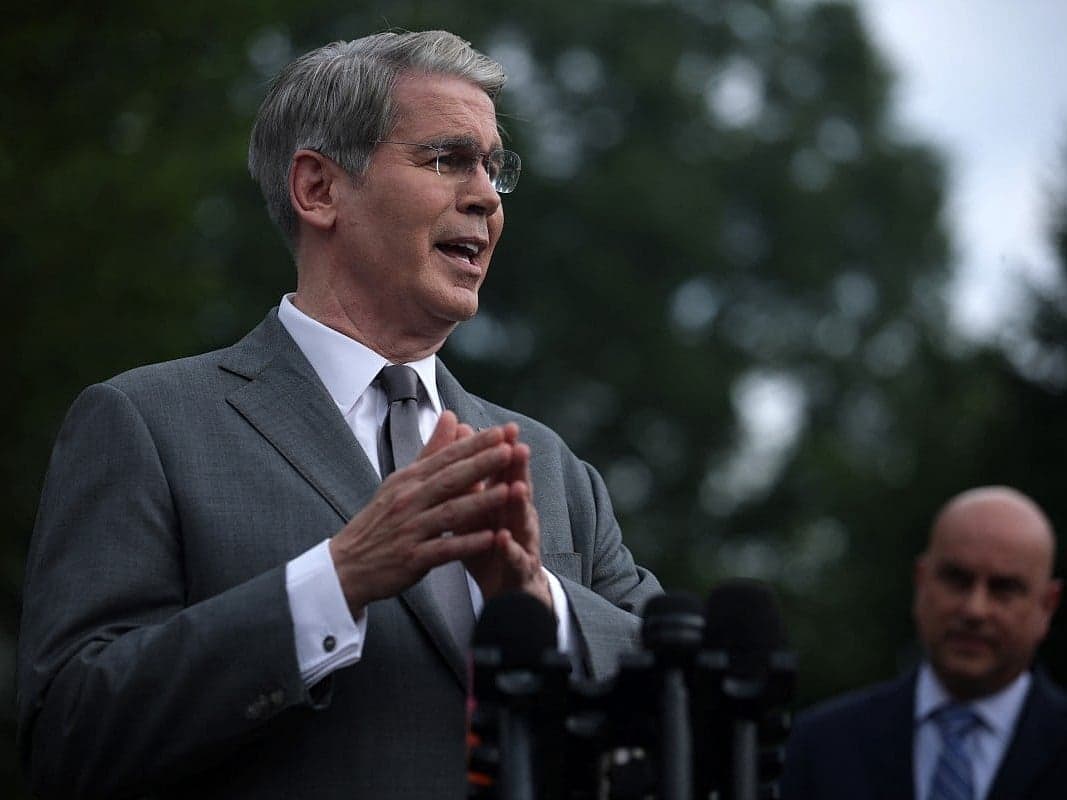
The US's latest sanctions against Iran represent a strategic pivot in its foreign policy, aiming to leverage economic isolation as a means to achieve diplomatic concessions. President Trump and Treasury Secretary Scott Bessent have framed this approach as a "one-two punch," combining a naval blockade with stringent sanctions to collapse the Iranian regime's financial capabilities. This escalation comes amid a backdrop of heightened military tensions, including strikes on Iranian nuclear sites and disruptions in the Strait of Hormuz, a critical chokepoint for global oil shipments.
The US's strategy hinges on the assumption that crippling Iran's economy will force it to the negotiating table, particularly regarding its nuclear program and support for proxy groups like Hezbollah. However, Iran's leadership has dismissed these threats as ineffective, labeling them as "recycled failures." This dismissal reflects a broader narrative within Iran that positions the country as resilient against external pressures, potentially emboldening its regional activities.
China's response is particularly noteworthy, as it has emerged as a key ally for Iran, purchasing a significant portion of its oil exports. By rejecting the US's sanctions and advocating for dialogue, China is not only protecting its economic interests but also signaling its intent to challenge US unilateralism in international affairs. This dynamic complicates the US's strategy, as it relies on global cooperation to effectively isolate Iran economically.
The implications of these sanctions extend beyond Iran and the US. Elevated oil prices, currently near $93.55 per barrel, and rising gold prices reflect the market's response to increased geopolitical tensions. For Dubai and the broader Gulf region, these fluctuations can impact everything from consumer prices to investment strategies, as businesses navigate the uncertainties of energy costs and supply chain disruptions.
As the situation evolves, the potential for further military engagement remains a concern, particularly if Iran perceives the sanctions as an existential threat. The ongoing discussions between Oman and Iran regarding navigation in the Strait of Hormuz highlight the delicate balance of power in the region, where economic and military strategies intersect.
Who feels it first (and how)
- Energy sector professionals: Fluctuating oil prices can directly affect profitability and operational costs.
- International traders: Increased shipping costs and potential disruptions in the Strait of Hormuz could impact trade routes and logistics.
- Consumers: Rising energy prices may lead to higher costs for goods and services, affecting household budgets.
- Investors: Market volatility in commodities like oil and gold can influence investment strategies and risk assessments.
What to watch next
- Oil price trends: Monitor fluctuations in oil prices as sanctions take effect, which could signal broader economic impacts.
- China's diplomatic moves: Watch for China's engagement with Iran and its response to US sanctions, as this could reshape regional alliances.
- Iran's military responses: Keep an eye on any escalations in military actions from Iran, particularly in the Strait of Hormuz, which could disrupt global shipping.
The US has implemented new sanctions targeting Iran and Hezbollah.
Oil prices will continue to fluctuate as markets react to geopolitical tensions.
The long-term effectiveness of these sanctions in achieving US diplomatic goals remains uncertain.
Frequently Asked Questions
- Why it matters?
- The US's renewed sanctions threaten to disrupt global oil markets, affecting prices and availability for consumers and businesses worldwide.
- What happened (in 30 seconds)?
- On August 21, 2026, the US announced its intention to implement the "toughest sanctions in history" against Iran, targeting its economy and oil revenues. Hezbollah was designated as an Iranian proxy, with expanded sanctions aimed at its financing networks, further complicating regional stability. China rejected the sanctions, advocating for diplomatic dialogue instead, signaling potential fractures in international alliances.
- What's really happening?
- The US's latest sanctions against Iran represent a strategic pivot in its foreign policy, aiming to leverage economic isolation as a means to achieve diplomatic concessions. President Trump and Treasury Secretary Scott Bessent have framed this approach as a "one-two punch," combining a naval blockade with stringent sanctions to collapse the Iranian regime's financial capabilities. This escalation comes amid a backdrop of heightened military tensions, including strikes on Iranian nuclear sites an
- Who feels it first (and how)?
- Energy sector professionals: Fluctuating oil prices can directly affect profitability and operational costs. International traders: Increased shipping costs and potential disruptions in the Strait of Hormuz could impact trade routes and logistics. Consumers: Rising energy prices may lead to higher costs for goods and services, affecting household budgets. Investors: Market volatility in commodities like oil and gold can influence investment strategies and risk assessments.
- What to watch next?
- Oil price trends: Monitor fluctuations in oil prices as sanctions take effect, which could signal broader economic impacts. China's diplomatic moves: Watch for China's engagement with Iran and its response to US sanctions, as this could reshape regional alliances. Iran's military responses: Keep an eye on any escalations in military actions from Iran, particularly in the Strait of Hormuz, which could disrupt global shipping.
Macro commentary, policy analysis, growth/inflation themes, and global outlooks.
"Contextual macro coverage that complements day-to-day market headlines."
— A47 Editor
Iran pledges "devastating" response as U.S. warns of "tough" economic sanctions
Iran has vowed to deliver a 'devastating' response following the U.S. announcement of its intention to impose the 'toughest sanctions in history' on the nation. This escalation in rhetoric comes amid rising geopolitical tensions and concerns over Ira...
A curated Gulf News feed featuring major stories across news, business, opinion, and lifestyle.
"Gulf News is a major UAE newspaper whose featured stories feed reflects a broad editorial mix shaped for a Gulf audience."
— A47 Editor
US vows toughest Iran pressure, urges China support; sanctions Hezbollah
The United States has announced plans to impose the toughest sanctions in history on Iran, with Treasury Secretary Scott Bessent urging China to support these measures. This decision comes amid escalating tensions and aims to isolate Iran economicall...
UAE-based newspaper covering Gulf politics, society, and international developments.
"Gulf News is one of the UAE’s most prominent English-language publications."
— A47 Editor
US vows toughest Iran pressure, urges China support; sanctions Hezbollah
The United States has announced plans to impose the toughest sanctions in history on Iran, with Treasury Secretary Scott Bessent urging China to support these measures. This decision comes amid escalating tensions and aims to isolate Iran economicall...
Regional coverage and analysis focused on politics, diplomacy, and business across the Middle East.
"Al-Monitor is known for analytical reporting on Middle East politics and policy developments."
— A47 Editor
US says it will impose 'toughest sanctions in history' on Iran
The United States, through Treasury Secretary Scott Bessent, has announced plans to impose what it describes as the 'toughest sanctions in history' on Iran, a move intended to reduce the necessity for military action. This announcement follows Presid...
Comprehensive coverage of Middle Eastern and global issues.
"Al Jazeera is a prominent voice from the Global South, especially the Middle East, with an emphasis on underreported stories."
— A47 Editor
Iran war live: US vows toughest Iran sanctions, urges China support
The U.S. Treasury Secretary Scott Bessent has announced a new round of economic sanctions aimed at collapsing Iran's economy, emphasizing the need for support from China in these efforts. This announcement comes amid escalating military tensions and ...
Global news coverage with extensive reporting on Middle Eastern conflicts and geopolitics.
"Al Jazeera is a Qatar-based broadcaster known for wide regional coverage and alternative perspectives."
— A47 Editor
Iran war live: US vows toughest Iran sanctions, urges China support
The U.S. Treasury Secretary Scott Bessent has announced a new round of economic sanctions aimed at collapsing Iran's economy, emphasizing the need for support from China in these efforts. This announcement comes amid escalating military tensions and ...
Business and economy coverage focused on Dubai, the UAE, Saudi Arabia, and the wider Middle East.
"Arabian Business is a well-known regional business outlet with strong focus on Gulf markets, leadership, and investment stories."
— A47 Editor
US vows ‘toughest sanctions in history’ on Iran as Trump threatens countries providing lifeline
The United States, through Treasury Secretary Scott Bessent, has announced plans to impose what it describes as the 'toughest sanctions in history' on Iran, following President Donald Trump's threats against countries that provide support to Tehran. ...
English-language news from Qatar covering domestic and regional affairs.
"Gulf Times reflects Qatari perspectives on regional developments."
— A47 Editor
US set to impose ‘toughest sanctions in history’ on Iran
The United States is set to impose what Treasury Secretary Scott Bessent describes as 'the toughest sanctions in history' on Iran, emphasizing a strategy focused on economic measures rather than military action. This announcement comes amid rising te...
UAE-based English-language newspaper covering regional politics, economics, and global affairs.
"The National reflects Emirati policy perspectives while maintaining international editorial standards."
— A47 Editor
Bessent vows to isolate Iran's economy as US increases pressure on allies
U.S. Treasury Secretary Scott Bessent has announced a strategy to isolate Iran's economy through the imposition of what he describes as the 'toughest sanctions in history.' This move is part of a broader effort by the United States to exert economic ...
Regional coverage and analysis focused on politics, diplomacy, and business across the Middle East.
"Al-Monitor is known for analytical reporting on Middle East politics and policy developments."
— A47 Editor
Bessent says US to impose 'toughest' ever sanctions on Iran, urges China to cooperate
U.S. Treasury Secretary Scott Bessent announced on August 20 that the United States will impose the toughest sanctions in history on Iran, urging China to cooperate in these efforts. Bessent described the sanctions as part of a strategy to collapse t...