
Panama Canal Authority Announces Reduction in Vessel Transits Due to El Niño Drought
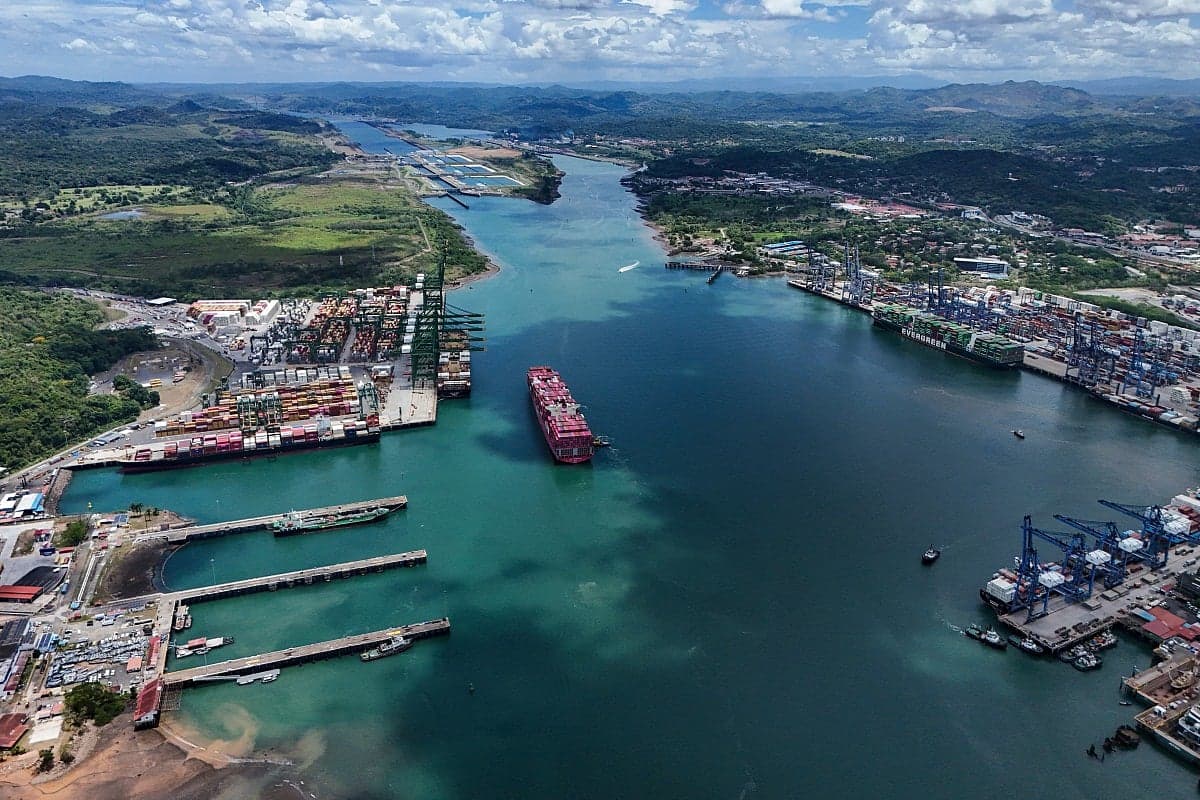
Here's what it means for you.
If you rely on global shipping routes, expect potential delays and increased costs.
Why it matters
The Panama Canal is a critical artery for global trade, and any disruption can ripple through supply chains worldwide.
What happened (in 30 seconds)
- On August 21, 2026, the Panama Canal Authority announced a reduction in daily vessel transits from 36 to 34 ships starting September 3, with a further cut to 32 from September 15.
- This decision is a response to severe drought conditions exacerbated by the El Niño phenomenon, which has led to low water levels in the canal's artificial lakes.
- Honduras has placed 80% of its territory under drought alert, indicating widespread regional impacts.
The context you actually need
- The Panama Canal handles approximately 5% of global maritime trade and 40% of U.S. container traffic, making it vital for international shipping.
- El Niño, a climate pattern that alters global weather, is intensifying and projected to be one of the strongest on record, affecting rainfall and water supply.
- Previous disruptions in 2023 due to drought have already highlighted the canal's vulnerability to climate variability, raising concerns about future operations.
What's really happening
The Panama Canal Authority's decision to reduce vessel transits is a direct response to alarming water levels in the Gatun and Alajuela lakes, which are crucial for the canal's operations. The current drought has led to a staggering 44% drop in water inflows to the watershed, significantly impacting the canal's ability to function at full capacity.
This situation is not merely a local issue; it has global ramifications. The canal serves as a key transit point for goods moving between the Atlantic and Pacific Oceans, and any limitations on its capacity can lead to increased shipping times and costs. The strategic waterway's reliance on rainwater makes it particularly susceptible to climate phenomena like El Niño, which is known for altering weather patterns and causing prolonged dry spells.
As the drought worsens, the Panama Canal Authority has implemented additional measures, such as reducing the maximum draft for larger vessels to conserve water. This means that ships may need to be lighter, potentially impacting the volume of goods they can carry. The Authority is also monitoring the situation closely, with sustainability measures in place to mitigate further impacts from the ongoing El Niño event, which is expected to continue through 2027.
The implications of these transit reductions extend beyond immediate shipping concerns. Global freight rates are likely to rise as shipping operators adjust to the new limits, and some may even reroute vessels to avoid the canal altogether. This could lead to longer delivery times and increased costs for businesses and consumers alike, particularly in regions heavily reliant on imports, such as the UAE.
Who feels it first (and how)
- Shipping companies: Facing increased operational costs and potential rerouting.
- Import-dependent businesses: Particularly those in the UAE, which may see higher prices and delays.
- Consumers: Likely to experience increased prices for goods due to elevated shipping costs.
- Agricultural sectors: In Central America, particularly Honduras, facing drought alerts and potential crop impacts.
What to watch next
- Freight rate trends: Monitor how shipping costs evolve in response to the canal's capacity reductions, as this will directly affect global trade.
- El Niño developments: Keep an eye on weather forecasts and climate reports to understand how the ongoing El Niño may further impact water levels and shipping operations.
- Sustainability measures: Watch for any new protocols or technologies the Panama Canal Authority may implement to enhance water conservation and operational efficiency.
The Panama Canal is reducing daily vessel transits due to drought conditions.
Global freight rates will increase, and shipping times will extend as a result of these restrictions.
The long-term impact of El Niño on the canal's operations and global shipping patterns remains uncertain.
Frequently Asked Questions
- Why it matters?
- The Panama Canal is a critical artery for global trade, and any disruption can ripple through supply chains worldwide.
- What happened (in 30 seconds)?
- On August 21, 2026, the Panama Canal Authority announced a reduction in daily vessel transits from 36 to 34 ships starting September 3, with a further cut to 32 from September 15. This decision is a response to severe drought conditions exacerbated by the El Niño phenomenon, which has led to low water levels in the canal's artificial lakes. Honduras has placed 80% of its territory under drought alert, indicating widespread regional impacts.
- What's really happening?
- The Panama Canal Authority's decision to reduce vessel transits is a direct response to alarming water levels in the Gatun and Alajuela lakes, which are crucial for the canal's operations. The current drought has led to a staggering 44% drop in water inflows to the watershed, significantly impacting the canal's ability to function at full capacity. This situation is not merely a local issue; it has global ramifications. The canal serves as a key transit point for goods moving between the Atlan
- Who feels it first (and how)?
- Shipping companies: Facing increased operational costs and potential rerouting. Import-dependent businesses: Particularly those in the UAE, which may see higher prices and delays. Consumers: Likely to experience increased prices for goods due to elevated shipping costs. Agricultural sectors: In Central America, particularly Honduras, facing drought alerts and potential crop impacts.
- What to watch next?
- Freight rate trends: Monitor how shipping costs evolve in response to the canal's capacity reductions, as this will directly affect global trade. El Niño developments: Keep an eye on weather forecasts and climate reports to understand how the ongoing El Niño may further impact water levels and shipping operations. Sustainability measures: Watch for any new protocols or technologies the Panama Canal Authority may implement to enhance water conservation and operational efficiency.
Global news coverage with extensive reporting on Middle Eastern conflicts and geopolitics.
"Al Jazeera is a Qatar-based broadcaster known for wide regional coverage and alternative perspectives."
— A47 Editor
Panama Canal to limit shipping ahead of extreme weather during El Nino
The Panama Canal has announced a limit on daily vessel transits due to the anticipated impacts of the El Niño weather phenomenon, which is expected to cause drought and increased heat in the region. Starting September 4, the canal will cap daily tran...
Comprehensive coverage of Middle Eastern and global issues.
"Al Jazeera is a prominent voice from the Global South, especially the Middle East, with an emphasis on underreported stories."
— A47 Editor
Panama Canal to limit shipping ahead of extreme weather during El Nino
The Panama Canal has announced a limit on daily vessel transits due to the anticipated impacts of the El Niño weather phenomenon, which is expected to cause drought and increased heat in the region. Starting September 4, the canal will cap daily tran...
UAE-based newspaper covering Gulf politics, society, and international developments.
"Gulf News is one of the UAE’s most prominent English-language publications."
— A47 Editor
Panama Canal to reduce shipping over El Nino-fueled drought
The Panama Canal operator has announced a reduction in shipping traffic due to a drought exacerbated by the El Niño phenomenon, which is expected to have significant impacts on global shipping routes. This decision reflects the ongoing challenges fac...
A curated Gulf News feed featuring major stories across news, business, opinion, and lifestyle.
"Gulf News is a major UAE newspaper whose featured stories feed reflects a broad editorial mix shaped for a Gulf audience."
— A47 Editor
Panama Canal to reduce shipping over El Nino-fueled drought
The Panama Canal operator has announced a reduction in shipping traffic due to a drought exacerbated by the El Niño phenomenon, which is expected to have significant impacts on global shipping routes. This decision reflects the ongoing challenges fac...
International coverage of politics, security, and social issues.
"Global News is a mainstream Canadian outlet with a centrist editorial stance, focusing on factual reporting."
— A47 Editor
Panama Canal will cap daily transits as El Nino set to reduce water levels
The Panama Canal has announced a cap on daily vessel transits, limiting the number to 34 starting September 4, and further reducing it to 32 from September 15, due to anticipated water level reductions linked to the El Niño weather phenomenon.