
US Intensifies Economic Sanctions Against Iran Amid Ongoing Regional Conflict
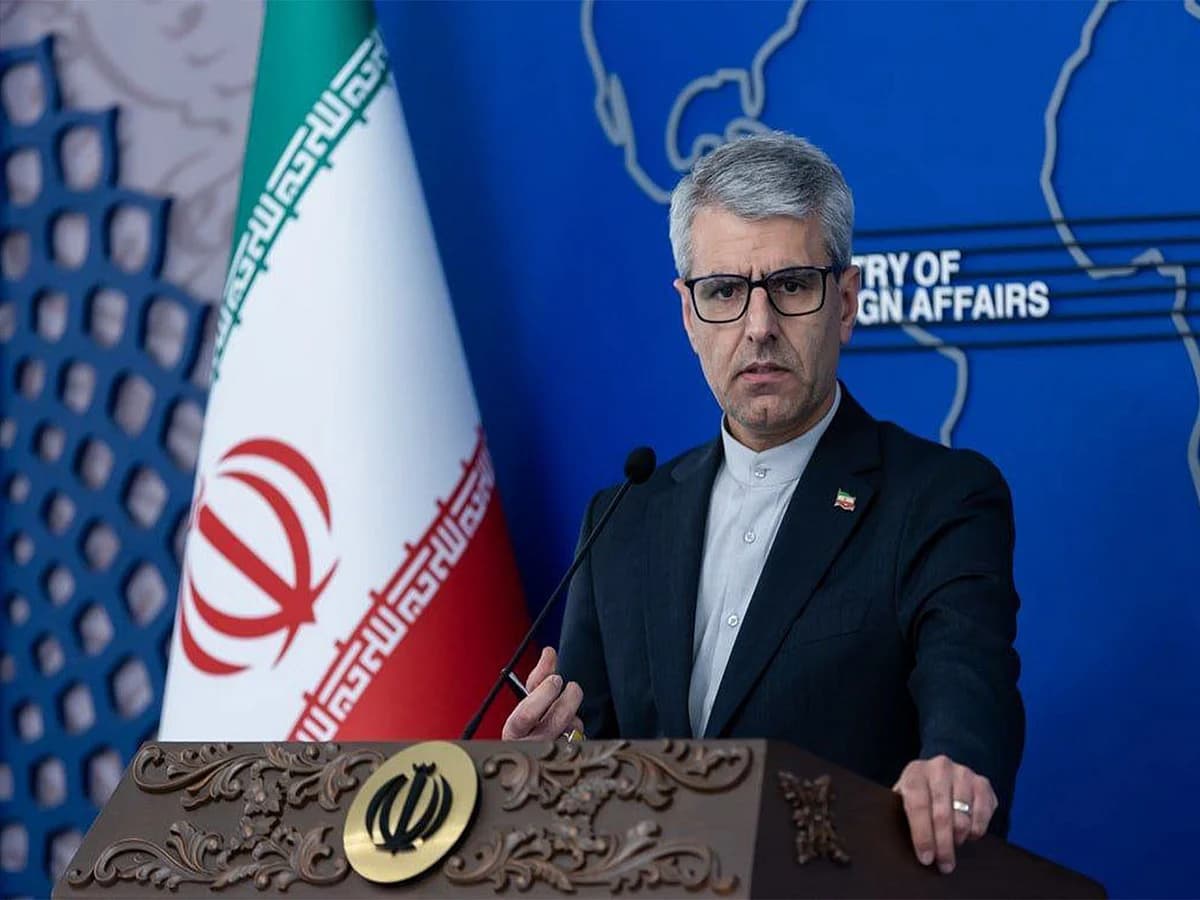
Here's what it means for you.
Rising energy prices and supply chain disruptions could impact your daily costs and access to resources.
Why it matters
The ongoing economic warfare between the US and Iran threatens global energy stability and regional security.
What happened (in 30 seconds)
- US sanctions: On August 24, 2026, the US launched Operation Economic Outcast, imposing severe sanctions on Iran's key sectors.
- Iran's response: Iran threatened to halt all oil exports from the Persian Gulf and has engaged in proxy actions to disrupt shipping routes.
- Market impact: The conflict has already led to increased crude oil prices and restricted traffic through the Strait of Hormuz.
The context you actually need
- Regional conflict: The situation escalated from a multi-front war involving Iran, Israel, Lebanon, and US forces that began on February 28, 2026.
- Economic isolation: The US aims to cripple Iran's economy by targeting its oil exports, particularly to China, which previously accounted for a significant portion of Iran's revenue.
- Strait of Hormuz: This strategic waterway carries approximately one-fifth of global energy supplies, making its security critical for international markets.
What's really happening
The US's Operation Economic Outcast represents a significant escalation in economic warfare against Iran, aiming to dismantle its financial lifelines. By imposing secondary sanctions on Iran's oil, technology, aviation, shipping, and gold sectors, the US Treasury seeks to isolate Iran economically and politically. This strategy is designed to pressure Iran into compliance with US demands while simultaneously deterring other nations from engaging with Tehran.
In response, Iran has adopted a multi-faceted approach to counteract these sanctions. The Iranian leadership, particularly through figures like Mohsen Rezaei, has signaled a willingness to escalate tensions by threatening to halt all oil exports from the Persian Gulf. This move is not merely a retaliatory gesture; it is a calculated strategy to raise global energy prices and impose political costs on the US administration, particularly under President Trump.
Iran's Revolutionary Guards (IRGC) have been active in disrupting shipping routes, particularly in the Strait of Hormuz, which has already seen a significant reduction in traffic due to Iranian threats. This waterway is crucial for global energy supplies, and any disruption can lead to immediate spikes in oil prices, affecting economies worldwide.
Moreover, Iran's use of proxy forces, such as the Houthis in Yemen, to target shipping routes in the Red Sea further complicates the situation. These actions not only threaten regional stability but also have broader implications for global supply chains, particularly for energy-dependent nations.
The Iranian government has also ramped up its cyber operations, targeting Western infrastructure as a form of asymmetric warfare. This strategy aims to create a sense of vulnerability among US allies and deter them from cooperating with US sanctions. The combination of military threats, economic retaliation, and cyber warfare illustrates Iran's strategic calculus in navigating the pressures of economic isolation.
As the situation unfolds, the potential for further escalation remains high, with both sides likely to continue their aggressive posturing. The implications of this conflict extend beyond the immediate region, affecting global energy markets and geopolitical alliances.
Who feels it first (and how)
- Energy consumers: Higher oil prices will directly impact consumers and businesses reliant on energy.
- Shipping companies: Increased risks in the Strait of Hormuz and Red Sea will affect shipping routes and insurance costs.
- Regional governments: Gulf states may face economic and political pressures as they navigate their relationships with both the US and Iran.
What to watch next
- Oil price fluctuations: Monitor crude oil prices for signs of volatility as tensions escalate.
- Shipping disruptions: Keep an eye on shipping traffic through the Strait of Hormuz and Red Sea for potential delays or rerouting.
- Diplomatic efforts: Watch for any diplomatic initiatives from Gulf states or international actors aimed at de-escalating tensions.
The US has imposed severe sanctions on Iran, impacting its economy.
Iran will continue to escalate its military and proxy actions in response to US sanctions.
The long-term effects on global energy prices and regional stability remain uncertain.
Frequently Asked Questions
- Why it matters?
- The ongoing economic warfare between the US and Iran threatens global energy stability and regional security.
- What happened (in 30 seconds)?
- US sanctions: On August 24, 2026, the US launched Operation Economic Outcast, imposing severe sanctions on Iran's key sectors. Iran's response: Iran threatened to halt all oil exports from the Persian Gulf and has engaged in proxy actions to disrupt shipping routes. Market impact: The conflict has already led to increased crude oil prices and restricted traffic through the Strait of Hormuz.
- What's really happening?
- The US's Operation Economic Outcast represents a significant escalation in economic warfare against Iran, aiming to dismantle its financial lifelines. By imposing secondary sanctions on Iran's oil, technology, aviation, shipping, and gold sectors, the US Treasury seeks to isolate Iran economically and politically. This strategy is designed to pressure Iran into compliance with US demands while simultaneously deterring other nations from engaging with Tehran. In response, Iran has adopted a mult
- Who feels it first (and how)?
- Energy consumers: Higher oil prices will directly impact consumers and businesses reliant on energy. Shipping companies: Increased risks in the Strait of Hormuz and Red Sea will affect shipping routes and insurance costs. Regional governments: Gulf states may face economic and political pressures as they navigate their relationships with both the US and Iran.
- What to watch next?
- Oil price fluctuations: Monitor crude oil prices for signs of volatility as tensions escalate. Shipping disruptions: Keep an eye on shipping traffic through the Strait of Hormuz and Red Sea for potential delays or rerouting. Diplomatic efforts: Watch for any diplomatic initiatives from Gulf states or international actors aimed at de-escalating tensions.
Oil, metals, and agriculture: supply/demand headlines, OPEC chatter, inventories, and price action.
"Solid tape for energy and metals traders tracking macro and micro catalysts."
— A47 Editor
Iran vows to retaliate after US widens sanctions
Iran has vowed to retaliate following the United States' decision to expand sanctions against the nation, which are described as the 'toughest in history.' This escalation in sanctions reflects ongoing geopolitical tensions and the U.S. strategy to e...
Pan-Arab political news and analysis.
"Al-Quds Al-Arabi is a London-based Arabic newspaper known for political coverage."
— A47 Editor
إيران تتعهد بالرد بعد توسيع أمريكا للعقوبات
Iran has vowed to respond to the expanded economic sanctions imposed by the United States, which Washington claims will severely impact the economic lifeline of the Islamic Republic. Iranian officials expressed confidence that key trade partners woul...
Breaking news and analysis from the UAE and Gulf region.
"Khaleej Times is a long-running UAE publication with broad regional coverage."
— A47 Editor
What are Iran's options to escalate further in face of US economic threats?
Iran is facing increasing economic threats from the United States, particularly due to new sanctions targeting key sectors such as technology and oil. These sanctions are part of a broader strategy by the U.S. to exert pressure on Iran amid escalatin...