
Pakistan and Oman Enhance Diplomatic Efforts with Iran Amid US Sanctions
Here's what it means for you.
As tensions rise in the Gulf, your business operations and energy costs could be directly impacted.
Why it matters
The ongoing diplomatic efforts between Pakistan, Oman, and Iran could reshape trade dynamics and energy prices in the region.
What happened (in 30 seconds)
- Pakistan and Oman intensified diplomatic missions to Tehran on August 25, 2026, aiming to de-escalate US-Iran tensions.
- US announced new sanctions on nearly 60 Iran-linked entities, further straining Iran's economy and maritime activities.
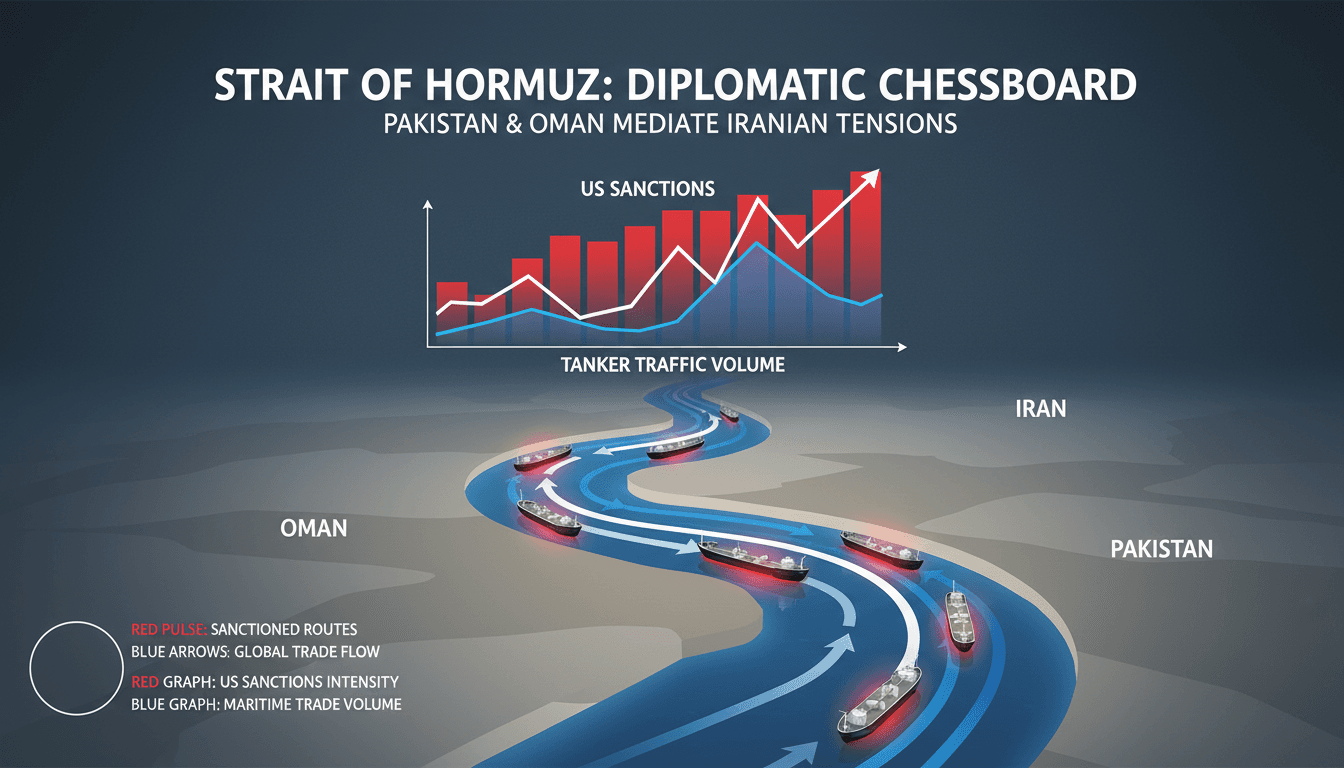
- Shipping data revealed a drastic drop in tanker traffic through the Strait of Hormuz, with only two vessels transiting on August 25, compared to an average of 14.
The context you actually need
- The diplomatic push follows the 2026 Iran war, which began with US and Israeli strikes on February 28, leading to heightened regional instability.
- Previous negotiations involving Qatar and other states have failed to produce lasting peace, making Pakistan and Oman’s roles critical in this new mediation effort.
- US sanctions have intensified economic strain on Iran, with the Iranian currency depreciating by 6.7% and inflation exceeding 80%, affecting regional markets.
What's really happening
On August 25, 2026, high-level officials from Pakistan and Oman met with Iranian leaders in Tehran, marking a significant escalation in diplomatic efforts aimed at preventing further conflict in the region. Pakistan's Chief of Defence Forces, Field Marshal Asim Munir, and Interior Minister Mohsin Naqvi led the discussions, focusing on restoring previous agreements and ensuring the safe passage of vessels through the strategically vital Strait of Hormuz. Concurrently, Oman's Foreign Minister Badr Albusaidi arrived to engage in consultations specifically about maritime security.
These diplomatic missions come in the wake of renewed US sanctions targeting Iran, which have intensified economic pressures on the country. The US Treasury Secretary Scott Bessent and President Donald Trump have threatened expanded sanctions, which could further isolate Iran economically and politically. This backdrop of escalating sanctions has prompted Iranian officials to signal their readiness for economic countermeasures, indicating a potential for retaliatory actions that could destabilize the region further.
The Strait of Hormuz, a critical chokepoint for global oil shipments, has seen a dramatic reduction in tanker traffic, with only two vessels reported transiting on August 25, compared to a 10-day average of 14. This decline in shipping activity not only reflects the immediate impact of US sanctions but also raises concerns about the broader implications for energy prices and logistics in the Gulf region. The reduced tanker traffic could lead to increased energy costs, affecting consumers and businesses reliant on stable oil prices.
As the situation unfolds, the involvement of regional players like Pakistan and Oman highlights a shift in diplomatic dynamics, with these nations positioning themselves as mediators between the US and Iran. Their efforts could pave the way for renewed negotiations, but the path remains fraught with challenges, particularly as Iran prepares for potential economic retaliation and the US maintains its hardline stance.
Who feels it first (and how)
- Energy sector professionals: Increased energy costs and supply chain disruptions could impact pricing and availability.
- Logistics companies: Reduced tanker traffic may lead to delays and increased shipping costs.
- Consumers in the Gulf: Rising energy prices could affect household budgets and spending power.
- Investors in regional markets: Heightened tensions may lead to volatility in stock and commodity markets.
What to watch next
- Further diplomatic engagements: Monitor upcoming meetings between Pakistan, Oman, and Iranian officials for signs of progress or setbacks.
- US sanctions developments: Watch for announcements regarding new sanctions or changes in US policy towards Iran, as these will directly impact regional stability.
- Shipping traffic through the Strait of Hormuz: Keep an eye on tanker movements, as fluctuations could indicate broader market trends and energy price shifts.
Diplomatic efforts are ongoing, with Pakistan and Oman actively engaging with Iran.
Continued US economic pressure on Iran will provoke further Iranian responses, potentially escalating tensions.
The long-term effectiveness of mediation efforts by Pakistan and Oman in achieving a sustainable resolution.
Frequently Asked Questions
- Why it matters?
- The ongoing diplomatic efforts between Pakistan, Oman, and Iran could reshape trade dynamics and energy prices in the region.
- What happened (in 30 seconds)?
- Pakistan and Oman intensified diplomatic missions to Tehran on August 25, 2026, aiming to de-escalate US-Iran tensions. US announced new sanctions on nearly 60 Iran-linked entities, further straining Iran's economy and maritime activities. Shipping data revealed a drastic drop in tanker traffic through the Strait of Hormuz, with only two vessels transiting on August 25, compared to an average of 14.
- What's really happening?
- On August 25, 2026, high-level officials from Pakistan and Oman met with Iranian leaders in Tehran, marking a significant escalation in diplomatic efforts aimed at preventing further conflict in the region. Pakistan's Chief of Defence Forces, Field Marshal Asim Munir, and Interior Minister Mohsin Naqvi led the discussions, focusing on restoring previous agreements and ensuring the safe passage of vessels through the strategically vital Strait of Hormuz. Concurrently, Oman's Foreign Minister Badr
- Who feels it first (and how)?
- Energy sector professionals: Increased energy costs and supply chain disruptions could impact pricing and availability. Logistics companies: Reduced tanker traffic may lead to delays and increased shipping costs. Consumers in the Gulf: Rising energy prices could affect household budgets and spending power. Investors in regional markets: Heightened tensions may lead to volatility in stock and commodity markets.
- What to watch next?
- Further diplomatic engagements: Monitor upcoming meetings between Pakistan, Oman, and Iranian officials for signs of progress or setbacks. US sanctions developments: Watch for announcements regarding new sanctions or changes in US policy towards Iran, as these will directly impact regional stability. Shipping traffic through the Strait of Hormuz: Keep an eye on tanker movements, as fluctuations could indicate broader market trends and energy price shifts.
UAE-based English-language newspaper covering regional politics, economics, and global affairs.
"The National reflects Emirati policy perspectives while maintaining international editorial standards."
— A47 Editor
Pakistan and Oman step up diplomacy with Tehran amid mounting US-Iran tension
Pakistan and Oman have intensified their diplomatic efforts with Tehran amid escalating tensions between the United States and Iran. Pakistan's Army Chief Asim Munir is scheduled to visit Tehran, while Oman's Foreign Minister Sayyid Badr Albusaidi is...
Macro commentary, policy analysis, growth/inflation themes, and global outlooks.
"Contextual macro coverage that complements day-to-day market headlines."
— A47 Editor
Iran, Pakistan make "progress" in talks on U.S.-Iran interim deal, minister says
Iran and Pakistan have reportedly made progress in discussions regarding an interim deal involving the United States, as stated by a Pakistani minister. This development comes amid ongoing tensions between Iran and the U.S., particularly concerning t...
Comprehensive coverage of Middle Eastern and global issues.
"Al Jazeera is a prominent voice from the Global South, especially the Middle East, with an emphasis on underreported stories."
— A47 Editor
Pakistan says significant progress made in talks on Iran-US war
Pakistan's army chief and interior minister have reported significant progress in diplomatic talks held in Tehran regarding the ongoing conflict between Iran and the United States. This visit underscores Pakistan's potential role as a mediator in the...