
Tanker hit by unidentified projectile in Strait of Hormuz amid US-Iran tensions
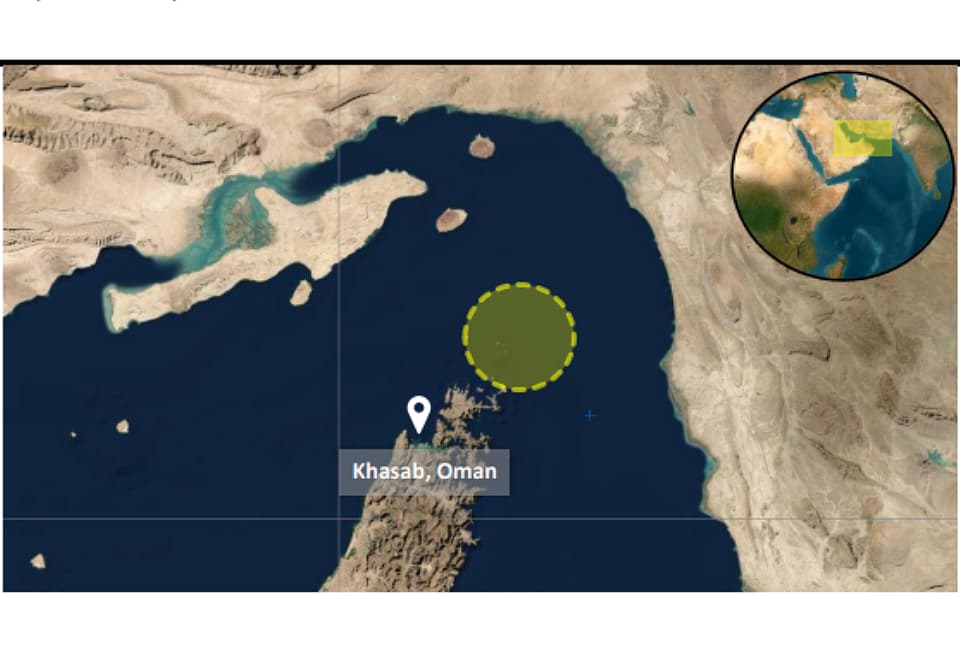
Here's what it means for you.
If you're involved in global trade or energy markets, this incident could impact your costs and logistics.
Why it matters
The Strait of Hormuz is a critical chokepoint for global oil shipments, and disruptions here can lead to increased prices and shipping insurance costs.
What happened (in 30 seconds)
- A tanker was struck by an unidentified projectile in the Strait of Hormuz on August 25, 2026, causing a fire that was extinguished by the crew.
- All crew members are safe, with no injuries or environmental damage reported, but the vessel sustained unspecified damage.
- UKMTO issued a cautionary advisory for vessels transiting the area as investigations into the incident are underway.
The context you actually need
- Ongoing US-Iran tensions have led to a series of maritime attacks in the Strait of Hormuz, with over 70 commercial vessels reportedly targeted since the conflict escalated in 2026.
- Previous incidents have involved Iranian forces using drones and projectiles against commercial shipping, raising security concerns for maritime operations in the region.
- The Strait of Hormuz is a vital route for oil exports, with approximately 20% of the world's oil passing through this narrow waterway, making it a focal point for geopolitical tensions.
What's really happening
The recent attack on a tanker in the Strait of Hormuz is part of a broader pattern of maritime aggression linked to the ongoing conflict between the US and Iran. Since the beginning of 2026, tensions have escalated, resulting in over 70 reported attacks on commercial vessels in the region. These incidents have primarily involved Iranian forces employing drones and projectiles, which have raised alarms among international shipping companies and maritime authorities.
The United Kingdom Maritime Trade Operations (UKMTO) has been actively monitoring the situation, issuing advisories to vessels transiting the area. The advisory following the August 25 incident underscores the heightened risk associated with navigating this critical oil transit corridor. While the immediate impact of this specific attack appears limited—no casualties or environmental damage reported—the broader implications for global shipping and oil markets are significant.
Increased freight rates and insurance premiums are likely outcomes of this incident, as shipping companies reassess the risks of operating in the Strait of Hormuz. The potential for further attacks could lead to a tightening of shipping routes and increased operational costs, which would ultimately be passed on to consumers and businesses reliant on oil and goods transported through this vital passage.
Moreover, the geopolitical landscape remains fragile, with regional governments closely monitoring developments. The lack of confirmed attribution for the attack adds to the uncertainty, as it could provoke retaliatory actions or further escalations in military presence in the area. As the situation evolves, stakeholders in the energy sector and global trade must remain vigilant, as disruptions in the Strait of Hormuz can have far-reaching consequences for supply chains and market stability.
Who feels it first (and how)
- Shipping companies: Increased insurance costs and potential rerouting of vessels.
- Energy sector: Fluctuations in oil prices affecting operational budgets and profitability.
- Consumers: Potential rise in fuel prices and costs of goods due to increased shipping expenses.
- Investors: Heightened market volatility in energy stocks and commodities.
What to watch next
- Freight rates: Monitor changes in shipping costs as companies adjust to increased risks in the region.
- Oil prices: Watch for fluctuations in global oil prices, which may rise due to perceived threats to supply.
- Geopolitical developments: Keep an eye on US-Iran relations and any military responses that could escalate tensions further.
The tanker was struck by an unidentified projectile, and all crew members are safe.
Increased shipping costs and oil prices as a result of heightened security concerns in the Strait of Hormuz.
The identity of the aggressor and the potential for further attacks in the region.
Frequently Asked Questions
- Why it matters?
- The Strait of Hormuz is a critical chokepoint for global oil shipments, and disruptions here can lead to increased prices and shipping insurance costs.
- What happened (in 30 seconds)?
- A tanker was struck by an unidentified projectile in the Strait of Hormuz on August 25, 2026, causing a fire that was extinguished by the crew. All crew members are safe, with no injuries or environmental damage reported, but the vessel sustained unspecified damage. UKMTO issued a cautionary advisory for vessels transiting the area as investigations into the incident are underway.
- What's really happening?
- The recent attack on a tanker in the Strait of Hormuz is part of a broader pattern of maritime aggression linked to the ongoing conflict between the US and Iran. Since the beginning of 2026, tensions have escalated, resulting in over 70 reported attacks on commercial vessels in the region. These incidents have primarily involved Iranian forces employing drones and projectiles, which have raised alarms among international shipping companies and maritime authorities. The United Kingdom Maritime T
- Who feels it first (and how)?
- Shipping companies: Increased insurance costs and potential rerouting of vessels. Energy sector: Fluctuations in oil prices affecting operational budgets and profitability. Consumers: Potential rise in fuel prices and costs of goods due to increased shipping expenses. Investors: Heightened market volatility in energy stocks and commodities.
- What to watch next?
- Freight rates: Monitor changes in shipping costs as companies adjust to increased risks in the region. Oil prices: Watch for fluctuations in global oil prices, which may rise due to perceived threats to supply. Geopolitical developments: Keep an eye on US-Iran relations and any military responses that could escalate tensions further.
Business and economy coverage focused on Dubai, the UAE, Saudi Arabia, and the wider Middle East.
"Arabian Business is a well-known regional business outlet with strong focus on Gulf markets, leadership, and investment stories."
— A47 Editor
Oil flows through the Strait of Hormuz are rising despite the ongoing war
Oil flows through the Strait of Hormuz are reportedly rising despite the ongoing conflict between the US and Iran, with recent data indicating an increase in shipping traffic, reaching 10 tankers on August 27, up from eight the previous day. This mar...
Global business headlines with AI angles.
"General business outlet that frequently covers AI."
— A47 Editor
Another Tanker Was Struck In The Strait Of Hormuz. Oil Is Edging Up.
A tanker was struck in the Strait of Hormuz near the Omani coast, as reported by the U.K. Maritime Trade Operations agency. This incident highlights ongoing tensions in a critical maritime route for global oil transportation.
Regional and international reporting focused on Middle Eastern politics, diplomacy, and economics.
"Asharq Al-Awsat is a Saudi-owned international newspaper reflecting mainstream Gulf political perspectives."
— A47 Editor
Tanker Hit by 'Unknown Projectile' in Strait of Hormuz, Says UKMTO
A tanker was struck by an unknown projectile while navigating the Strait of Hormuz, as reported by the United Kingdom Maritime Trade Operations (UKMTO). This incident raises significant concerns regarding maritime safety in this strategically vital w...
Arabic-language coverage of political affairs and current events.
"Okaz political coverage typically follows mainstream Saudi framing on national and regional affairs."
— A47 Editor
ناقلة نفط تتعرض لهجوم في مضيق هرمز
A tanker was attacked by an unknown projectile in the Strait of Hormuz, as reported by the British Maritime Trade Operations on Tuesday. The incident occurred in the waterway between Iran and Oman, with the crew reported to be safe, although the iden...
Pan-Arab news coverage spanning politics, business, sports, and regional affairs.
"Asharq Al-Awsat reflects a broad Arab editorial perspective with strong attention to regional geopolitics."
— A47 Editor
إصابة ناقلة بـ«مقذوف غير محدد» في مضيق هرمز
The British Maritime Trade Operations announced that a ship was struck by an unspecified projectile in the Strait of Hormuz, resulting in a fire onboard. This incident raises concerns over maritime security in a region known for its strategic shippin...
UAE-based newspaper covering Gulf politics, society, and international developments.
"Gulf News is one of the UAE’s most prominent English-language publications."
— A47 Editor
Tanker hit by 'unknown projectile' in Strait of Hormuz: UKMTO
A tanker was struck by an unknown projectile while navigating the Strait of Hormuz, as reported by the United Kingdom Maritime Trade Operations (UKMTO). This incident raises significant concerns regarding maritime safety in this strategically vital w...
A curated Gulf News feed featuring major stories across news, business, opinion, and lifestyle.
"Gulf News is a major UAE newspaper whose featured stories feed reflects a broad editorial mix shaped for a Gulf audience."
— A47 Editor
Tanker hit by 'unknown projectile' in Strait of Hormuz: UKMTO
A tanker was struck by an unknown projectile while navigating the Strait of Hormuz, as reported by the United Kingdom Maritime Trade Operations (UKMTO). This incident raises significant concerns regarding maritime safety in this strategically vital w...