
6,000 Seafarers Remain Stranded in Strait of Hormuz Amid Iran-US Tensions
Here's what it means for you.
If you rely on global shipping for fuel or commodities, expect rising costs and potential delays.
Why it matters
The ongoing maritime crisis in the Strait of Hormuz threatens global supply chains, impacting energy prices and commodity availability.
What happened (in 30 seconds)
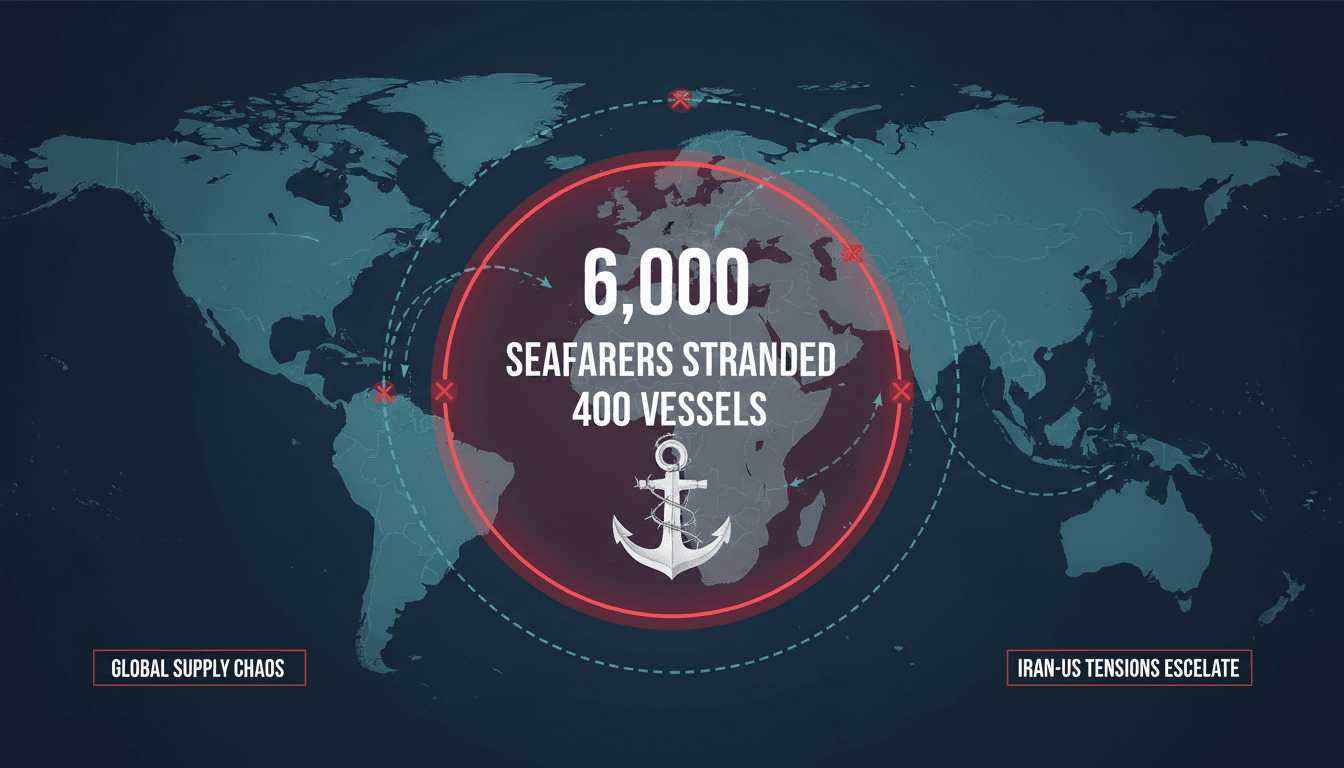
- 6,000 seafarers remain stranded on approximately 400 vessels in the Strait of Hormuz due to escalating Iran-US tensions.
- 70 documented incidents targeting international shipping have occurred since February 2026, resulting in 19 fatalities.
- Evacuations have been suspended after initial efforts successfully moved 2,900 seafarers, raising safety concerns amid renewed attacks.
The context you actually need
- The Strait of Hormuz is a critical chokepoint for about 20% of the world's oil supply, making its security vital for global energy markets.
- The crisis began with the US-Israel military campaign against Iran, which led to Iran asserting control over the strait and halting navigation.
- The International Maritime Organization (IMO) has called for international cooperation to restore safe navigation and protect stranded seafarers.
What's really happening
The maritime crisis in the Strait of Hormuz is a direct consequence of heightened military tensions between Iran and the United States, which escalated significantly on February 28, 2026. This conflict has led to Iran effectively closing the strait, a vital passage for global oil and commodity shipments. Initially, around 20,000 seafarers were trapped aboard approximately 2,000 vessels, but as of late August 2026, that number has decreased to 6,000 due to partial evacuations.
The IMO's response included launching an evacuation framework in June 2026, which successfully relocated 136 vessels and nearly 2,900 seafarers over a four-day period. However, this operation was abruptly halted after projectile attacks on commercial ships raised serious safety concerns. The situation remains precarious, with Iran claiming full control over the strait while the US insists that international shipping lanes are clear.
Since the onset of the conflict, the IMO has documented 70 attacks on vessels, resulting in 19 fatalities among seafarers. The humanitarian implications are severe, with reports of some seafarers being abandoned by ship owners without provisions or wages, raising urgent concerns about their mental health and overall well-being.
The crisis has broader implications for global supply chains, particularly in the energy sector. With the Strait of Hormuz being a critical transit point for oil, disruptions here can lead to increased prices and volatility in global markets. As shipping routes become less reliable, companies may face delays in receiving essential goods, which could ripple through various sectors, from manufacturing to retail.
The ongoing tensions also highlight the need for renewed international cooperation to ensure safe navigation through the strait. The IMO continues to advocate for political dialogue among involved parties to facilitate the safe transit and repatriation of stranded seafarers, emphasizing the importance of maritime security in maintaining global trade flows.
Who feels it first (and how)
- Shipping companies: Increased operational costs and potential losses from stranded vessels.
- Energy sector: Fluctuating oil prices and supply chain disruptions affecting fuel availability.
- Seafarers: Directly impacted by abandonment and lack of provisions, facing mental health risks.
- Consumers: Potentially higher prices for goods reliant on maritime transport, including fuel and commodities.
- Regional economies: Countries like Oman may experience economic strain due to reduced trade and increased tensions.
What to watch next
- International negotiations: Watch for any diplomatic efforts aimed at de-escalating tensions between Iran and the US, which could impact maritime security.
- Shipping traffic reports: Monitor changes in vessel transits through the Strait of Hormuz, as fluctuations may indicate shifts in safety perceptions.
- Commodity price trends: Keep an eye on oil and commodity prices, as sustained disruptions could lead to significant market volatility.
6,000 seafarers remain stranded, with ongoing risks to their safety and well-being.
Continued volatility in oil prices and disruptions in global supply chains as tensions persist.
The timeline for resolving the crisis and restoring safe navigation through the Strait of Hormuz.
Frequently Asked Questions
- Why it matters?
- The ongoing maritime crisis in the Strait of Hormuz threatens global supply chains, impacting energy prices and commodity availability.
- What happened (in 30 seconds)?
- 6,000 seafarers remain stranded on approximately 400 vessels in the Strait of Hormuz due to escalating Iran-US tensions. 70 documented incidents targeting international shipping have occurred since February 2026, resulting in 19 fatalities. Evacuations have been suspended after initial efforts successfully moved 2,900 seafarers, raising safety concerns amid renewed attacks.
- What's really happening?
- The maritime crisis in the Strait of Hormuz is a direct consequence of heightened military tensions between Iran and the United States, which escalated significantly on February 28, 2026. This conflict has led to Iran effectively closing the strait, a vital passage for global oil and commodity shipments. Initially, around 20,000 seafarers were trapped aboard approximately 2,000 vessels, but as of late August 2026, that number has decreased to 6,000 due to partial evacuations. The IMO's response
- Who feels it first (and how)?
- Shipping companies: Increased operational costs and potential losses from stranded vessels. Energy sector: Fluctuating oil prices and supply chain disruptions affecting fuel availability. Seafarers: Directly impacted by abandonment and lack of provisions, facing mental health risks. Consumers: Potentially higher prices for goods reliant on maritime transport, including fuel and commodities. Regional economies: Countries like Oman may experience economic strain due to reduced trade and in
- What to watch next?
- International negotiations: Watch for any diplomatic efforts aimed at de-escalating tensions between Iran and the US, which could impact maritime security. Shipping traffic reports: Monitor changes in vessel transits through the Strait of Hormuz, as fluctuations may indicate shifts in safety perceptions. Commodity price trends: Keep an eye on oil and commodity prices, as sustained disruptions could lead to significant market volatility.
Jordanian news and regional updates.
"Roya News is a Jordanian outlet focused on breaking news and local affairs."
— A47 Editor
الأمم المتحدة: 6 آلاف بحار عالقون في الخليج بسبب توترات مضيق هرمز
The United Nations' International Maritime Organization reported that approximately 6,000 seafarers are stranded in the Gulf due to escalating tensions in the Strait of Hormuz. This situation has arisen amidst ongoing geopolitical conflicts that have...
English-language news from Qatar covering domestic and regional affairs.
"Gulf Times reflects Qatari perspectives on regional developments."
— A47 Editor
UN maritime agency says 6,000 seafarers stranded in the Strait of Hormuz
The UN's International Maritime Organization (IMO) has reported that approximately 6,000 seafarers are stranded in the Strait of Hormuz due to the ongoing conflict involving the US, Israel, and Iran that escalated on February 28. This situation has c...
Pan-Arab political news and analysis.
"Al-Quds Al-Arabi is a London-based Arabic newspaper known for political coverage."
— A47 Editor
الأمم المتحدة: 6 آلاف بحار عالقون في الخليج العربي منذ 6 أشهر
The International Maritime Organization, a United Nations agency, reported that approximately 6,000 sailors are stranded on up to 400 ships in the Arabian Gulf, unable to pass through the Strait of Hormuz due to escalating tensions between Iran and t...