
US and Venezuela Sign Historic Oil Agreement Granting 100-Year Concessions
Why it matters
The agreement signifies a strategic pivot in US energy policy, enhancing supply security while potentially revitalizing Venezuela's economy.
What happened (in 30 seconds)
- On September 2, 2026, the US and Venezuela signed a bilateral oil agreement granting North American Blue Energy Partners (NABEP) 100-year concessions over 17 oil fields.
- The US government secured a 35% equity stake in NABEP and guaranteed purchase rights for 20% of production at cost.
- Venezuela's interim leadership aims to attract investment and generate revenue while maintaining resource sovereignty.
The context you actually need
- Venezuela holds the world's largest proven oil reserves, yet production has plummeted due to sanctions and underinvestment.
- The US is diversifying energy sources amid global supply disruptions, particularly from the Middle East.
- The Trump administration framed this deal as a critical step toward US energy dominance and economic recovery for Venezuela.
What's really happening
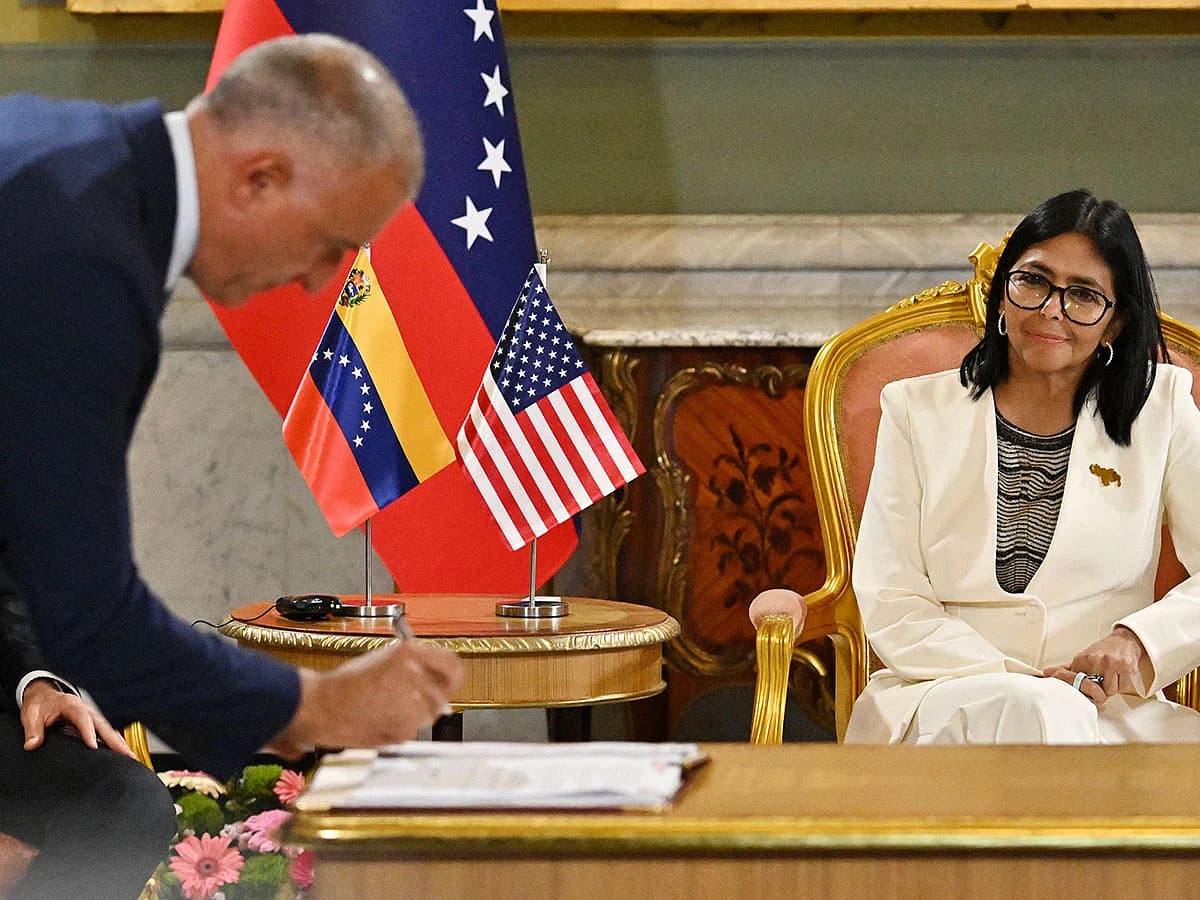
The US-Venezuela oil agreement marks a significant shift in energy geopolitics, driven by mutual interests in economic recovery and energy security. The deal grants North American Blue Energy Partners (NABEP) 100-year operating rights over 17 oil fields, which contain approximately 65 billion barrels of proven reserves—about one-fifth of Venezuela's total crude reserves. This arrangement is not merely a business transaction; it reflects a strategic alignment between the US and Venezuela's interim government under Delcy Rodriguez, who is seeking to stabilize the country's economy while asserting its sovereignty over natural resources.
The US government entities involved, including the Pentagon's Office of Strategic Capital, have secured a 35% equity stake in NABEP at no cost, alongside guaranteed purchase rights for 20% of the production at cost. This means that the US can ensure a steady supply of oil without being subject to OPEC's production quotas, which have historically constrained output. The deal also includes first-refusal options on the remaining production, giving the US significant leverage over Venezuelan oil exports.
Venezuela, in turn, is looking to attract up to $100 billion in infrastructure investment, which is crucial for revitalizing its oil sector. The projected revenues from this deal could exceed $200 billion over the next 25 years, providing much-needed funds for the interim government. However, the execution of this agreement is fraught with risks, including political uncertainties and competition from other operators in the region.
Market observers are cautiously optimistic about the potential for increased production, but they also highlight the challenges that could arise from the complex political landscape in Venezuela. The interim government has indicated a willingness to consider exiting OPEC to maximize output flexibility, which could further alter the dynamics of global oil supply.
In summary, this agreement is a calculated move by both parties to secure their respective interests—energy security for the US and economic recovery for Venezuela—while navigating the complexities of international energy politics.
Who feels it first (and how)
- Energy sector investors: They will closely monitor the execution of the deal and its impact on oil prices.
- US consumers: Changes in oil supply dynamics could influence fuel prices at the pump.
- Venezuelan citizens: Potential economic recovery could improve living conditions, but political stability remains uncertain.
What to watch next
- Implementation progress: Monitor how quickly NABEP begins operations and the level of investment flowing into Venezuela.
- Political developments in Venezuela: Changes in leadership or policy could affect the stability of the agreement.
- Global oil prices: Watch for fluctuations in oil prices as the market reacts to increased Venezuelan production and US supply dynamics.
The US has secured a 35% equity stake in NABEP and guaranteed purchase rights for 20% of production.
Increased Venezuelan oil production could lead to shifts in global oil prices.
The long-term political stability of Venezuela and its impact on the agreement's execution.
Frequently Asked Questions
- Why it matters?
- The agreement signifies a strategic pivot in US energy policy, enhancing supply security while potentially revitalizing Venezuela's economy.
- What happened (in 30 seconds)?
- On September 2, 2026, the US and Venezuela signed a bilateral oil agreement granting North American Blue Energy Partners (NABEP) 100-year concessions over 17 oil fields. The US government secured a 35% equity stake in NABEP and guaranteed purchase rights for 20% of production at cost. Venezuela's interim leadership aims to attract investment and generate revenue while maintaining resource sovereignty.
- What's really happening?
- The US-Venezuela oil agreement marks a significant shift in energy geopolitics, driven by mutual interests in economic recovery and energy security. The deal grants North American Blue Energy Partners (NABEP) 100-year operating rights over 17 oil fields, which contain approximately 65 billion barrels of proven reserves—about one-fifth of Venezuela's total crude reserves. This arrangement is not merely a business transaction; it reflects a strategic alignment between the US and Venezuela's interi
- Who feels it first (and how)?
- Energy sector investors: They will closely monitor the execution of the deal and its impact on oil prices. US consumers: Changes in oil supply dynamics could influence fuel prices at the pump. Venezuelan citizens: Potential economic recovery could improve living conditions, but political stability remains uncertain.
- What to watch next?
- Implementation progress: Monitor how quickly NABEP begins operations and the level of investment flowing into Venezuela. Political developments in Venezuela: Changes in leadership or policy could affect the stability of the agreement. Global oil prices: Watch for fluctuations in oil prices as the market reacts to increased Venezuelan production and US supply dynamics.
UAE-based newspaper covering Gulf politics, society, and international developments.
"Gulf News is one of the UAE’s most prominent English-language publications."
— A47 Editor
US-Venezuela oil deal redraws global energy power
The United States has finalized a landmark oil deal with Venezuela, granting it majority control over approximately 65 billion barrels of proven oil reserves, which is touted as the largest oil deal in history. This agreement marks a significant shif...
A curated Gulf News feed featuring major stories across news, business, opinion, and lifestyle.
"Gulf News is a major UAE newspaper whose featured stories feed reflects a broad editorial mix shaped for a Gulf audience."
— A47 Editor
US-Venezuela oil deal redraws global energy power
The United States has finalized a landmark oil deal with Venezuela, granting it majority control over approximately 65 billion barrels of proven oil reserves, which is touted as the largest oil deal in history. This agreement marks a significant shif...
Macro commentary, policy analysis, growth/inflation themes, and global outlooks.
"Contextual macro coverage that complements day-to-day market headlines."
— A47 Editor
US structured Venezuela oil position to protect it from dilution, official says
The United States has structured its position regarding Venezuelan oil to safeguard against potential dilution, according to an official statement. This strategic approach comes amid ongoing geopolitical tensions and a significant shift in U.S.-Venez...
UAE-based English-language newspaper covering regional politics, economics, and global affairs.
"The National reflects Emirati policy perspectives while maintaining international editorial standards."
— A47 Editor
US $100bn Venezuela oil bet faces years-long wait
Former President Donald Trump has announced a landmark deal granting the United States a majority stake in Venezuelan oil reserves, which he claims to be the largest oil deal in history, involving control over more than 65 billion barrels of proven r...