
Record-strength El Niño event intensifies with global climate disruptions forecasted
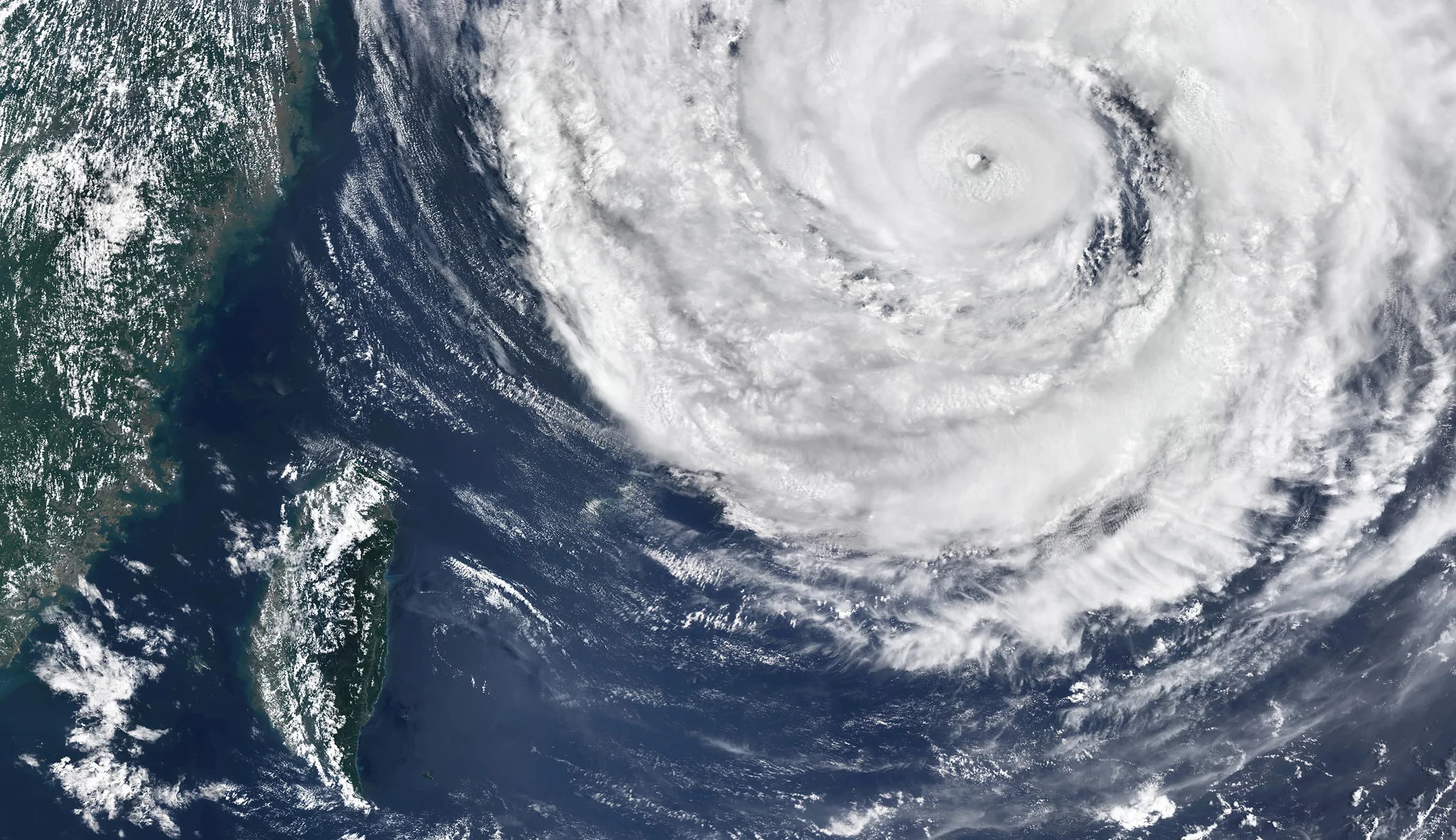
Here's what it means for you.
The intensifying El Niño event could lead to significant disruptions in global food supply chains, impacting prices and availability.
Why it matters
This record-strength climate phenomenon amplifies existing risks from climate change, affecting agriculture, fisheries, and water resources worldwide.
What happened (in 30 seconds)
- El Niño conditions were declared in June 2026, with sea surface temperatures in the Niño 3.4 region reaching record anomalies.
- The World Meteorological Organization (WMO) forecasted a nearly 100% chance of the event continuing through February 2027, marking it as the strongest on record.
- Early impacts include extreme weather events, droughts, and disruptions to fisheries, with a projected increase in global hunger affecting millions.
The context you actually need
- A weak La Niña transitioned to El Niño conditions in early 2026, setting the stage for this unprecedented event.
- Sea surface temperature anomalies have already exceeded previous records, with forecasts predicting a peak anomaly of 3.6°C.
- The UN and other organizations have issued warnings about potential humanitarian crises, with up to 50 million people at risk of acute hunger.
What's really happening
The 2026–2027 El Niño event is a significant climate phenomenon characterized by exceptionally warm sea surface temperatures in the equatorial Pacific Ocean. This event is driven by natural variability in the El Niño-Southern Oscillation (ENSO), but its intensity is exacerbated by long-term anthropogenic climate change. The transition from a weak La Niña to El Niño conditions began in early 2026, coinciding with record global sea surface temperatures.
By June 2026, El Niño conditions were officially declared, and by August, temperature anomalies in the Niño 3.4 region reached approximately 2.0–2.6°C above average. The WMO's forecast on September 3, 2026, indicated a near-certain continuation of these conditions through February 2027, with projections suggesting that this El Niño could surpass the previous record set during the 2015–2016 event.
The implications of this event are far-reaching. As the ocean warms, it alters weather patterns globally, leading to increased risks of extreme weather events such as droughts, floods, and heatwaves. These changes disrupt agriculture and fisheries, critical sectors for food security. For instance, early impacts have already been observed, including the hottest summer on record in the U.S., emerging droughts in regions like Sudan and Puerto Rico, and disruptions to fisheries in the eastern Pacific.
The UN Secretary-General António Guterres has described the event as "supersizing before our eyes," emphasizing the uncharted risks posed by this phenomenon. The humanitarian implications are dire, with the UN's Food and Agriculture Organization (FAO) and World Food Programme (WFP) issuing joint appeals for donations to avert a global crisis, projecting that up to 50 million additional people could face acute hunger due to these disruptions.
As the event continues to intensify, governments and organizations are implementing measures to mitigate its impacts. This includes water rationing in affected regions and increased fees for transit through the Panama Canal, which has already reduced daily transits due to low water levels. The economic ramifications are significant, with potential losses in the trillions projected through 2032 as agriculture, fisheries, and extreme weather events are disrupted.
Who feels it first (and how)
- Farmers and agricultural workers: Facing crop failures and reduced yields due to extreme weather.
- Fisheries and seafood industries: Experiencing disruptions in fish populations and catch rates.
- Low-income communities: More vulnerable to food insecurity and rising prices.
- Governments: Required to implement emergency measures and manage humanitarian responses.
- Global supply chains: Affected by increased costs and delays in food distribution.
What to watch next
- Sea surface temperature anomalies: Monitoring these will indicate the event's intensity and potential impacts on global weather patterns.
- Food prices: Watch for fluctuations in agricultural commodity prices as supply chains are disrupted.
- Humanitarian appeals: Increased calls for aid from organizations like the UN could signal worsening conditions in vulnerable regions.
The El Niño event is currently intensifying and is expected to persist through February 2027.
Increased extreme weather events and disruptions to agriculture and fisheries will occur globally.
The full extent of economic impacts and humanitarian crises that may arise from this event.
Frequently Asked Questions
- Why it matters?
- This record-strength climate phenomenon amplifies existing risks from climate change, affecting agriculture, fisheries, and water resources worldwide.
- What happened (in 30 seconds)?
- El Niño conditions were declared in June 2026, with sea surface temperatures in the Niño 3.4 region reaching record anomalies. The World Meteorological Organization (WMO) forecasted a nearly 100% chance of the event continuing through February 2027, marking it as the strongest on record. Early impacts include extreme weather events, droughts, and disruptions to fisheries, with a projected increase in global hunger affecting millions.
- What's really happening?
- The 2026–2027 El Niño event is a significant climate phenomenon characterized by exceptionally warm sea surface temperatures in the equatorial Pacific Ocean. This event is driven by natural variability in the El Niño-Southern Oscillation (ENSO), but its intensity is exacerbated by long-term anthropogenic climate change. The transition from a weak La Niña to El Niño conditions began in early 2026, coinciding with record global sea surface temperatures. By June 2026, El Niño conditions were offi
- Who feels it first (and how)?
- Farmers and agricultural workers: Facing crop failures and reduced yields due to extreme weather. Fisheries and seafood industries: Experiencing disruptions in fish populations and catch rates. Low-income communities: More vulnerable to food insecurity and rising prices. Governments: Required to implement emergency measures and manage humanitarian responses. Global supply chains: Affected by increased costs and delays in food distribution.
- What to watch next?
- Sea surface temperature anomalies: Monitoring these will indicate the event's intensity and potential impacts on global weather patterns. Food prices: Watch for fluctuations in agricultural commodity prices as supply chains are disrupted. Humanitarian appeals: Increased calls for aid from organizations like the UN could signal worsening conditions in vulnerable regions.
English-language digital publication covering business, politics, technology, and current affairs.
"The Arabian Post mixes original and syndicated-style coverage with a broad regional and global business-news orientation."
— A47 Editor
UN raises El Niño alert amid 2027 weather risks
The World Meteorological Organization (WMO) has issued a warning regarding the developing El Niño phenomenon, which is expected to become one of the strongest in decades, significantly increasing the risks of extreme weather events such as heatwaves,...
24/7 international news from a French perspective in multiple languages.
"France 24 is viewed as a globally focused outlet with balanced coverage and a European perspective."
— A47 Editor
WMO chief says El Nino could be strongest in four decades
The World Meteorological Organization (WMO) has warned that the El Niño phenomenon could be the strongest in four decades, with expectations of significant intensification in the coming months. This natural weather pattern is likely to persist until ...
Markets desk coverage, trading insights, and investor updates.
"WSJ’s markets reporting provides in-depth analysis and context for investors."
— A47 Editor
El Nino Is Yet to Peak, Bringing Heat and Agricultural Damage in Tow, UN Says
The United Nations has reported that the current El Nino phenomenon is expected to be the strongest in over 70 years, leading to significant disruptions in global agricultural markets. This climatic event is anticipated to peak soon, bringing with it...
Social/economic commentary and analysis relevant to business and markets.
"WSJ blends data-driven economic insight with commentary on policy and society."
— A47 Editor
El Nino Is Yet to Peak, Bringing Heat and Agricultural Damage in Tow, UN Says
The United Nations has reported that the current El Nino phenomenon is expected to be the strongest in over 70 years, potentially leading to significant disruptions in global agricultural markets. This climatic event is anticipated to peak soon, brin...
Global political, business, and cultural coverage from WSJ international desks.
"The Wall Street Journal offers extensive international reporting with a reputation for financial insight and a center-right editorial stance."
— A47 Editor
El Nino Is Yet to Peak, Bringing Heat and Agricultural Damage in Tow, UN Says
The United Nations has reported that the current El Niño phenomenon is on track to be the strongest in at least 70 years, with significant implications for global agricultural markets as it intensifies.
International coverage from The Guardian's global desks.
"The Guardian is known for its progressive editorial stance and in-depth analysis."
— A47 Editor
BoM forecasts strongest El Niño on record as research points to ‘alarming’ climate change influence
The Bureau of Meteorology (BoM) has issued a warning that the current El Niño phenomenon is on track to become the strongest on record, with Pacific Ocean temperatures rising over 2°C in just six months. This alarming trend is expected to lead to unu...
English-language reporting on Saudi politics, policy, and society.
"Saudi Gazette reflects mainstream Saudi institutional perspectives."
— A47 Editor
UN warns of 'supersized' El Niño as world prepares for impact
The United Nations has issued a warning that the El Niño phenomenon is firmly established and is expected to intensify into a very strong event, potentially the strongest in over 70 years, leading to significant impacts on global weather patterns, in...
UAE-based English-language newspaper covering regional politics, economics, and global affairs.
"The National reflects Emirati policy perspectives while maintaining international editorial standards."
— A47 Editor
'Supersized before our eyes': UN warns El Nino will intensify in coming months
The United Nations has issued a warning that the El Niño phenomenon is expected to intensify significantly in the coming months, leading to severe weather conditions such as floods, droughts, and heatwaves. This alarming forecast highlights the urgen...
Reports on climate change, environmental science, sustainability, and nature.
"BBC News is widely regarded as a reputable international news organization, known for its impartial tone and public service mandate."
— A47 Editor
UN warns of 'supersized' El Niño as countries prepare for impact
The United Nations has issued a warning regarding an impending 'supersized' El Niño, which is expected to disrupt global economies and weather patterns significantly. The World Meteorological Organization (WMO) has highlighted the potential for sever...
International coverage of politics, culture, and current affairs.
"BBC News is widely regarded as a reputable international news organization, known for its impartial tone and public service mandate."
— A47 Editor
UN warns of 'supersized' El Niño as countries prepare for impact
The United Nations has issued a warning regarding the emergence of a 'supersized' El Niño, a natural weather phenomenon that is expected to disrupt global economies significantly. The World Meteorological Organization (WMO) has highlighted the potent...
Top international stories selected by The Guardian editors.
"The Guardian is known for its progressive editorial stance and in-depth analysis."
— A47 Editor
‘Supersizing before our eyes’: UN warns of record El Niño approaching
The United Nations has issued a stark warning regarding an approaching El Niño phenomenon, which is projected to be the largest in over a millennium, potentially leading to unprecedented global temperature records. This event is expected to exacerbat...
Emerging technologies, digital transformation, IT, and cultural impact of tech.
"WIRED covers the intersection of technology, culture, and politics with a progressive, forward-looking editorial stance."
— A47 Editor
The 2026 El Niño Is Being ‘Supersized’ as Impacts Worsen
The World Meteorological Organization has issued a warning regarding the ongoing El Niño phenomenon, predicting that its effects will persist until at least February 2026, leading to severe weather disruptions globally.