
Record-Intensity El Niño Forecasted to Persist Through February 2027
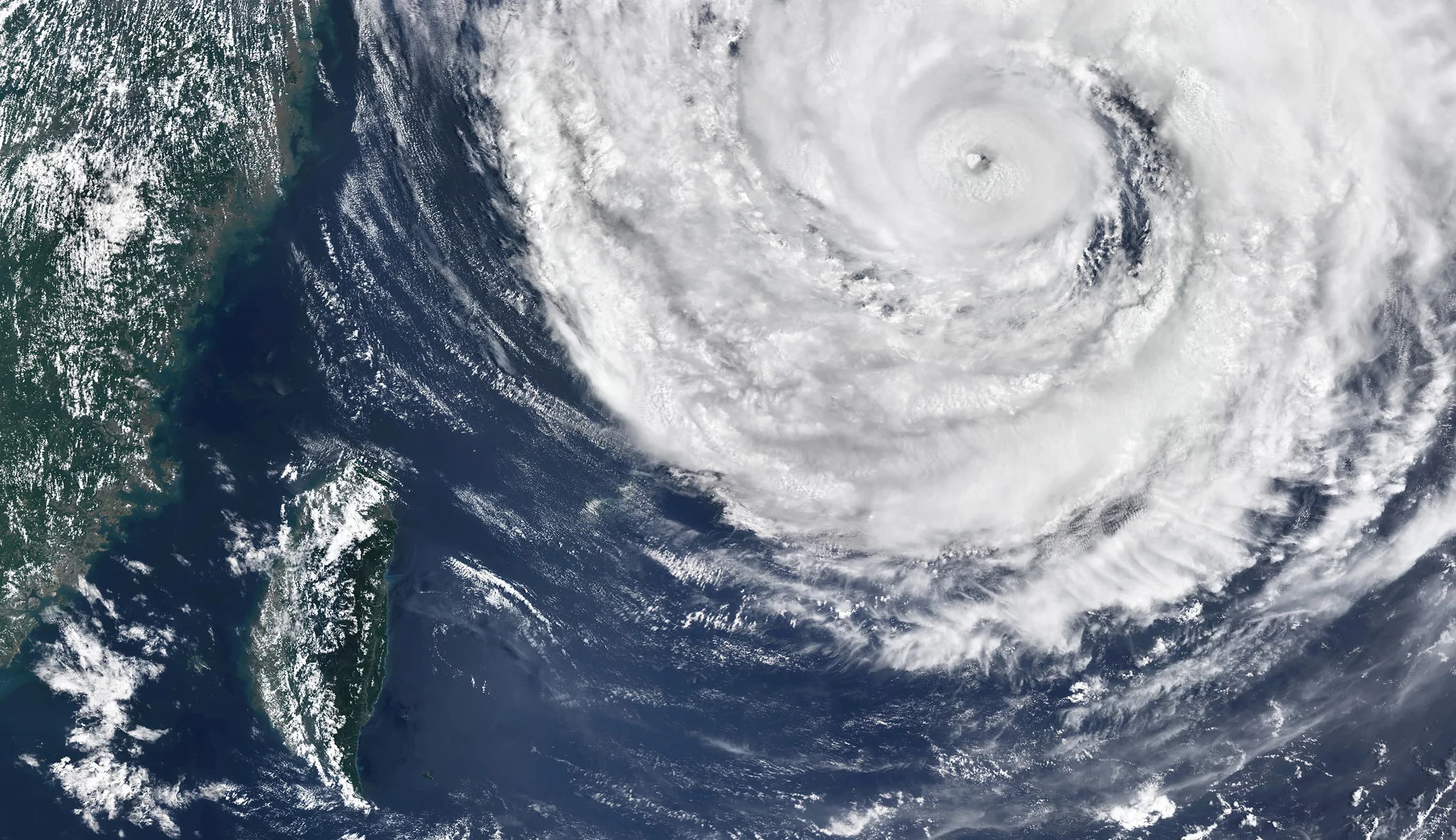
Here's what it means for you.
The intensifying El Niño phenomenon is set to disrupt global weather patterns, impacting food prices, energy demand, and climate resilience.
Why it matters
This record-breaking El Niño event is expected to exacerbate existing climate challenges, affecting economies and livelihoods worldwide.
What happened (in 30 seconds)
- El Niño conditions emerged in June 2026, with sea surface temperatures rising rapidly, indicating a potential record-breaking event.
- The World Meteorological Organization forecasts a nearly 100% chance of this El Niño persisting through February 2027, leading to extreme global weather.
- Early impacts include record heat in the U.S., water rationing in Puerto Rico, and disruptions to fisheries in the eastern Pacific.
The context you actually need
- Historical precedents: Previous strong El Niño events, like those in 1997-98 and 2015-16, caused significant global disruptions, setting a concerning precedent for the current situation.
- Climate change interaction: This El Niño is compounded by anthropogenic climate change, with rising sea temperatures intensifying its effects.
- Global implications: The event is expected to push global temperatures higher, potentially making 2026 and 2027 the hottest years on record.
What's really happening
The 2026 El Niño is shaping up to be a climate phenomenon of unprecedented scale, driven by a combination of natural oceanic cycles and human-induced climate change. Since June 2026, scientists have observed rapid increases in sea surface temperatures in the eastern tropical Pacific Ocean, with anomalies projected to exceed 2.5–3.6°C in the Niño 3.4 region. This marks a significant escalation compared to previous events, which were already known for their disruptive impacts.
The World Meteorological Organization (WMO) has issued its most definitive forecast yet, indicating a nearly 100% likelihood that this El Niño will persist through February 2027. This forecast is alarming, as it suggests that the extreme weather patterns associated with El Niño—such as droughts, floods, and heatwaves—will not only continue but intensify. The early impacts have already been felt globally, with the hottest summer on record in the U.S., severe drought conditions in Sudan exacerbating hunger crises, and water rationing measures being implemented in Puerto Rico.
The interaction between this El Niño and ongoing climate change is particularly concerning. As greenhouse gas emissions continue to warm the planet, the baseline temperatures are rising, creating a feedback loop that amplifies the effects of El Niño. UN Secretary-General António Guterres has highlighted that we are witnessing the "supersizing" of El Niño, as rising sea temperatures and accumulated subsurface heat in the western Pacific interact with long-term global warming trends.
The implications of this event are far-reaching. The UN Food and Agriculture Organization and the World Food Programme have already issued appeals for donations to avert a global humanitarian crisis, as agricultural disruptions and higher food prices loom. The Panama Canal Authority has reduced daily transits due to low water levels, signaling the potential for significant disruptions in global trade. As governments in regions like California and Southeast Asia prepare for increased flooding, droughts, and wildfires, the economic and social ramifications of this El Niño will be felt across multiple sectors.
Who feels it first (and how)
- Farmers: Facing potential crop failures and increased food prices due to disrupted weather patterns.
- Energy sectors: Anticipating spikes in demand and potential supply chain disruptions.
- Coastal communities: Experiencing heightened risks from flooding and erosion.
- Governments: Needing to allocate resources for disaster preparedness and response.
What to watch next
- Temperature trends: Monitor global temperature records to see if 2026 and 2027 become the hottest years on record, which would indicate the severity of this El Niño.
- Agricultural reports: Keep an eye on crop yield forecasts and food price trends, as these will reflect the immediate economic impacts of the El Niño.
- Disaster preparedness initiatives: Watch for government responses in vulnerable regions, including funding for infrastructure improvements and emergency services.
The El Niño event is ongoing and expected to persist through February 2027.
Global temperatures will rise, leading to extreme weather events and agricultural disruptions.
The full extent of economic impacts and the effectiveness of government responses to mitigate these challenges.
Frequently Asked Questions
- Why it matters?
- This record-breaking El Niño event is expected to exacerbate existing climate challenges, affecting economies and livelihoods worldwide.
- What happened (in 30 seconds)?
- El Niño conditions emerged in June 2026, with sea surface temperatures rising rapidly, indicating a potential record-breaking event. The World Meteorological Organization forecasts a nearly 100% chance of this El Niño persisting through February 2027, leading to extreme global weather. Early impacts include record heat in the U.S., water rationing in Puerto Rico, and disruptions to fisheries in the eastern Pacific.
- What's really happening?
- The 2026 El Niño is shaping up to be a climate phenomenon of unprecedented scale, driven by a combination of natural oceanic cycles and human-induced climate change. Since June 2026, scientists have observed rapid increases in sea surface temperatures in the eastern tropical Pacific Ocean, with anomalies projected to exceed 2.5–3.6°C in the Niño 3.4 region. This marks a significant escalation compared to previous events, which were already known for their disruptive impacts. The World Meteorolo
- Who feels it first (and how)?
- Farmers: Facing potential crop failures and increased food prices due to disrupted weather patterns. Energy sectors: Anticipating spikes in demand and potential supply chain disruptions. Coastal communities: Experiencing heightened risks from flooding and erosion. Governments: Needing to allocate resources for disaster preparedness and response.
- What to watch next?
- Temperature trends: Monitor global temperature records to see if 2026 and 2027 become the hottest years on record, which would indicate the severity of this El Niño. Agricultural reports: Keep an eye on crop yield forecasts and food price trends, as these will reflect the immediate economic impacts of the El Niño. Disaster preparedness initiatives: Watch for government responses in vulnerable regions, including funding for infrastructure improvements and emergency services.
Global news coverage with extensive reporting on Middle Eastern conflicts and geopolitics.
"Al Jazeera is a Qatar-based broadcaster known for wide regional coverage and alternative perspectives."
— A47 Editor
El Nino: A phenomenon supercharged by climate change
Scientists have issued warnings that the upcoming El Niño phenomenon, expected to peak in 2026-27, could become the strongest on record, leading to increased global heat, droughts, and floods. This intensification is attributed to the ongoing impacts...
Comprehensive coverage of Middle Eastern and global issues.
"Al Jazeera is a prominent voice from the Global South, especially the Middle East, with an emphasis on underreported stories."
— A47 Editor
El Nino: A phenomenon supercharged by climate change
Scientists have issued warnings that the upcoming El Niño phenomenon, expected to peak in 2026-27, could become the strongest on record, leading to increased global heat, droughts, and floods. This intensification is attributed to the ongoing impacts...
24/7 international news from a French perspective in multiple languages.
"France 24 is viewed as a globally focused outlet with balanced coverage and a European perspective."
— A47 Editor
WMO chief says El Nino could be strongest in four decades
The World Meteorological Organization (WMO) has warned that the El Niño phenomenon could be the strongest in four decades, with expectations of significant intensification in the coming months. This natural weather pattern is likely to persist until ...
Emerging technologies, digital transformation, IT, and cultural impact of tech.
"WIRED covers the intersection of technology, culture, and politics with a progressive, forward-looking editorial stance."
— A47 Editor
The 2026 El Niño Is Being ‘Supersized’ as Impacts Worsen
The World Meteorological Organization has issued a warning regarding the ongoing El Niño phenomenon, predicting that its effects will persist until at least February 2026, leading to severe weather disruptions globally.
Tech industry news, innovation, gadgets, and startups from a UK broadcaster.
"Sky News is often seen as a center-right outlet in the UK, known for its rolling coverage and breaking stories."
— A47 Editor
Current El Nino extreme weather phenomenon will be 'exceptional', say forecasters
Forecasters have indicated that the current El Nino phenomenon is expected to intensify significantly, potentially becoming one of the strongest events recorded, lasting until February next year. This year's El Nino is already linked to extreme weath...
International news, politics, and culture.
"Sky News is a UK-based 24-hour channel known for fast-breaking news and political coverage."
— A47 Editor
Current El Nino extreme weather phenomenon will be 'exceptional', say forecasters
Forecasters have indicated that the current El Nino phenomenon is expected to intensify significantly, potentially becoming one of the strongest events recorded, lasting until February next year. This year's El Nino is already linked to extreme weath...