
US Treasury Sanctions All Remaining Iranian Airlines Amid Rising Hormuz Tensions
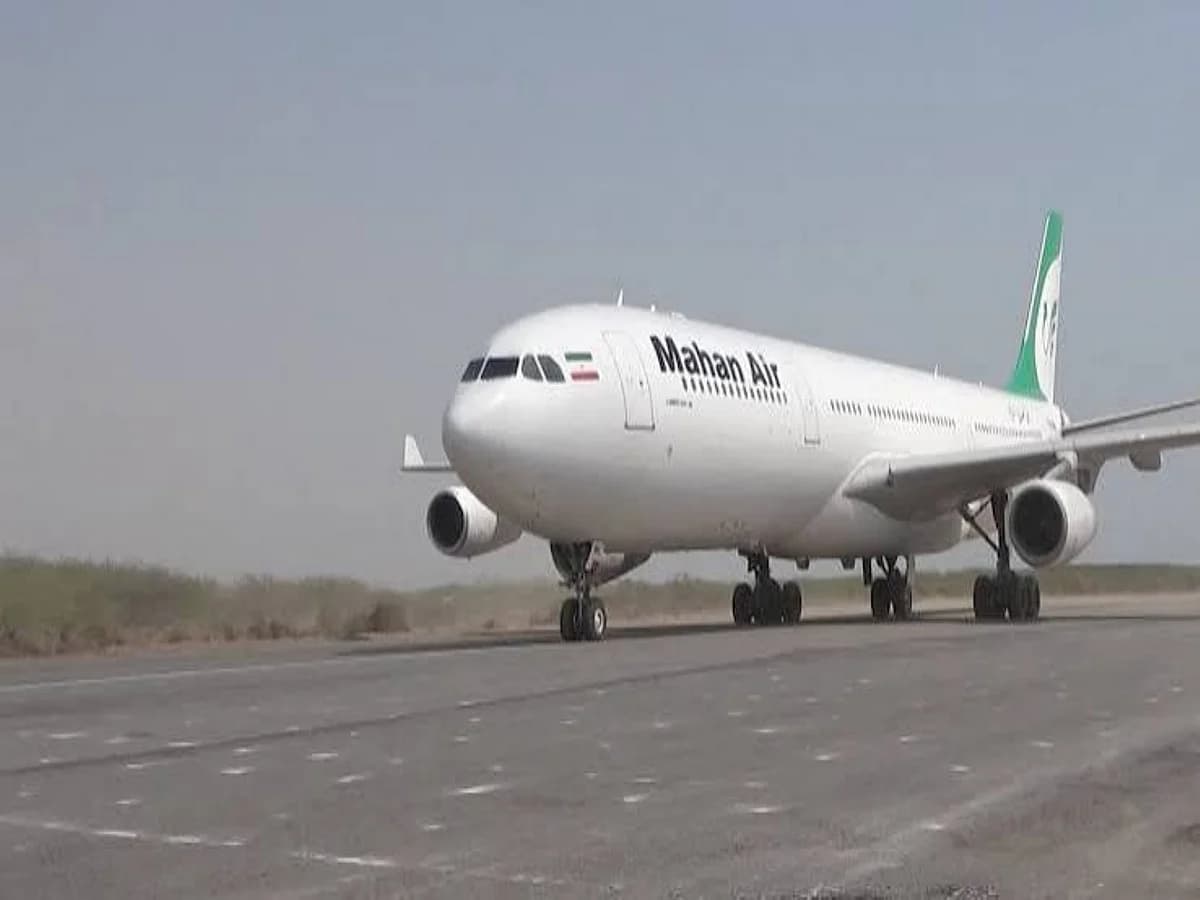
Here's what it means for you.
If you rely on air travel between Dubai and Iran, expect significant disruptions and increased costs.
Why it matters
These sanctions further isolate Iran's aviation sector, impacting regional trade and travel dynamics.
What happened (in 30 seconds)
- On September 8, 2026, the U.S. sanctioned all 27 remaining Iranian airlines as part of Operation Economic Outcast.
- The sanctions target networks allegedly involved in transporting weapons and illicit cargo, restricting access to aircraft parts.
- Treasury Secretary Scott Bessent warned that businesses engaging with these airlines risk exclusion from the U.S. financial system.
The context you actually need
- This action builds on previous sanctions, particularly against Mahan Air, which has been designated since 2011 for supporting military operations.
- The sanctions coincide with rising tensions in the Strait of Hormuz, a critical shipping route for global oil supplies.
- Iranian officials have dismissed the sanctions, claiming they will not affect their operations, despite the potential for increased isolation.
What's really happening
The U.S. sanctions on Iranian airlines represent a strategic escalation in the ongoing conflict between the U.S. and Iran, particularly in the context of military and economic pressures. The sanctions are part of a broader campaign initiated in February 2026, aimed at curbing Iran's influence in the region and its military capabilities. By targeting the aviation sector, the U.S. seeks to disrupt Iran's logistical networks that allegedly facilitate the transport of weapons and personnel for military operations.
The sanctions specifically affect 27 Iranian airlines, including major carriers like Iran Air and Mahan Air, which have been under scrutiny for years due to their connections with the Islamic Revolutionary Guard Corps (IRGC). The U.S. Treasury's Office of Foreign Assets Control (OFAC) has identified these airlines as integral to Iran's military logistics, thus justifying the sanctions as a means to limit Iran's operational capabilities.
The implications of these sanctions extend beyond immediate economic impacts. By restricting access to aircraft parts and international financing, the U.S. aims to cripple the operational capacity of these airlines, making it difficult for them to maintain their fleets or expand their services. This could lead to a significant reduction in air traffic between Iran and key regional hubs, such as Dubai, which serves as a vital gateway for trade and travel.
Moreover, the sanctions also target foreign intermediaries in countries like the UAE, Turkey, and Malaysia, which have been accused of facilitating aircraft procurement for Iranian airlines. This broadens the scope of the sanctions, potentially affecting international businesses that engage with these intermediaries. The warning from Treasury Secretary Bessent highlights the risks for companies that continue to do business with the sanctioned entities, as they may face repercussions in the U.S. financial system.
As the situation evolves, the effectiveness of these sanctions will depend on the response from Iran and its allies. While Iranian officials have downplayed the impact, the long-term isolation of Iranian carriers from international banking and maintenance services could lead to operational challenges that may not be easily dismissed.
Who feels it first (and how)
- Airlines and travel agencies: Increased operational costs and reduced flight availability.
- Businesses relying on trade with Iran: Disruptions in logistics and supply chains.
- Passengers traveling between Dubai and Iran: Higher fares and fewer flight options.
- Foreign intermediaries: Potential loss of business due to sanctions on Iranian airlines.
What to watch next
- Air traffic patterns: Monitor changes in flight availability and routes from Dubai to Iran, as sanctions take effect.
- Iran's response: Watch for any retaliatory measures or counter-sanctions from Iran that could escalate tensions.
- International business reactions: Observe how foreign companies adjust their operations in response to the sanctions and the risks involved.
The U.S. has sanctioned all remaining Iranian airlines.
Increased operational challenges for Iranian airlines and potential retaliatory measures from Iran.
The long-term effectiveness of these sanctions in altering Iran's military logistics and regional influence.
Frequently Asked Questions
- Why it matters?
- These sanctions further isolate Iran's aviation sector, impacting regional trade and travel dynamics.
- What happened (in 30 seconds)?
- On September 8, 2026, the U.S. sanctioned all 27 remaining Iranian airlines as part of Operation Economic Outcast. The sanctions target networks allegedly involved in transporting weapons and illicit cargo, restricting access to aircraft parts. Treasury Secretary Scott Bessent warned that businesses engaging with these airlines risk exclusion from the U.S. financial system.
- What's really happening?
- The U.S. sanctions on Iranian airlines represent a strategic escalation in the ongoing conflict between the U.S. and Iran, particularly in the context of military and economic pressures. The sanctions are part of a broader campaign initiated in February 2026, aimed at curbing Iran's influence in the region and its military capabilities. By targeting the aviation sector, the U.S. seeks to disrupt Iran's logistical networks that allegedly facilitate the transport of weapons and personnel for milit
- Who feels it first (and how)?
- Airlines and travel agencies: Increased operational costs and reduced flight availability. Businesses relying on trade with Iran: Disruptions in logistics and supply chains. Passengers traveling between Dubai and Iran: Higher fares and fewer flight options. Foreign intermediaries: Potential loss of business due to sanctions on Iranian airlines.
- What to watch next?
- Air traffic patterns: Monitor changes in flight availability and routes from Dubai to Iran, as sanctions take effect. Iran's response: Watch for any retaliatory measures or counter-sanctions from Iran that could escalate tensions. International business reactions: Observe how foreign companies adjust their operations in response to the sanctions and the risks involved.
Global news coverage with extensive reporting on Middle Eastern conflicts and geopolitics.
"Al Jazeera is a Qatar-based broadcaster known for wide regional coverage and alternative perspectives."
— A47 Editor
US increases pressure on Iran with sanctions targeting aviation sector
The Trump administration has intensified its economic pressure on Iran by imposing new sanctions targeting the aviation sector, as part of a broader strategy to isolate Tehran economically. These measures are intended to further cripple Iran's econom...
Comprehensive coverage of Middle Eastern and global issues.
"Al Jazeera is a prominent voice from the Global South, especially the Middle East, with an emphasis on underreported stories."
— A47 Editor
US increases pressure on Iran with sanctions targeting aviation sector
The Trump administration has intensified its economic pressure on Iran by imposing new sanctions targeting the aviation sector, as part of a broader strategy to isolate Tehran economically. These measures are intended to further cripple Iran's econom...
UAE-based newspaper covering Gulf politics, society, and international developments.
"Gulf News is one of the UAE’s most prominent English-language publications."
— A47 Editor
US sanctions all remaining Iranian airlines in bid to squeeze Tehran as tensions rise over Hormuz
The United States has imposed sanctions on all remaining Iranian airlines as part of its strategy to increase pressure on Tehran amid escalating tensions in the Strait of Hormuz. This move follows a series of military confrontations, including recent...
A curated Gulf News feed featuring major stories across news, business, opinion, and lifestyle.
"Gulf News is a major UAE newspaper whose featured stories feed reflects a broad editorial mix shaped for a Gulf audience."
— A47 Editor
US sanctions all remaining Iranian airlines in bid to squeeze Tehran as tensions rise over Hormuz
The United States has imposed sanctions on all remaining Iranian airlines as part of its strategy to increase pressure on Tehran amid escalating tensions in the Strait of Hormuz. This move follows a series of military confrontations, including recent...
Major U.S. developments and regional news.
"ABC News delivers broad national coverage with a mainstream editorial stance, focusing on accessibility and balanced reporting."
— A47 Editor
US hits remaining parts of Iran's aviation sector with sanctions in latest move to isolate Tehran
The Trump administration has imposed sanctions on the remaining parts of Iran's aviation sector, marking a significant escalation in efforts to economically isolate Tehran. This move is part of a broader strategy to disrupt Iran's economic activities...