
Saudi Arabia Strengthens Global Alliances Under King Salman
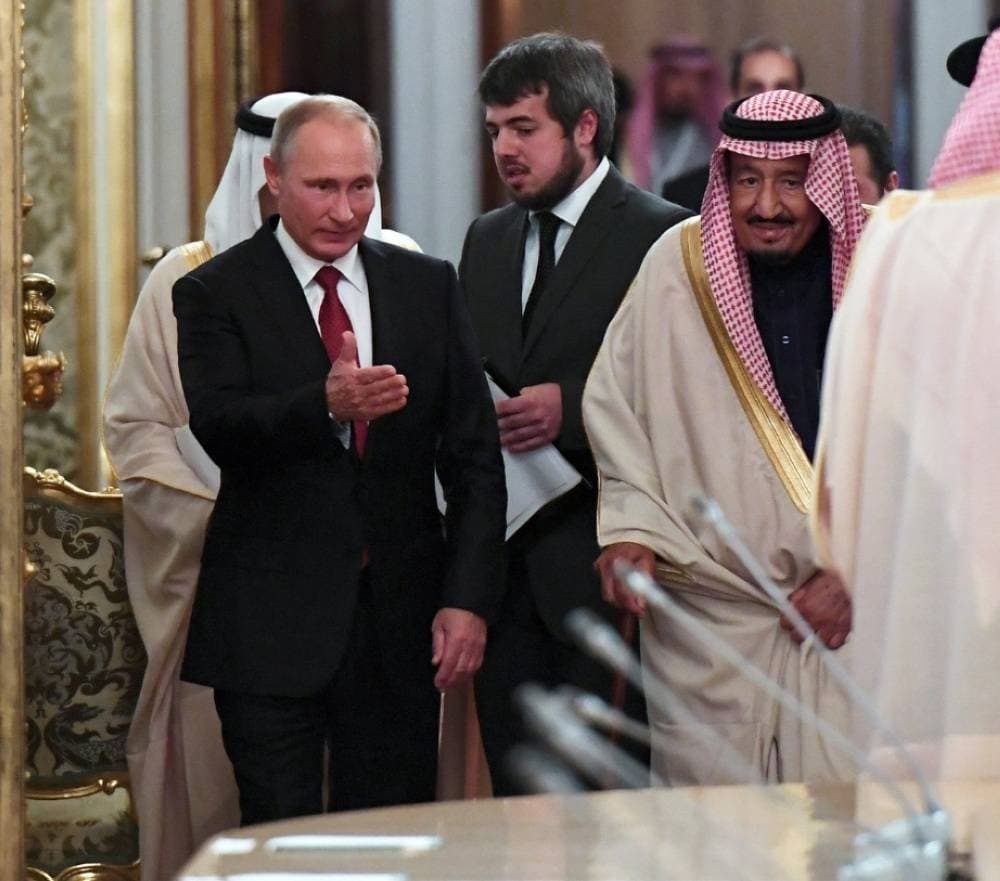
Why it matters
Saudi Arabia's strategic alliances are reshaping geopolitical dynamics, impacting global energy prices and security frameworks.
What happened (in 30 seconds)
- King Salman’s reign has seen Saudi Arabia transition from a reactive to a proactive foreign policy since 2015.
- Diversified alliances now include partnerships with Pakistan, Turkey, the U.S., France, China, and Russia, enhancing Saudi leverage.
- Vision 2030 underpins this strategy, promoting economic diversification and reducing dependency on any single global power.
The context you actually need
- Prior to 2015, Saudi Arabia relied heavily on the U.S. for security, particularly against Iranian influence in the region.
- Operation Decisive Storm in Yemen marked a significant shift, showcasing Saudi Arabia's willingness to take military action and assert its influence.
- Economic diversification has led to a GDP milestone of $1 trillion in 2022, reflecting the Kingdom's efforts to reduce reliance on oil revenues.
What's really happening
Under King Salman bin Abdulaziz, Saudi Arabia has undergone a significant transformation in its foreign policy approach, evolving from a cautious, U.S.-dependent stance to a more assertive and diversified strategy. This shift began with the military intervention in Yemen in 2015, which not only marked a departure from previous policies but also set the stage for a broader reconfiguration of alliances.
The Kingdom's current foreign policy is characterized by a multi-vector approach, where partnerships are built on pragmatic interests rather than ideological alignments. This is evident in Saudi Arabia's deepened ties with Pakistan, which serve as a strategic counterbalance in the region, particularly given Pakistan's nuclear capabilities. The rapprochement with Turkey, once strained, has also been pivotal, focusing on economic and defense cooperation that enhances both nations' regional influence.
Relations with the United States have been recalibrated to emphasize mutual interests, moving away from a purely dependent relationship. This shift allows Saudi Arabia to engage more flexibly with other global powers, including France, which has become a key partner in arms and nuclear cooperation, and China and Russia, with whom Saudi Arabia has strengthened ties in energy markets and geopolitical coordination.
The Kingdom's Vision 2030 initiative plays a crucial role in this strategy, aiming to diversify the economy and reduce oil dependency. The achievement of a $1 trillion GDP milestone in 2022 underscores the success of these efforts, providing the economic foundation necessary for a more independent foreign policy. This diversification not only enhances Saudi Arabia's bargaining power but also positions it as a pivotal player in global energy markets, capable of influencing prices and supply chains.
As Saudi Arabia continues to navigate this complex web of alliances, it prioritizes flexibility and avoids exclusive alignment with any single global power. This approach allows the Kingdom to leverage its Islamic leadership and economic resources while maintaining a balanced engagement strategy amid the rising multipolarity of global politics.
Who feels it first (and how)
- Energy sector: Companies and investors in oil and gas will see shifts in pricing and supply dynamics.
- Security firms: Increased demand for security services as Saudi Arabia expands its military partnerships.
- Regional businesses: Firms in Dubai and neighboring countries may benefit from enhanced trade and investment flows due to Saudi initiatives.
What to watch next
- Energy market fluctuations: Monitor how Saudi Arabia's alliances impact global oil prices and supply chains.
- Diplomatic engagements: Watch for new partnerships or agreements that could further shift regional power balances.
- Economic indicators: Keep an eye on Saudi GDP growth and diversification efforts as they signal the effectiveness of Vision 2030.
Saudi Arabia's foreign policy has shifted to a multi-vector approach.
Continued expansion of partnerships with non-Western powers will reshape regional dynamics.
The long-term impact of these alliances on global energy markets remains to be seen.
Frequently Asked Questions
- Why it matters?
- Saudi Arabia's strategic alliances are reshaping geopolitical dynamics, impacting global energy prices and security frameworks.
- What happened (in 30 seconds)?
- King Salman’s reign has seen Saudi Arabia transition from a reactive to a proactive foreign policy since 2015. Diversified alliances now include partnerships with Pakistan, Turkey, the U.S., France, China, and Russia, enhancing Saudi leverage. Vision 2030 underpins this strategy, promoting economic diversification and reducing dependency on any single global power.
- What's really happening?
- Under King Salman bin Abdulaziz, Saudi Arabia has undergone a significant transformation in its foreign policy approach, evolving from a cautious, U.S.-dependent stance to a more assertive and diversified strategy. This shift began with the military intervention in Yemen in 2015, which not only marked a departure from previous policies but also set the stage for a broader reconfiguration of alliances. The Kingdom's current foreign policy is characterized by a multi-vector approach, where partne
- Who feels it first (and how)?
- Energy sector: Companies and investors in oil and gas will see shifts in pricing and supply dynamics. Security firms: Increased demand for security services as Saudi Arabia expands its military partnerships. Regional businesses: Firms in Dubai and neighboring countries may benefit from enhanced trade and investment flows due to Saudi initiatives.
- What to watch next?
- Energy market fluctuations: Monitor how Saudi Arabia's alliances impact global oil prices and supply chains. Diplomatic engagements: Watch for new partnerships or agreements that could further shift regional power balances. Economic indicators: Keep an eye on Saudi GDP growth and diversification efforts as they signal the effectiveness of Vision 2030.
Arabic-language coverage of political affairs and current events.
"Okaz political coverage typically follows mainstream Saudi framing on national and regional affairs."
— A47 Editor
في عهد الملك سلمان.. السعودية تعيد صياغة ثقلها داخل البيت العربي
Under King Salman bin Abdulaziz Al Saud's leadership, Saudi Arabia has redefined its role within the Arab world, focusing on enhancing the Arab League's capacity to address complex regional crises, including those in Palestine, Sudan, Yemen, and Leba...
Coverage of political affairs and regional developments from a Saudi perspective.
"Al Watan political coverage typically follows a mainstream Saudi framing of regional and national issues."
— A47 Editor
تحالفات وتوازنات ترسخ الثقل السعودي
The past 12 years under King Salman bin Abdulaziz have marked a significant shift in Saudi Arabia's decision-making philosophy, transitioning from a cautious regional player to a proactive force in international balance. This transformation began wit...
Arabic-language reporting focused on Saudi domestic affairs and current events.
"Al Watan is a mainstream Saudi newspaper with strong domestic coverage and a broad general-news profile."
— A47 Editor
هيبة وقوة سياسية ودبلوماسية مؤثرة
Over the past 12 years under King Salman bin Abdulaziz, Saudi Arabia has redefined its political presence in a turbulent region and a rapidly changing world, shifting from a position of influence to one that actively shapes events to promote stabilit...