
Houthi forces capture key coastal areas in Yemen disrupting Red Sea shipping
Increased shipping costs and delays could impact your supply chain and trade routes.
Why it matters
The ongoing conflict in Yemen threatens vital shipping lanes, affecting global trade and energy markets.
What happened (in 30 seconds)
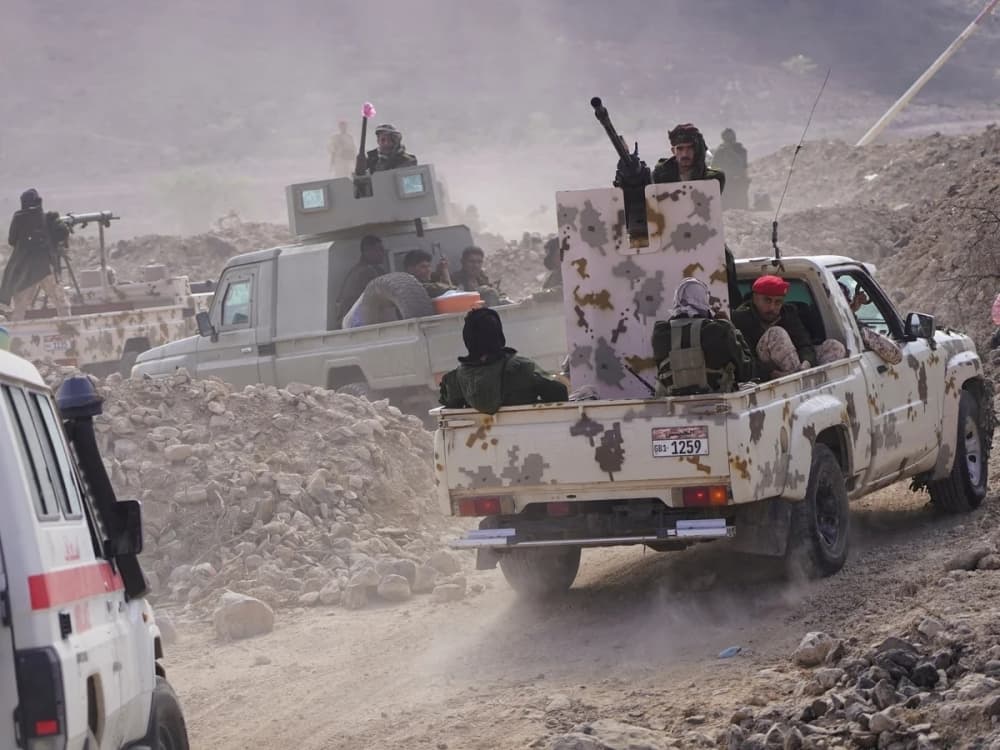
- Houthi forces launched a rapid offensive along Yemen's western coast, capturing key areas including Mocha and Perim Island.
- Saudi-backed Yemeni government forces executed tactical withdrawals while attempting counteroffensives in other regions.
- Shipping traffic through the Bab al-Mandab Strait has significantly declined, raising concerns over global trade disruptions.
The context you actually need
- The Yemeni civil war has been ongoing since 2014, with the Houthis controlling northern Yemen and receiving Iranian support.
- In July 2026, the Houthis declared a maritime embargo on Saudi shipping, escalating tensions in the region.
- Prior Houthi attacks on shipping routes had already diverted traffic, compounding the current crisis.
What's really happening
The recent Houthi offensive, which intensified around September 10, 2026, marks a significant escalation in the Yemeni civil war, with implications that extend far beyond the immediate conflict. The Houthis, aligned with Iran, have strategically seized control of coastal districts, including the critical Mocha port and Perim Island, which overlook the Bab al-Mandab Strait—a crucial maritime chokepoint for global shipping.
This offensive is not merely a territorial gain; it represents a calculated move to disrupt maritime navigation through one of the world's busiest shipping lanes. The Bab al-Mandab Strait connects the Red Sea to the Gulf of Aden, facilitating the transit of goods between Europe, Asia, and the Middle East. With the Houthis now positioned to potentially interdict shipping traffic, the implications for global trade are profound.
The Saudi-backed Yemeni government forces, facing significant territorial losses, have resorted to tactical withdrawals to protect civilians and regroup. This has led to the formation of the Tihama Resistance Force, which aims to counter Houthi advances. However, the ongoing clashes have resulted in substantial civilian displacement, with approximately 125,000 people fleeing from Taiz and Hodeidah toward safer areas like Lahj and Aden.
The situation is further complicated by the broader regional dynamics, particularly the escalating U.S.-Iran conflict. The Houthis' maritime embargo on Saudi shipping, declared in July 2026, was a direct response to perceived blockades and regional hostilities. This context is critical, as it highlights the Houthis' strategic use of maritime threats to leverage their position in the ongoing conflict.
As the Houthis consolidate their gains, international shipping companies are already feeling the impact. Reports indicate a sharp decline in vessel transits through the Bab al-Mandab Strait, with only 11 vessels recorded on a single day. This disruption is likely to elevate war-risk premiums and contribute to oil price volatility, as shipping routes become increasingly perilous.
The combination of military advances and the potential for further escalation poses a significant risk to global supply chains, particularly for countries reliant on the Red Sea for trade. The situation is fluid, and the outcomes will depend on the responses from regional powers and international stakeholders.
Who feels it first (and how)
- Shipping companies: Increased costs and rerouting delays will affect profitability and operational efficiency.
- Energy markets: Oil price volatility may impact consumers and businesses reliant on stable energy prices.
- Global trade sectors: Industries dependent on timely shipping will face disruptions, leading to potential shortages and increased prices.
What to watch next
- Shipping traffic data: Monitor changes in vessel transits through the Bab al-Mandab Strait to gauge the impact on global trade.
- Military developments: Watch for further Houthi advances or counteroffensives by Yemeni government forces, which could shift the balance of power.
- International responses: Pay attention to how regional and global powers react, particularly regarding sanctions or military support.
Houthi forces have gained significant territory along Yemen's western coast.
Shipping costs will rise due to increased war-risk premiums and potential rerouting.
The long-term stability of the Bab al-Mandab Strait and its impact on global trade remains uncertain.
Frequently Asked Questions
- Why it matters?
- The ongoing conflict in Yemen threatens vital shipping lanes, affecting global trade and energy markets.
- What happened (in 30 seconds)?
- Houthi forces launched a rapid offensive along Yemen's western coast, capturing key areas including Mocha and Perim Island. Saudi-backed Yemeni government forces executed tactical withdrawals while attempting counteroffensives in other regions. Shipping traffic through the Bab al-Mandab Strait has significantly declined, raising concerns over global trade disruptions.
- What's really happening?
- The recent Houthi offensive, which intensified around September 10, 2026, marks a significant escalation in the Yemeni civil war, with implications that extend far beyond the immediate conflict. The Houthis, aligned with Iran, have strategically seized control of coastal districts, including the critical Mocha port and Perim Island, which overlook the Bab al-Mandab Strait—a crucial maritime chokepoint for global shipping. This offensive is not merely a territorial gain; it represents a calculat
- Who feels it first (and how)?
- Shipping companies: Increased costs and rerouting delays will affect profitability and operational efficiency. Energy markets: Oil price volatility may impact consumers and businesses reliant on stable energy prices. Global trade sectors: Industries dependent on timely shipping will face disruptions, leading to potential shortages and increased prices.
- What to watch next?
- Shipping traffic data: Monitor changes in vessel transits through the Bab al-Mandab Strait to gauge the impact on global trade. Military developments: Watch for further Houthi advances or counteroffensives by Yemeni government forces, which could shift the balance of power. International responses: Pay attention to how regional and global powers react, particularly regarding sanctions or military support.
Arabic-language coverage of Saudi, regional, and international affairs.
"Al Bilad offers mainstream Saudi newspaper coverage across domestic and broader Arab topics."
— A47 Editor
تصعيد يهدد باب المندب.. القوات اليمنية تضرب مواقع الحوثيين غرب تعز
Yemeni armed forces conducted strikes targeting Houthi militia positions in the Al-Kadah front west of Taiz province, marking a significant escalation in the region amid increasing Houthi military movements along the western coast and rising threats ...
Arabic-language coverage of political affairs and current events.
"Okaz political coverage typically follows mainstream Saudi framing on national and regional affairs."
— A47 Editor
مأرب تفتك بالحوثيين.. والجيش يعزز جاهزيته لحماية باب المندب
Dozens of Houthi fighters were reported killed in ongoing clashes in the southern fronts of Marib, with the Yemeni army releasing graphic footage of casualties left in the desert. A military source indicated that the militia is coercing hundreds of y...
Coverage of political affairs and regional developments from a Saudi perspective.
"Al Watan political coverage typically follows a mainstream Saudi framing of regional and national issues."
— A47 Editor
إرهاب الحوثي يخنق الملاحة في الساحل الغربي
The Yemeni theater is experiencing a significant military escalation due to a reckless offensive launched by the Houthi militia across multiple combat fronts, threatening regional and international security and disrupting one of the world's crucial m...