
Human-Caused Warming Linked to August 2026 Himalayan Floods
Why it matters
The floods underscore the escalating risks of climate change, affecting economies and communities far beyond the immediate disaster zone.
What happened (in 30 seconds)
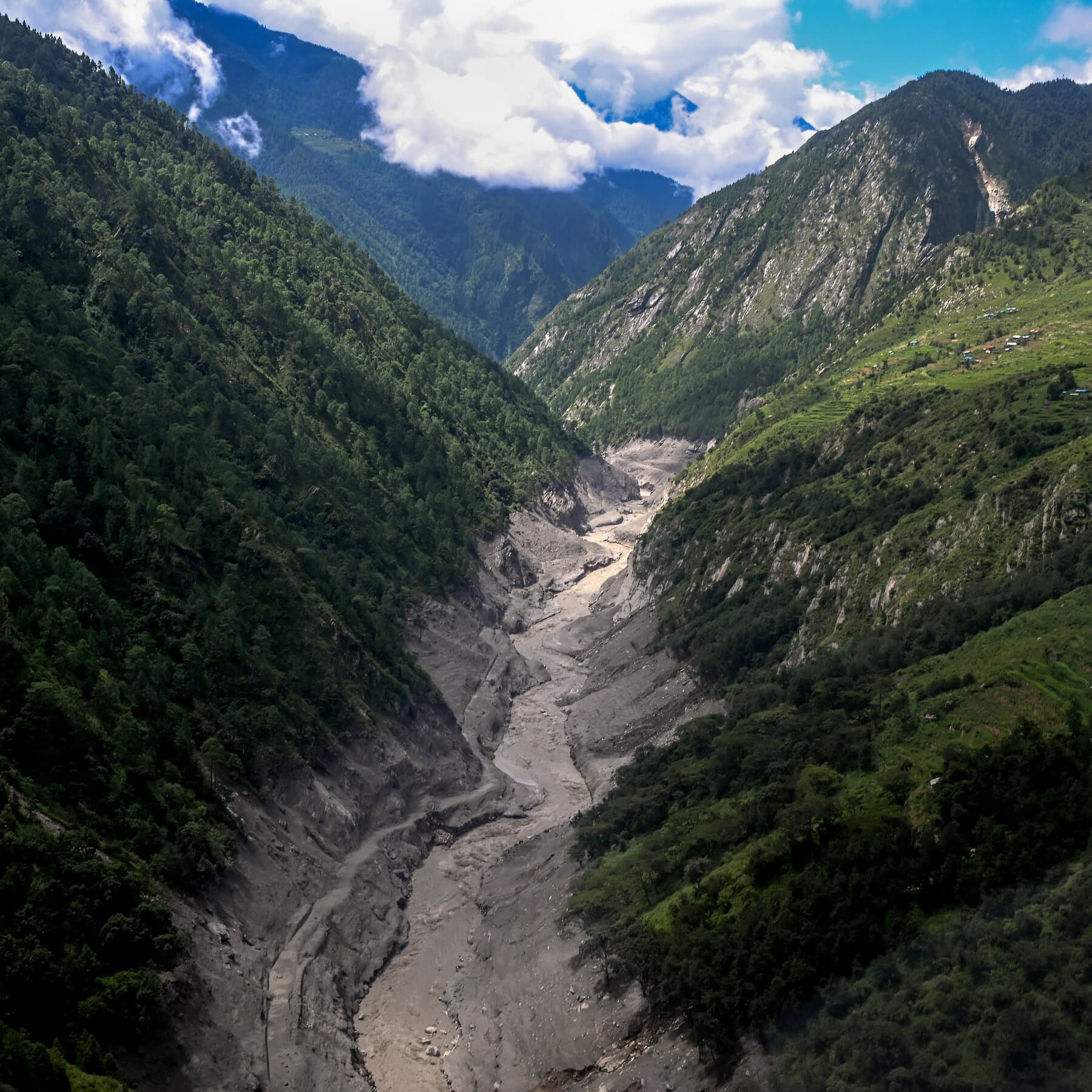
- On August 26, 2026, a rock and ice collapse on Langtang Lirung mountain triggered devastating flash floods along the Nepal-Tibet border.
- A World Weather Attribution report released on September 16, 2026, linked the disaster to human-caused warming, raising regional temperatures by 1.5–2°C.
- The floods resulted in over 1,300 deaths and caused an estimated $5 billion in recovery costs for Nepal, disrupting regional markets and infrastructure.
The context you actually need
- The Himalayas are warming faster than the global average, leading to increased permafrost thaw and glacier retreat.
- The 2015 Nepal earthquake may have destabilized slopes, compounding the risks of geohazards in the region.
- Climate-driven disasters are becoming more frequent, necessitating urgent international climate finance and loss-and-damage funding.
What's really happening
The August 26, 2026, disaster was not just a random event; it was a culmination of long-term climatic changes exacerbated by human activity. The World Weather Attribution report established a "very strong" link between the floods and anthropogenic climate change, attributing the destabilization of permafrost and glaciers to a rise in regional temperatures of approximately 1.5–2°C. This warming has been accelerating since the 1980s, with the Himalayas experiencing temperature increases that outpace global averages.
The collapse of a massive section of rock and ice—approximately 200,000 square meters—was a direct consequence of these climatic shifts. As temperatures rise, permafrost thaws, and glaciers recede, the structural integrity of mountain slopes diminishes, leading to increased risks of avalanches and landslides. The 2015 earthquake further destabilized the region, creating conditions ripe for cascading geohazards.
The immediate aftermath saw significant destruction: infrastructure, including bridges and hydropower facilities, was obliterated, and vital border crossings were rendered inoperable. The Nepalese government has since formed a seven-member expert committee to investigate the causes and recommend future protections. This committee's findings will be crucial for shaping Nepal's requests for international climate finance, as the country seeks to recover from the disaster and prepare for future risks.
The implications extend beyond Nepal. As climate change continues to destabilize environments globally, similar disasters could occur in other mountainous regions, affecting communities and economies worldwide. The interconnectedness of global markets means that disruptions in one area can have ripple effects, impacting trade and supply chains far from the epicenter of the disaster.
Who feels it first (and how)
- Local communities: Directly impacted by loss of life, homes, and livelihoods.
- Infrastructure sectors: Companies involved in construction and energy face increased risks and potential losses.
- International aid organizations: Increased demand for humanitarian assistance and disaster recovery funding.
- Governments: Need to allocate resources for disaster preparedness and climate adaptation strategies.
- Investors: Heightened awareness of climate risks may affect investment strategies and insurance costs.
What to watch next
- International climate finance discussions: Watch for Nepal's requests for funding to support recovery and adaptation efforts, which could set precedents for other nations.
- Research on glacial movements: Ongoing studies, such as those by Khalifa University, may lead to early-warning systems that could mitigate future risks in high-mountain environments.
- Regional trade and market recovery: Monitor how disruptions in border trade impact local economies and whether recovery efforts are effective.
Over 1,300 confirmed deaths and significant infrastructure damage in Nepal.
Increased international focus on climate finance and disaster preparedness in vulnerable regions.
The long-term economic impacts on Nepal and surrounding regions as recovery efforts unfold.
Frequently Asked Questions
- Why it matters?
- The floods underscore the escalating risks of climate change, affecting economies and communities far beyond the immediate disaster zone.
- What happened (in 30 seconds)?
- On August 26, 2026, a rock and ice collapse on Langtang Lirung mountain triggered devastating flash floods along the Nepal-Tibet border. A World Weather Attribution report released on September 16, 2026, linked the disaster to human-caused warming, raising regional temperatures by 1.5–2°C. The floods resulted in over 1,300 deaths and caused an estimated $5 billion in recovery costs for Nepal, disrupting regional markets and infrastructure.
- What's really happening?
- The August 26, 2026, disaster was not just a random event; it was a culmination of long-term climatic changes exacerbated by human activity. The World Weather Attribution report established a "very strong" link between the floods and anthropogenic climate change, attributing the destabilization of permafrost and glaciers to a rise in regional temperatures of approximately 1.5–2°C. This warming has been accelerating since the 1980s, with the Himalayas experiencing temperature increases that outpa
- Who feels it first (and how)?
- Local communities: Directly impacted by loss of life, homes, and livelihoods. Infrastructure sectors: Companies involved in construction and energy face increased risks and potential losses. International aid organizations: Increased demand for humanitarian assistance and disaster recovery funding. Governments: Need to allocate resources for disaster preparedness and climate adaptation strategies. Investors: Heightened awareness of climate risks may affect investment strategies and insur
- What to watch next?
- International climate finance discussions: Watch for Nepal's requests for funding to support recovery and adaptation efforts, which could set precedents for other nations. Research on glacial movements: Ongoing studies, such as those by Khalifa University, may lead to early-warning systems that could mitigate future risks in high-mountain environments. Regional trade and market recovery: Monitor how disruptions in border trade impact local economies and whether recovery efforts are effective
International coverage from The Guardian's global desks.
"The Guardian is known for its progressive editorial stance and in-depth analysis."
— A47 Editor
Climate crisis likely behind devastating Nepal-Tibet floods that killed more than 1,300, first study finds
A catastrophic flood struck the Nepal-Tibet border following the collapse of a glacier, resulting in over 1,300 confirmed deaths and widespread destruction. Scientists attribute the glacier's instability to climate change, which created unusually war...
Scientific research, space, environment, and health coverage.
"The New York Times is a globally recognized newspaper offering authoritative reporting with a center-left editorial stance."
— A47 Editor
Human-Caused Warming Played ‘Very Strong’ Role in Himalayan Floods, Report Finds
A recent report has concluded that human-caused warming played a significant role in the catastrophic floods that struck Nepal, particularly affecting the Bhote Koshi River. The rising temperatures destabilized permafrost and ice, contributing to the...
Political, social, and economic news across Asia and the Pacific.
"France 24 is viewed as a globally focused outlet with balanced coverage and a European perspective."
— A47 Editor
Climate catastrophe leaves Nepal mourning while the search for the missing continues
A catastrophic flash flood struck northern Nepal on August 26, resulting from a glacier collapse, leading to unprecedented destruction. The disaster has claimed nearly 1,400 lives, with over 5,130 individuals still reported missing, including around ...
Political, social, and economic news across Asia and the Pacific.
"France 24 is viewed as a globally focused outlet with balanced coverage and a European perspective."
— A47 Editor
Climate catastrophe leaves Nepal mourning while the search for the missing continues
A catastrophic flash flood struck northern Nepal on August 26, resulting from a glacier collapse, leading to widespread destruction and a rising death toll that has now reached nearly 1,400, with over 5,130 individuals still reported missing, includi...