
China Calls for Reopening of Strait of Hormuz in Diplomatic Talks with Iran
Why it matters
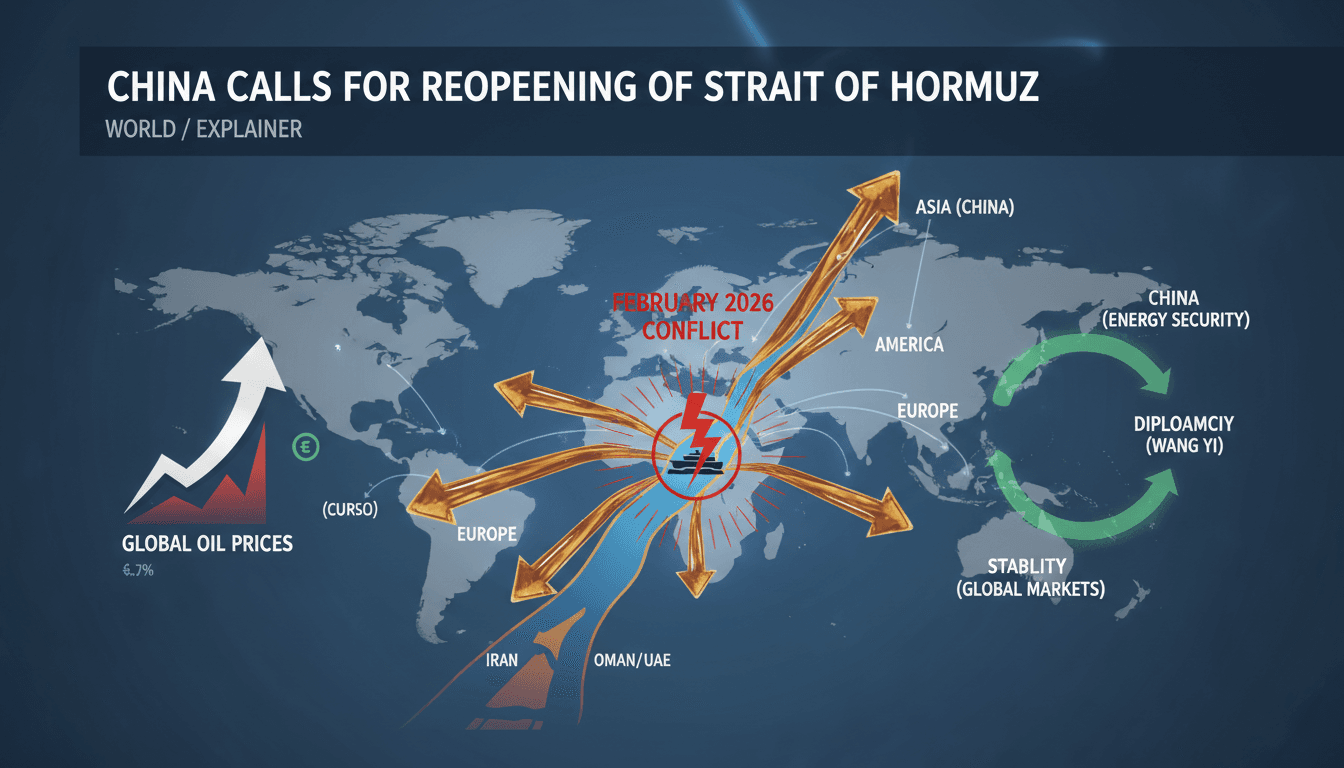
The Strait of Hormuz is a critical chokepoint for global oil and LNG shipments, affecting energy prices and supply chains worldwide.
What happened (in 30 seconds)
- China's Foreign Minister Wang Yi met with Iran's Foreign Minister Abbas Araghchi on September 16, 2026, to discuss reopening the Strait of Hormuz.
- The US-Iran conflict, which escalated in February 2026, has severely restricted shipping through the strait, with daily vessel transits plummeting from an average of 125 to as low as four.
- China, as Iran's primary oil buyer, is urging both nations to return to diplomatic negotiations to restore safe navigation and stabilize global oil supplies.
The context you actually need
- The US-Iran conflict began with military strikes and has led to a naval blockade, significantly impacting oil exports and global energy markets.
- China's economic ties with Iran are crucial, as it is the largest purchaser of Iranian oil, making its diplomatic efforts vital for regional stability.
- The Strait of Hormuz is responsible for approximately 20% of the world's crude oil and LNG shipments, making its security essential for global energy supply chains.
What's really happening
The diplomatic meeting on September 16, 2026, between Chinese Foreign Minister Wang Yi and Iranian Foreign Minister Abbas Araghchi highlights the escalating urgency surrounding the Strait of Hormuz, a vital maritime corridor for global energy supplies. The backdrop of this engagement is the ongoing US-Iran conflict, which has seen American and Israeli military actions against Iran since February 28, 2026. These actions have led to a naval blockade that has drastically reduced shipping traffic through the strait, with reports indicating that daily transits have fallen from an average of 125 large commercial vessels to as few as four on certain days.
China's call for the reopening of the Strait of Hormuz is not merely a diplomatic gesture; it reflects significant economic interests. As Iran's top oil buyer, China is acutely aware that continued disruptions could lead to increased global oil prices, affecting not only its energy security but also the broader global economy. The Chinese government has emphasized the need for both Tehran and Washington to exercise restraint and return to the June interim peace agreement, known as the Islamabad Memorandum of Understanding. This agreement is seen as a potential pathway to restoring stability in the region and ensuring the safe passage of vessels through the strait.
Iran, facing severe restrictions on its oil exports, has signaled a willingness to engage in diplomatic solutions while also asserting its sovereignty. The Iranian Foreign Minister's comments during the meeting indicated a preference for negotiations, alongside a commitment to defend national rights. This dual approach underscores the complexity of the situation, where economic necessity must be balanced against national pride and security.
The timing of these discussions is critical, occurring just one week before a highly anticipated summit between Chinese President Xi Jinping and former US President Donald Trump in Washington. Energy stability and regional security are expected to be key topics of discussion, with potential implications for sanctions and diplomatic relations. As the situation evolves, the interconnectedness of global energy markets means that any developments in the Strait of Hormuz will have far-reaching consequences.
Who feels it first (and how)
- Energy sector professionals: Increased oil prices and supply chain disruptions will directly impact operations and costs.
- Logistics and shipping companies: Restricted navigation will lead to delays and increased shipping costs.
- Consumers: Higher energy prices could translate to increased costs for goods and services, affecting household budgets.
What to watch next
- US-China leadership talks: The outcomes of the upcoming summit could influence sanctions and energy policies affecting Iran and the Strait of Hormuz.
- Shipping traffic reports: Monitoring daily vessel transits through the Strait of Hormuz will provide insights into the effectiveness of diplomatic efforts.
- Global oil price fluctuations: Watch for changes in oil prices as tensions evolve, which could signal broader economic impacts.
The Strait of Hormuz is critical for global oil and LNG shipments.
Continued diplomatic efforts will be made to stabilize the situation, but tensions may persist.
The long-term effects on global energy prices and supply chains remain uncertain.
Frequently Asked Questions
- Why it matters?
- The Strait of Hormuz is a critical chokepoint for global oil and LNG shipments, affecting energy prices and supply chains worldwide.
- What happened (in 30 seconds)?
- China's Foreign Minister Wang Yi met with Iran's Foreign Minister Abbas Araghchi on September 16, 2026, to discuss reopening the Strait of Hormuz. The US-Iran conflict, which escalated in February 2026, has severely restricted shipping through the strait, with daily vessel transits plummeting from an average of 125 to as low as four. China, as Iran's primary oil buyer, is urging both nations to return to diplomatic negotiations to restore safe navigation and stabilize global oil supplies.
- What's really happening?
- The diplomatic meeting on September 16, 2026, between Chinese Foreign Minister Wang Yi and Iranian Foreign Minister Abbas Araghchi highlights the escalating urgency surrounding the Strait of Hormuz, a vital maritime corridor for global energy supplies. The backdrop of this engagement is the ongoing US-Iran conflict, which has seen American and Israeli military actions against Iran since February 28, 2026. These actions have led to a naval blockade that has drastically reduced shipping traffic th
- Who feels it first (and how)?
- Energy sector professionals: Increased oil prices and supply chain disruptions will directly impact operations and costs. Logistics and shipping companies: Restricted navigation will lead to delays and increased shipping costs. Consumers: Higher energy prices could translate to increased costs for goods and services, affecting household budgets.
- What to watch next?
- US-China leadership talks: The outcomes of the upcoming summit could influence sanctions and energy policies affecting Iran and the Strait of Hormuz. Shipping traffic reports: Monitoring daily vessel transits through the Strait of Hormuz will provide insights into the effectiveness of diplomatic efforts. Global oil price fluctuations: Watch for changes in oil prices as tensions evolve, which could signal broader economic impacts.
Regional coverage and analysis focused on politics, diplomacy, and business across the Middle East.
"Al-Monitor is known for analytical reporting on Middle East politics and policy developments."
— A47 Editor
China presses Iran, US to reopen Hormuz as disruptions threaten oil supply
China has urged both Iran and the United States to reopen the Strait of Hormuz, a critical maritime corridor for oil shipments, as disruptions threaten the supply of Iranian crude and Saudi oil. The closure of key routes due to escalating regional co...
Arabic-language coverage of political affairs and current events.
"Okaz political coverage typically follows mainstream Saudi framing on national and regional affairs."
— A47 Editor
الصين تحذر إيران من تمدد الصراع للبحر الأحمر
China has urged both the United States and Iran to exercise wisdom and restraint, calling for a return to the Islamabad memorandum and meaningful consultations on mutual interests, according to Chinese Foreign Minister Wang Yi. He emphasized the need...
UAE-based English-language newspaper covering regional politics, economics, and global affairs.
"The National reflects Emirati policy perspectives while maintaining international editorial standards."
— A47 Editor
China urges reopening of Strait of Hormuz in talks with Iran's Araghchi
China has urged for the reopening of the Strait of Hormuz during discussions with Iranian Foreign Minister Abbas Araghchi, emphasizing the importance of freedom of navigation in this critical maritime corridor. This dialogue comes amid heightened ten...