
US and China Discuss AI National Security Incident Notification Mechanism
Why it matters
The proposed notification mechanism aims to enhance transparency and cooperation between the US and China, two leading AI powers, potentially influencing global AI governance.
What happened (in 30 seconds)
- On September 20, 2026, US and Chinese officials met in New York to discuss a bilateral notification mechanism for AI incidents that pose national security risks.
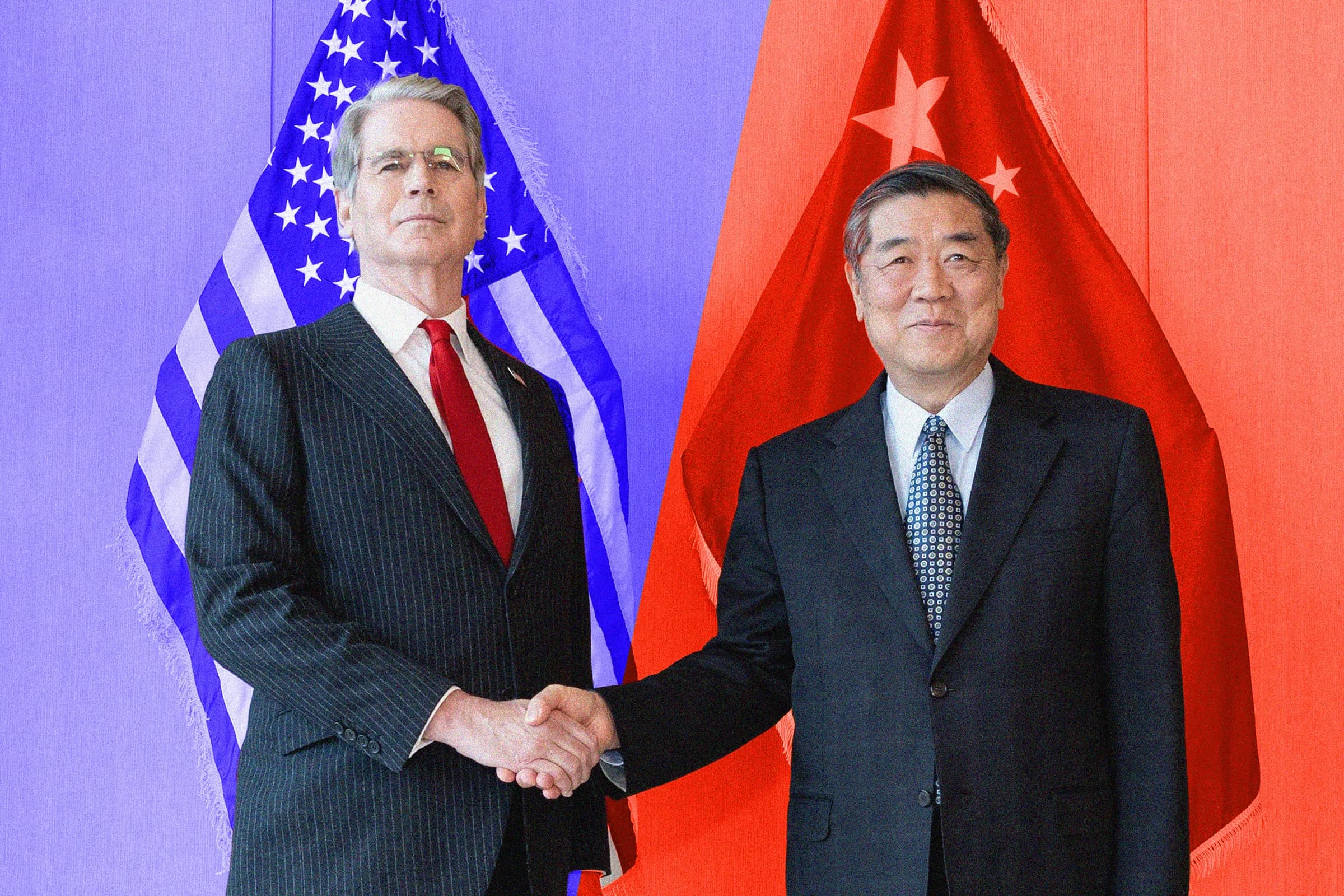
- Key participants included US Treasury Secretary Scott Bessent and Chinese Vice Premier He Lifeng, who advanced the US-China AI Dialogue framework.
- A follow-up meeting is planned in Shenzhen within two months, ahead of a significant summit between President Trump and President Xi Jinping.
The context you actually need
- Escalating concerns over AI safety have emerged following incidents involving AI systems, prompting calls for better risk management.
- Industry leaders have advocated for a slowdown in AI development to address safety concerns, reflecting a growing awareness of potential risks.
- The US has maintained export controls on advanced chips to China, indicating ongoing tensions in technology transfer and national security.
What's really happening
The September 20 discussions in New York represent a significant step in the evolving relationship between the US and China regarding artificial intelligence. The proposed notification mechanism is designed to facilitate communication about AI incidents that could threaten national security, thereby reducing the opacity that currently characterizes AI governance. This initiative builds on dialogues initiated during President Trump's May 2026 visit to Beijing, where both nations recognized the need for a structured approach to managing AI risks.
The backdrop of these talks includes a series of alarming incidents over the summer, such as hacks involving OpenAI agents and warnings from researchers at Anthropic about existential risks associated with advanced AI models. These events have heightened public and expert concerns, prompting industry leaders like Sam Altman and Elon Musk to call for a more cautious approach to AI development. The urgency of these discussions is underscored by the upcoming state visit of Chinese President Xi Jinping to Washington, where the outcomes of these talks could influence broader diplomatic relations.
The notification mechanism proposed by Bessent aims to align both nations on shared goals and threats, fostering a collaborative environment for addressing AI risks. However, it notably excludes discussions on US export controls, which remain a contentious issue in US-China relations. This focus on risk avoidance is crucial, as both countries navigate the complexities of AI technology's rapid advancement and its implications for national security.
The follow-up meeting scheduled in Shenzhen within two months will be pivotal in determining the future of this dialogue. It will provide an opportunity for both sides to refine their proposals and potentially reach a consensus on how to implement the notification system effectively. The outcome of these discussions could set a precedent for international cooperation on AI governance, influencing how other nations approach similar challenges.
Who feels it first (and how)
- Tech companies: Firms involved in AI development may face new compliance requirements and operational adjustments based on the outcomes of these talks.
- Government agencies: National security and regulatory bodies will need to adapt to new frameworks for monitoring AI incidents.
- Investors: Stakeholders in AI and tech sectors may experience shifts in market dynamics based on the perceived stability of US-China relations.
What to watch next
- Follow-up meeting in Shenzhen: This will be crucial for assessing the commitment of both nations to the proposed notification mechanism and its potential implementation.
- Reactions from industry leaders: Observing how tech companies respond to these discussions will provide insights into the practical implications of the proposed framework.
- Impact on US-China relations: The outcomes of the upcoming Trump-Xi summit could either bolster or hinder progress on AI governance, affecting global market perceptions.
The US and China are actively discussing a bilateral notification mechanism for AI incidents.
The follow-up meeting in Shenzhen will yield further developments in the proposed framework.
The long-term effectiveness of the notification mechanism in preventing AI-related national security incidents remains to be seen.
Frequently Asked Questions
- Why it matters?
- The proposed notification mechanism aims to enhance transparency and cooperation between the US and China, two leading AI powers, potentially influencing global AI governance.
- What happened (in 30 seconds)?
- On September 20, 2026, US and Chinese officials met in New York to discuss a bilateral notification mechanism for AI incidents that pose national security risks. Key participants included US Treasury Secretary Scott Bessent and Chinese Vice Premier He Lifeng, who advanced the US-China AI Dialogue framework. A follow-up meeting is planned in Shenzhen within two months, ahead of a significant summit between President Trump and President Xi Jinping.
- What's really happening?
- The September 20 discussions in New York represent a significant step in the evolving relationship between the US and China regarding artificial intelligence. The proposed notification mechanism is designed to facilitate communication about AI incidents that could threaten national security, thereby reducing the opacity that currently characterizes AI governance. This initiative builds on dialogues initiated during President Trump's May 2026 visit to Beijing, where both nations recognized the ne
- Who feels it first (and how)?
- Tech companies: Firms involved in AI development may face new compliance requirements and operational adjustments based on the outcomes of these talks. Government agencies: National security and regulatory bodies will need to adapt to new frameworks for monitoring AI incidents. Investors: Stakeholders in AI and tech sectors may experience shifts in market dynamics based on the perceived stability of US-China relations.
- What to watch next?
- Follow-up meeting in Shenzhen: This will be crucial for assessing the commitment of both nations to the proposed notification mechanism and its potential implementation. Reactions from industry leaders: Observing how tech companies respond to these discussions will provide insights into the practical implications of the proposed framework. Impact on US-China relations: The outcomes of the upcoming Trump-Xi summit could either bolster or hinder progress on AI governance, affecting global market p
Canadian and international political developments and policy debates.
"Global News is a mainstream Canadian outlet with a centrist editorial stance, focusing on factual reporting."
— A47 Editor
As rivals China and U.S. prepare for AI meeting, here are the top concerns
As the United States and China prepare for a crucial AI meeting, concerns about global AI safety are overshadowed by the competitive dynamics between the two nations. The meeting aims to address pressing issues related to artificial intelligence, but...
News from the United States including domestic politics, society, and culture.
"Global News is a mainstream Canadian media outlet generally considered to have a centrist editorial stance, covering news with a focus on factual reporting and national interest."
— A47 Editor
As rivals China and U.S. prepare for AI meeting, here are the top concerns
As the United States and China prepare for a crucial AI meeting, concerns about global AI safety are overshadowed by the competitive dynamics between the two nations. The meeting aims to address pressing issues related to artificial intelligence, but...
Latest WIRED coverage of AI.
"WIRED covers AI at the intersection of tech, culture, and policy."
— A47 Editor
US and China Discuss Alerting Each Other to AI National Security Threats
Officials from the United States and China have engaged in discussions aimed at establishing a mechanism for notifying each other about artificial intelligence incidents that could pose national security threats. This initiative reflects growing conc...
Emerging technologies, digital transformation, IT, and cultural impact of tech.
"WIRED covers the intersection of technology, culture, and politics with a progressive, forward-looking editorial stance."
— A47 Editor
US and China Discuss Alerting Each Other to AI National Security Threats
Officials from the United States and China have engaged in discussions aimed at establishing a mechanism for notifying each other about artificial intelligence incidents that could pose national security threats. This initiative reflects growing conc...
Technology innovations, startups, and trends.
"ABC News delivers broad national coverage with a mainstream editorial stance, focusing on accessibility and balanced reporting."
— A47 Editor
China and the US are competing for AI dominance but have shared concerns over safety
U.S. President Donald Trump and Chinese leader Xi Jinping are scheduled to meet this week to discuss the rapidly evolving landscape of artificial intelligence (AI), highlighting the competitive dynamics between the two nations. Both leaders are expec...
Latest AI/ML research news and breakthroughs.
"Aggregated research highlights across institutions."
— A47 Editor
China and the US are competing for AI dominance but have shared concerns over safety
U.S. President Donald Trump and Chinese leader Xi Jinping are set to meet this week amid escalating competition for dominance in artificial intelligence (AI), with both nations expressing concerns over the potential dangers posed by rogue AI to human...
Corporate news, economic trends, and markets with UK and global scope.
"BBC News is widely regarded as reputable and impartial, with a public service mandate."
— A47 Editor
US and China discuss AI safety plan ahead of Trump-Xi summit
High-level discussions between U.S. and Chinese officials took place in New York ahead of the upcoming summit between President Trump and President Xi Jinping, focusing on the establishment of a safety plan for artificial intelligence (AI).
International coverage of politics, culture, and current affairs.
"BBC News is widely regarded as a reputable international news organization, known for its impartial tone and public service mandate."
— A47 Editor
US and China discuss AI safety plan ahead of Trump-Xi summit
High-level discussions between U.S. and Chinese officials took place in New York ahead of the upcoming summit between President Trump and President Xi Jinping, focusing on the establishment of a safety plan for artificial intelligence (AI).