
Guterres Highlights Four Global Power Tests in Final UN Address
Why it matters
The interconnected challenges outlined by Guterres could redefine international relations and economic stability, affecting global markets and local economies.
What happened (in 30 seconds)
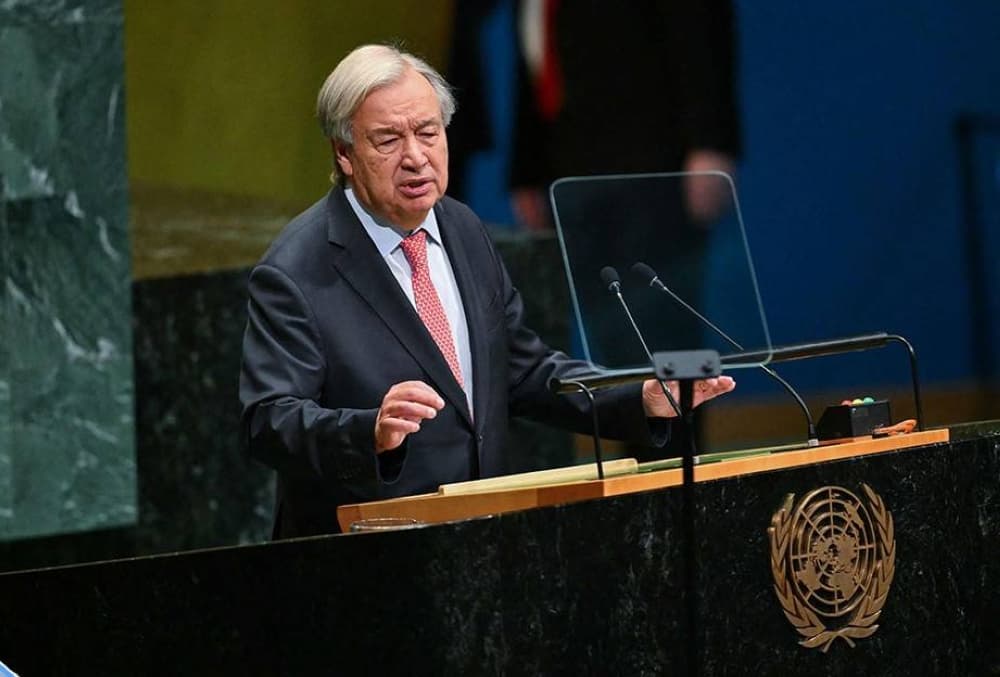
- António Guterres delivered his final address to the UN General Assembly on September 22, 2026, highlighting four critical tests of power.
- He warned of escalating global divisions and the urgent need for reform in multilateral mechanisms, particularly the UN Security Council.
- Guterres emphasized the importance of accountability in addressing issues of war, inequality, climate change, and artificial intelligence.
The context you actually need
- Global conflicts in regions like Gaza, Sudan, and Ukraine are intensifying, complicating international cooperation.
- Economic inequality is on the rise, with wealth concentration threatening social stability and global markets.
- Climate change is creating severe intergenerational inequities, necessitating urgent action and policy reform.
What's really happening
António Guterres' final address at the UN General Assembly serves as a stark reminder of the multifaceted challenges facing the world today. He identified four interconnected tests of power that are shaping humanity's future: war and peace, concentrated wealth and inequality, climate chaos, and artificial intelligence. Each of these tests not only reflects current global tensions but also highlights the systemic issues that threaten to fragment international cooperation.
The first test, power over war and peace, is particularly pressing. Guterres pointed to the catastrophic violence in Palestinian territories following the October 7, 2023, events, as well as the ongoing conflict in Sudan, which has led to widespread displacement and famine. These conflicts are exacerbated by external influences, illustrating the need for adherence to international law and a renewed commitment to the two-state solution. The erosion of multilateral mechanisms, such as the UN Security Council, further complicates efforts to address these crises effectively.
The second test focuses on economic power and the alarming concentration of wealth. Guterres highlighted how this growing inequality not only undermines social cohesion but also poses risks to global economic stability. As wealth becomes increasingly concentrated in the hands of a few, the potential for social unrest and economic disruption rises, making it imperative for nations to address these disparities.
Climate change represents the third test, with Guterres describing it as the most severe intergenerational inequity. The impacts of climate chaos are already being felt worldwide, from extreme weather events to resource scarcity. Guterres called for a transition away from fossil fuels and emphasized the need for climate justice, urging nations to take collective action to mitigate these risks.
Finally, the fourth test revolves around artificial intelligence. Guterres warned of the dangers posed by unaccountable technology and the urgent need for dialogue between major powers, particularly the US and China, to establish responsible governance frameworks. The rapid advancement of AI presents both opportunities and challenges, and without proper oversight, it could exacerbate existing inequalities and create new risks.
In summary, Guterres' address underscores the interconnected nature of these tests of power and the urgent need for global cooperation to address them. The call for reform of the UN Security Council reflects a recognition that the current international system is ill-equipped to handle the complexities of the 21st century. As these challenges continue to evolve, the implications for global cooperation and stability will be profound.
Who feels it first (and how)
- Global leaders: They must navigate the complexities of international relations and reform demands.
- Businesses in technology and finance: They will face regulatory changes and market shifts influenced by AI governance.
- Communities in conflict zones: They will experience the immediate impacts of war and instability.
- Environmental sectors: They will be affected by climate policies and investment in sustainable technologies.
What to watch next
- Calls for UN reform: Watch for increased pressure from member states to address the underrepresentation of regions like Africa in global governance.
- Investment in sustainable technologies: Monitor shifts in funding towards climate resilience and renewable energy as nations respond to Guterres' climate call.
- AI governance frameworks: Keep an eye on developments in international agreements regarding AI, particularly between the US and China, as these will shape the tech landscape.
Guterres identified four tests of power that are interconnected and critical for global cooperation.
There will be renewed calls for reform in multilateral institutions and increased focus on climate and AI governance.
The immediate economic impacts of these tests on global markets remain uncertain.
Frequently Asked Questions
- Why it matters?
- The interconnected challenges outlined by Guterres could redefine international relations and economic stability, affecting global markets and local economies.
- What happened (in 30 seconds)?
- António Guterres delivered his final address to the UN General Assembly on September 22, 2026, highlighting four critical tests of power. He warned of escalating global divisions and the urgent need for reform in multilateral mechanisms, particularly the UN Security Council. Guterres emphasized the importance of accountability in addressing issues of war, inequality, climate change, and artificial intelligence.
- What's really happening?
- António Guterres' final address at the UN General Assembly serves as a stark reminder of the multifaceted challenges facing the world today. He identified four interconnected tests of power that are shaping humanity's future: war and peace, concentrated wealth and inequality, climate chaos, and artificial intelligence. Each of these tests not only reflects current global tensions but also highlights the systemic issues that threaten to fragment international cooperation. The first test, power o
- Who feels it first (and how)?
- Global leaders: They must navigate the complexities of international relations and reform demands. Businesses in technology and finance: They will face regulatory changes and market shifts influenced by AI governance. Communities in conflict zones: They will experience the immediate impacts of war and instability. Environmental sectors: They will be affected by climate policies and investment in sustainable technologies.
- What to watch next?
- Calls for UN reform: Watch for increased pressure from member states to address the underrepresentation of regions like Africa in global governance. Investment in sustainable technologies: Monitor shifts in funding towards climate resilience and renewable energy as nations respond to Guterres' climate call. AI governance frameworks: Keep an eye on developments in international agreements regarding AI, particularly between the US and China, as these will shape the tech landscape.
Coverage of political affairs and regional developments from a Saudi perspective.
"Al Watan political coverage typically follows a mainstream Saudi framing of regional and national issues."
— A47 Editor
4 اختبارات كبرى للقوة في خطاب جوتيريش الوداعي
United Nations Secretary-General António Guterres delivered his final annual speech before the end of his term at the opening of the 81st session of the UN General Assembly in New York, warning of increasing global fractures and unprecedented pressur...
Arabic-language political and world news coverage for UAE readers.
"Emarat Al Youm world coverage usually presents international developments through a UAE and Arab audience lens."
— A47 Editor
أمام الجمعية العامة.. غوتيريش يحذر من اتساع الانقسامات ويدعو إلى خفض التصعيد أمام الجمعية العامة.. غوتيريش يحذر من اتساع الانقسامات ويدعو إلى خفض التصعيد
United Nations Secretary-General António Guterres urged world leaders to utilize the high-level week of the General Assembly to reduce global divisions and tensions. His call comes amid increasing geopolitical conflicts and challenges facing the inte...
Arabic-language political and world news coverage for UAE readers.
"Emarat Al Youm world coverage usually presents international developments through a UAE and Arab audience lens."
— A47 Editor
غوتيريش: على القوى العظمى أن تدرك "أن قوتها ليست خارقة كما تبدو" غوتيريش: على القوى العظمى أن تدرك "أن قوتها ليست خارقة كما تبدو"
United Nations Secretary-General António Guterres stated on Tuesday that major powers must recognize that their strength is not as overwhelming as it appears, emphasizing that military power alone is insufficient to ensure peace.
Arabic-language coverage of political affairs and current events.
"Okaz political coverage typically follows mainstream Saudi framing on national and regional affairs."
— A47 Editor
في افتتاح عمومية الأمم المتحدة.. غوتيريش يحذر من اتساع الحروب وتلاشي حل الدولتين
The United Nations General Assembly convened in New York, with global leaders addressing ongoing crises, particularly the war in Ukraine and the Israeli-Palestinian conflict. UN Secretary-General António Guterres highlighted the targeting of civilian...