
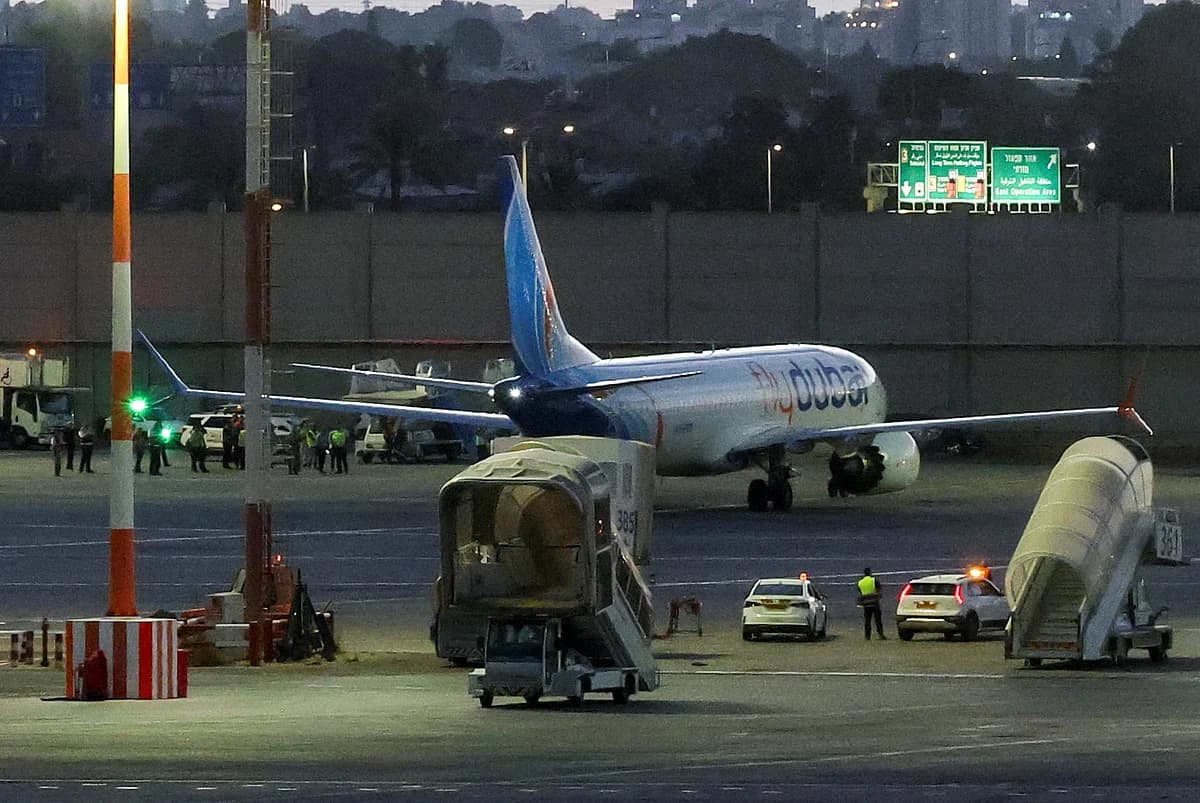
Flydubai flight FZ1073 cockpit attack classified as attempted terrorist act by UAE authorities
Why it matters
This incident highlights vulnerabilities in commercial aviation, prompting potential regulatory changes that could impact air travel globally.
What happened (in 30 seconds)
- On September 30, 2026, Flydubai flight FZ1073 diverted to Tabuk Airport after a co-pilot attacked the captain with a crash axe.
- Passengers and off-duty crew intervened to secure the cockpit, allowing for a safe emergency landing.
- UAE authorities classified the incident as an attempted terrorist act, leading to flight suspensions and an ongoing investigation.
The context you actually need
- Established aviation links between the UAE and Israel have been in place since the Abraham Accords, with Flydubai operating regular flights to Tel Aviv.
- Geopolitical tensions in the region have raised security concerns, although no specific threats were reported prior to this incident.
- The incident occurred amid heightened security awareness, with UAE authorities urging residents to avoid spreading unverified information.
What's really happening
On September 30, 2026, Flydubai flight FZ1073 was en route from Dubai to Tel Aviv when it experienced a severe cockpit altercation. The co-pilot, Hammam al-Hammami, attacked Captain Smit Machchhar with a crash axe in an attempt to seize control of the aircraft. This alarming event unfolded at approximately 9:21 AM UAE time, leading to a rapid descent from 34,000 feet, during which the aircraft transmitted emergency squawk codes 7700 and 7500. The plane successfully landed at Tabuk Airport at 10:45 AM after a distress call was made.
The UAE Attorney-General quickly classified the incident as an attempted terrorist act, emphasizing the seriousness of the co-pilot's actions. Passengers and off-duty crew members played a crucial role in subduing the assailant, showcasing the importance of vigilance and preparedness in aviation. The captain, despite sustaining injuries, managed to open the cockpit door to allow for intervention.
In the aftermath, Flydubai suspended all flights to and from Israel, reflecting the immediate operational impacts of the incident. The UAE has initiated a comprehensive investigation, with cooperation from Saudi authorities, to understand the motives behind the attack. This incident has raised questions about the security protocols in place for commercial flights, particularly those operating in geopolitically sensitive regions.
The broader implications of this event extend beyond immediate safety concerns. It may lead to increased regulatory scrutiny and changes in aviation security measures, affecting airlines, passengers, and international travel dynamics. The incident serves as a stark reminder of the vulnerabilities that exist within the aviation sector and the potential for similar threats in the future.
Who feels it first (and how)
- Airline passengers: Increased security measures may lead to longer wait times and more stringent checks at airports.
- Airline operators: Potential regulatory changes could increase operational costs and affect flight schedules.
- Expatriates in the UAE: Travel disruptions may impact business and personal travel plans, especially to Israel.
- Security agencies: Heightened focus on aviation security protocols and potential resource allocation for investigations.
What to watch next
- Regulatory changes: Monitor for updates on aviation security regulations that may arise from this incident, as they could reshape travel protocols.
- Passenger sentiment: Watch how this incident affects public confidence in air travel, particularly on routes to and from Israel.
- International cooperation: Observe how UAE and Saudi authorities collaborate on security measures and investigations, which could set precedents for future incidents.
The incident was classified as an attempted terrorist act by UAE authorities.
Increased security measures and regulatory scrutiny in aviation will follow.
The long-term impact on UAE-Israel flight operations and passenger travel behavior remains uncertain.
Frequently Asked Questions
- Why it matters?
- This incident highlights vulnerabilities in commercial aviation, prompting potential regulatory changes that could impact air travel globally.
- What happened (in 30 seconds)?
- On September 30, 2026, Flydubai flight FZ1073 diverted to Tabuk Airport after a co-pilot attacked the captain with a crash axe. Passengers and off-duty crew intervened to secure the cockpit, allowing for a safe emergency landing. UAE authorities classified the incident as an attempted terrorist act, leading to flight suspensions and an ongoing investigation.
- What's really happening?
- On September 30, 2026, Flydubai flight FZ1073 was en route from Dubai to Tel Aviv when it experienced a severe cockpit altercation. The co-pilot, Hammam al-Hammami, attacked Captain Smit Machchhar with a crash axe in an attempt to seize control of the aircraft. This alarming event unfolded at approximately 9:21 AM UAE time, leading to a rapid descent from 34,000 feet, during which the aircraft transmitted emergency squawk codes 7700 and 7500. The plane successfully landed at Tabuk Airport at 10:
- Who feels it first (and how)?
- Airline passengers: Increased security measures may lead to longer wait times and more stringent checks at airports. Airline operators: Potential regulatory changes could increase operational costs and affect flight schedules. Expatriates in the UAE: Travel disruptions may impact business and personal travel plans, especially to Israel. Security agencies: Heightened focus on aviation security protocols and potential resource allocation for investigations.
- What to watch next?
- Regulatory changes: Monitor for updates on aviation security regulations that may arise from this incident, as they could reshape travel protocols. Passenger sentiment: Watch how this incident affects public confidence in air travel, particularly on routes to and from Israel. International cooperation: Observe how UAE and Saudi authorities collaborate on security measures and investigations, which could set precedents for future incidents.
Breaking news and analysis from the UAE and Gulf region.
"Khaleej Times is a long-running UAE publication with broad regional coverage."
— A47 Editor
Flydubai reserves further comment as probe into FZ1073 ‘terrorist act’ continues
Flydubai is currently under investigation regarding flight FZ1073, which was diverted to Saudi Arabia due to an altercation involving the co-pilot, raising concerns about a potential terrorist act. The airline has reserved further comments as authori...
UAE-based English-language newspaper covering regional politics, economics, and global affairs.
"The National reflects Emirati policy perspectives while maintaining international editorial standards."
— A47 Editor
Flydubai flight FZ1073 puts airline ‘deadheading’ in spotlight
A Flydubai flight, FZ1073, was diverted to Tabuk Airport in Saudi Arabia after a violent incident in the cockpit where the co-pilot allegedly stabbed the captain. The flight was en route from Dubai to Tel Aviv when the altercation occurred, prompting...
Breaking news and analysis from the UAE and Gulf region.
"Khaleej Times is a long-running UAE publication with broad regional coverage."
— A47 Editor
Flydubai FZ1073 timeline: From flight-deck altercation to attempted 'terrorist act'
Flydubai flight FZ1073, traveling from Dubai to Tel Aviv, was diverted to Saudi Arabia following an altercation involving the co-pilot, who allegedly attempted to crash the aircraft. All passengers were reported safe after the incident, which raised ...