
Nepal Prime Minister Warns UN of Climate Crisis Following Deadly Glacier Floods
Why it matters
The Himalayan glacier collapse highlights the urgent need for international climate action and funding mechanisms to support vulnerable nations.
What happened (in 30 seconds)
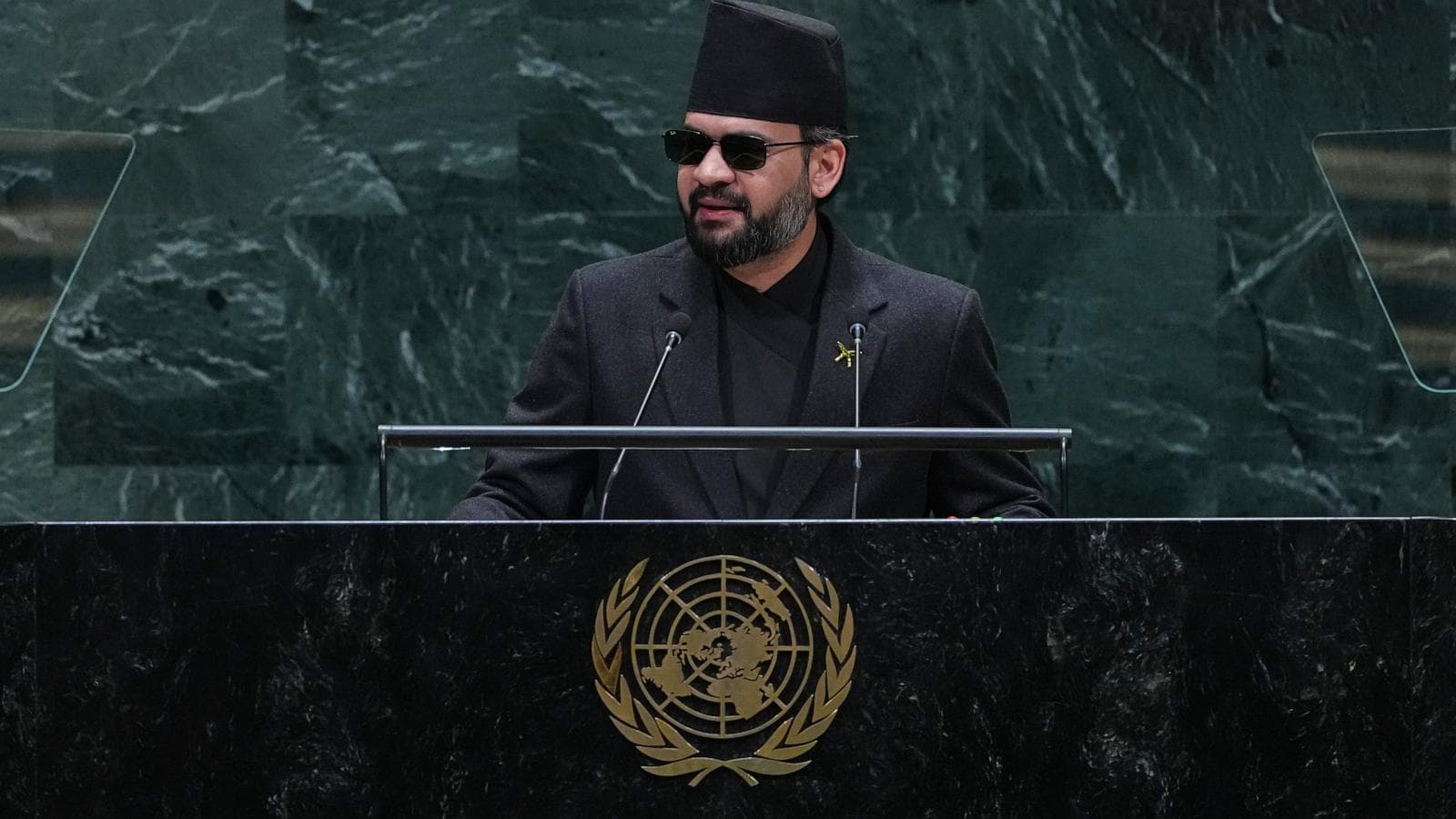
- Prime Minister Balendra Shah addressed the UN on September 24, 2026, linking the August floods to climate change.
- Over 1,400 people died in the floods, with thousands still missing, causing infrastructure damage estimated at 10% of Nepal's GDP.
- Nepal's appeal for $5 billion in recovery funding emphasizes the need for grant-based support rather than loans.
The context you actually need
- Glacier collapse: The August 2026 disaster was triggered by a partial glacier collapse at Langtang Lirung, linked to climate-driven permafrost thaw.
- Minimal emissions: Nepal contributes less than 0.1% of global greenhouse gas emissions but faces severe consequences from climate change.
- International response: The U.S. pledged $36 million in aid, but Nepal seeks streamlined access to UN funds for recovery.
What's really happening
The August 2026 floods in Nepal were not just a local disaster; they represent a critical warning about the global climate crisis. The glacier collapse at Langtang Lirung, which led to massive flash floods and landslides, underscores the vulnerability of regions that contribute minimally to global emissions yet suffer disproportionately from climate impacts. Prime Minister Shah's address at the UN General Assembly was a clarion call for climate justice, emphasizing that nations like Nepal, reliant on hydropower and with limited resources, are on the front lines of climate change.
The floods resulted in significant human and economic tolls, with over 1,400 confirmed deaths and thousands missing. Infrastructure damage is estimated at 10% of Nepal's GDP, a staggering figure for a low-emission country. Shah's proposal for a trilateral Himalayan Climate Resilience Mechanism with India and China aims to foster regional cooperation in data sharing and early warning systems, which could mitigate future disasters. This initiative reflects a growing recognition that climate change knows no borders and that collaborative efforts are essential for resilience.
The international community's response has been mixed. While the U.S. has committed $36 million in aid, Nepal's appeal for $5 billion in recovery funding highlights the inadequacy of current aid mechanisms. Shah's criticism of bureaucratic delays and calls for grant-based support rather than loans point to a systemic issue in how climate aid is structured. Countries like Nepal, which are already facing the brunt of climate impacts, require immediate and accessible funding to rebuild and adapt.
The broader implications of this disaster extend beyond Nepal. The Himalayan region is crucial for water supply to billions across Asia, and the destabilization of its glaciers poses risks to river systems that support agriculture, drinking water, and energy production. As climate change accelerates, the interconnectedness of global water resources becomes increasingly apparent, making it essential for nations to address these challenges collectively.
Who feels it first (and how)
- Local communities: Families and businesses in Nepal directly affected by the floods face loss of life, homes, and livelihoods.
- Aid organizations: NGOs and international agencies are mobilizing resources for recovery efforts, impacting their operational focus and funding needs.
- Regional governments: Neighboring countries like India and China may experience downstream effects on water supply and increased migration pressures.
What to watch next
- International funding mechanisms: Watch for changes in how climate aid is structured, particularly regarding grant-based support versus loans.
- Regional cooperation initiatives: Monitor the development of the proposed Himalayan Climate Resilience Mechanism and its effectiveness in disaster preparedness.
- Climate policy shifts: Observe how this disaster influences global climate negotiations and commitments, particularly from high-emission countries.
The floods caused significant loss of life and infrastructure damage in Nepal.
Increased international focus on climate justice and funding mechanisms for vulnerable nations.
The long-term effectiveness of proposed regional cooperation initiatives in mitigating future climate risks.
Frequently Asked Questions
- Why it matters?
- The Himalayan glacier collapse highlights the urgent need for international climate action and funding mechanisms to support vulnerable nations.
- What happened (in 30 seconds)?
- Prime Minister Balendra Shah addressed the UN on September 24, 2026, linking the August floods to climate change. Over 1,400 people died in the floods, with thousands still missing, causing infrastructure damage estimated at 10% of Nepal's GDP. Nepal's appeal for $5 billion in recovery funding emphasizes the need for grant-based support rather than loans.
- What's really happening?
- The August 2026 floods in Nepal were not just a local disaster; they represent a critical warning about the global climate crisis. The glacier collapse at Langtang Lirung, which led to massive flash floods and landslides, underscores the vulnerability of regions that contribute minimally to global emissions yet suffer disproportionately from climate impacts. Prime Minister Shah's address at the UN General Assembly was a clarion call for climate justice, emphasizing that nations like Nepal, relia
- Who feels it first (and how)?
- Local communities: Families and businesses in Nepal directly affected by the floods face loss of life, homes, and livelihoods. Aid organizations: NGOs and international agencies are mobilizing resources for recovery efforts, impacting their operational focus and funding needs. Regional governments: Neighboring countries like India and China may experience downstream effects on water supply and increased migration pressures.
- What to watch next?
- International funding mechanisms: Watch for changes in how climate aid is structured, particularly regarding grant-based support versus loans. Regional cooperation initiatives: Monitor the development of the proposed Himalayan Climate Resilience Mechanism and its effectiveness in disaster preparedness. Climate policy shifts: Observe how this disaster influences global climate negotiations and commitments, particularly from high-emission countries.
Major U.S. developments and regional news.
"ABC News delivers broad national coverage with a mainstream editorial stance, focusing on accessibility and balanced reporting."
— A47 Editor
Nepal's leader, at UN, says recent floods serve as a 'warning to the world' about climate change
Nepal's Prime Minister addressed the United Nations, stating that the recent catastrophic floods, which resulted from a glacier collapse along the Nepal-China border, serve as a dire warning about the impacts of climate change. The floods have caused...
Political, social, and economic news across Asia and the Pacific.
"France 24 is viewed as a globally focused outlet with balanced coverage and a European perspective."
— A47 Editor
Nepal’s catastrophic floods were ‘warning to the world', PM Shah tells UN
Nepal's Prime Minister Balendra Shah addressed the United Nations, stating that the catastrophic floods that struck the country last month serve as a dire warning of escalating climate risks in the Himalayas, exacerbated by melting glaciers and perma...
English-language news from Qatar covering domestic and regional affairs.
"Gulf Times reflects Qatari perspectives on regional developments."
— A47 Editor
Nepal PM says floods 'a warning to the world' about climate change
Nepal's recent catastrophic floods have resulted in significant loss of life and widespread devastation, with Prime Minister Balendra Shah describing the disaster as a dire warning about the escalating threats posed by climate change. The floods have...