
Closure of the Strait of Hormuz Disrupts Global Shipping and Energy Supplies
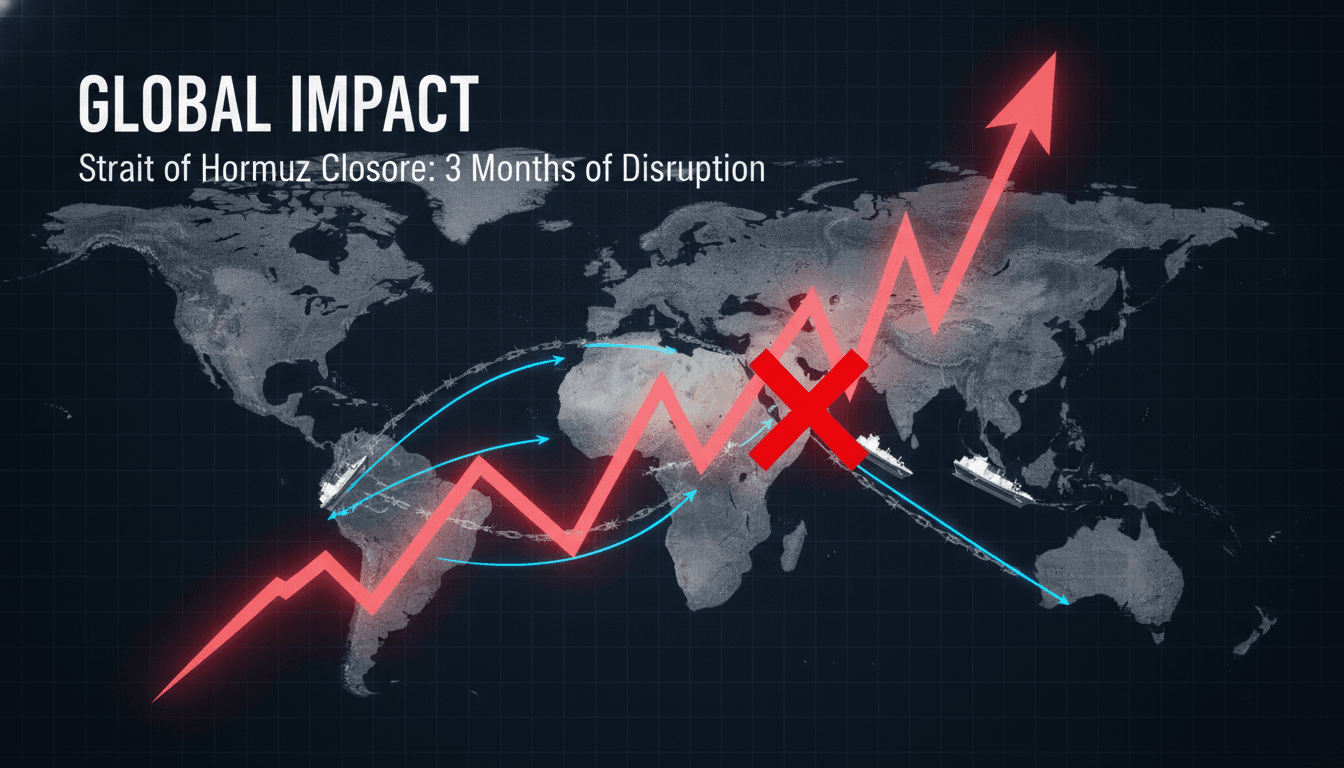
Here's what it means for you.
The closure of the Strait of Hormuz has far-reaching implications for global markets, particularly in energy and shipping sectors. As this critical chokepoint remains under Iran's control, stakeholders must brace for potential inflationary pressures and shifts in trade dynamics. The ongoing disruption could set a concerning precedent for international trade, affecting everything from energy prices to economic stability. With traders predicting that normal traffic may not resume until the end of the year, businesses reliant on timely shipping and energy supplies face uncertainty. This situation underscores the vulnerabilities in global economic systems and the need for adaptive strategies.
What happened
The Strait of Hormuz has been closed for three months, leading to significant disruptions in global shipping and energy supplies. This closure is primarily due to Iran's control over this vital maritime route, which is crucial for oil shipments. As a result, experts are raising alarms about the potential for increased inflation and economic instability.
Traders currently believe that normal traffic through the strait may not resume until the end of the year, indicating a prolonged period of disruption. The ongoing crisis has already begun to affect energy prices, contributing to rising inflation fears among consumers and businesses alike.
The Context
The Strait of Hormuz is a critical chokepoint for global oil shipments, with approximately 20% of the world's oil passing through this narrow passage. Iran's control over the strait highlights the vulnerabilities within global economic systems, as any disruption can have cascading effects on energy supplies and prices. The situation has prompted OPEC+ to consider increasing oil production targets to mitigate the impact of the closure.
As the crisis unfolds, stakeholders across various sectors are closely monitoring developments, particularly diplomatic efforts aimed at resolving the situation. The implications of this closure extend beyond immediate supply concerns, potentially reshaping global energy markets and trade dynamics in the long term.
Takeaway
The ongoing closure of the Strait of Hormuz could lead to significant shifts in global energy markets and trade dynamics. Stakeholders should keep a close eye on OPEC+ decisions regarding oil production targets, as these will play a crucial role in addressing the supply challenges posed by the closure. Additionally, developments in diplomatic efforts to resolve the crisis will be critical in determining the timeline for restoring normal traffic through the strait.
As inflationary pressures are likely to persist, businesses and consumers alike must prepare for continued volatility in energy prices and shipping logistics. The long-term outlook suggests that adapting to these disruptions will be essential for maintaining economic stability.
International stories from NPR’s global desk.
"NPR is an American public media organization known for thoughtful reporting and a slightly left-leaning editorial tone."
— A47 Editor
The Strait of Hormuz's 3-month closure could set a dangerous precedent, experts worry
The closure of the Strait of Hormuz for three months has raised concerns among experts regarding its implications for international shipping lanes, potentially setting a dangerous precedent for global trade. This vital maritime route is crucial for o...
Global business headlines with AI angles.
"General business outlet that frequently covers AI."
— A47 Editor
Traders Predict That the Strait of Hormuz Will Not Go Back to Normal Until the End of the Year
Traders are predicting that the Strait of Hormuz will not return to normal traffic levels until the end of the year, with Kalshi's market tracking indicating a 66% probability that conditions will not normalize by mid-June. This prediction comes amid...
Corporate finance news, M&A, deals, and executive interviews.
"Finance Monthly serves a professional readership with corporate finance coverage."
— A47 Editor
Hormuz Crisis Fuels Fresh Inflation Fears as Energy Strain Deepens
The ongoing crisis in the Strait of Hormuz has intensified inflation fears as energy prices continue to rise amid escalating tensions between the United States and Iran. Military exchanges between the two nations threaten the reopening of this vital ...
UAE-based English-language newspaper covering regional politics, economics, and global affairs.
"The National reflects Emirati policy perspectives while maintaining international editorial standards."
— A47 Editor
How trade and energy turmoil could deepen if Strait of Hormuz remains closed until September
The Strait of Hormuz remains closed, significantly impacting global trade and energy supplies, with potential repercussions extending until September. This closure has been attributed to heightened geopolitical tensions, particularly between the Unit...
Global political, business, and cultural coverage from WSJ international desks.
"The Wall Street Journal offers extensive international reporting with a reputation for financial insight and a center-right editorial stance."
— A47 Editor
Hormuz Crisis Exposes a Global Flaw That Will Take Years to Fix
The ongoing crisis in the Strait of Hormuz has highlighted Iran's significant control over this crucial maritime chokepoint, which is vital for global oil shipments. Recent reports indicate that military tensions between the U.S. and Iran have escala...