
Iran Declares Military Readiness Amid Strait of Hormuz Tensions and US Negotiations
Why it matters
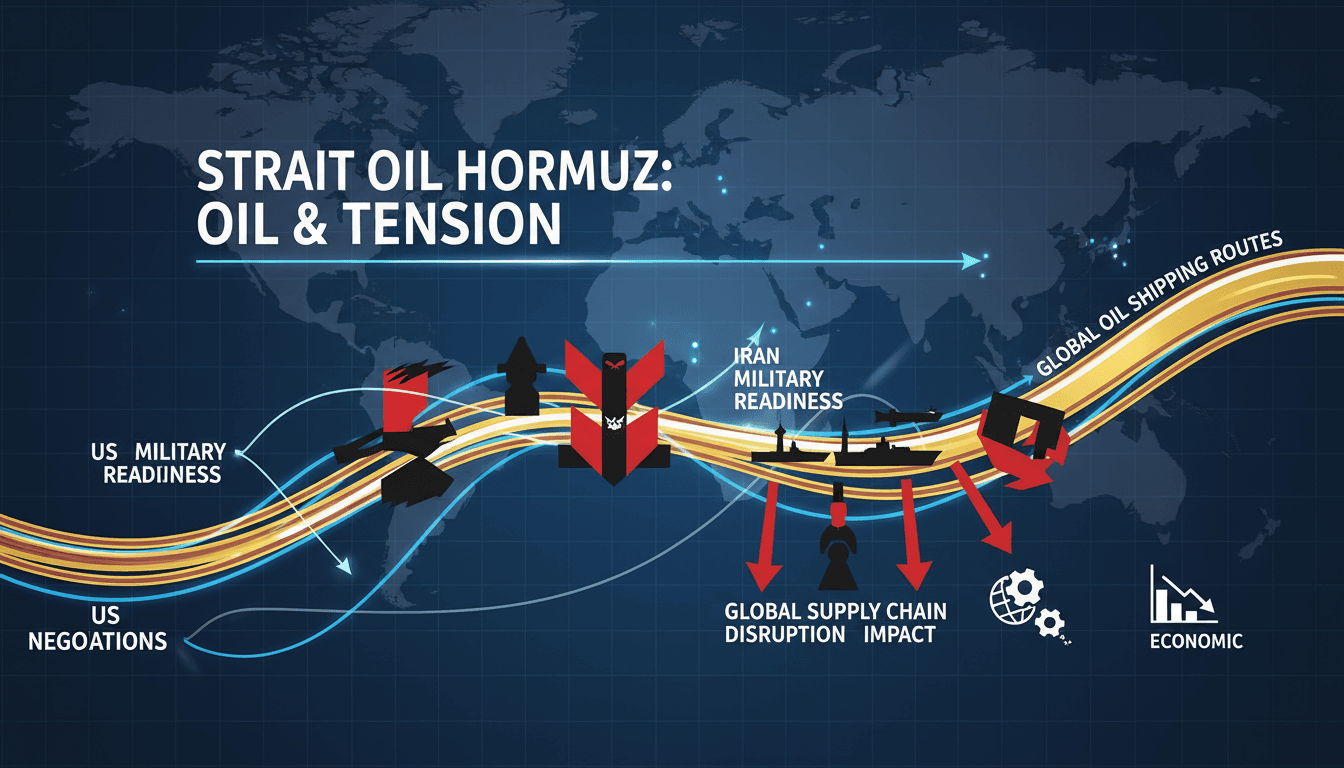
The Strait of Hormuz is a critical chokepoint for global oil shipments, with approximately 11% of the world's daily oil demand transiting through it.
What happened (in 30 seconds)
- Iran's Foreign Minister Abbas Araghchi declared the country is fully prepared for a "doomsday war" amid ongoing tensions.
- Indirect negotiations between Iran and the United States are taking place, mediated by Qatar, to address the crisis in the Strait of Hormuz.
- Shipping disruptions continue as Iran maintains military readiness, raising concerns over potential conflict escalation.
The context you actually need
- The conflict escalated following US and Israeli strikes on Iran that began in February 2026, targeting military and shipping assets.
- Iran's economy is under pressure, prompting a mix of military posturing and renewed diplomatic efforts to stabilize the situation.
- Previous agreements, such as the Joint Comprehensive Plan of Action (JCPOA), have been abandoned, complicating the current diplomatic landscape.
What's really happening
The situation in the Strait of Hormuz is a complex interplay of military readiness and diplomatic maneuvering. Iran's declaration of full military preparedness signals a significant escalation in its stance against perceived threats from the US and Israel. The Strait of Hormuz is not just a geographical point; it is a vital artery for global oil supply, with approximately 11.1 million barrels of oil capacity currently queued, representing about 11% of world daily oil demand. This makes any disruption in the strait a matter of global economic concern.
The indirect talks mediated by Qatar are crucial, as they represent a potential pathway to de-escalation. However, Iran's insistence on specific conditions for reopening the strait indicates a hardline approach that could complicate negotiations. The US, under President Donald Trump, has expressed openness to further action but has also rejected reports of sanctions relief, suggesting a tough stance that may not align with Iran's expectations.
The backdrop of this crisis includes a series of military engagements that have heightened tensions in the region. Iran's military readiness is not merely a bluff; it reflects a strategic calculation to deter further US and Israeli actions while simultaneously seeking to leverage its position in negotiations. The ongoing threats of renewed strikes and economic pressure from both sides create a precarious balance that could tip into conflict at any moment.
Moreover, the involvement of regional actors like Iraq and Lebanon adds layers of complexity. Iraq's exploration of alternative oil export routes due to risks in Hormuz highlights the economic ramifications of the standoff. The potential for broader regional instability is significant, as countries like the UAE engage diplomatically with Turkey and others to promote stability amidst these tensions.
Who feels it first (and how)
- Oil and gas companies: Increased operational costs and potential supply chain disruptions.
- Consumers: Higher fuel prices and costs of goods due to increased shipping expenses.
- Logistics and shipping sectors: Heightened risks and insurance costs affecting maritime operations.
- Regional governments: Increased diplomatic pressure to stabilize relations and manage economic fallout.
What to watch next
- US response to Iran's conditions: A formal reply from the US could either escalate tensions or open pathways for negotiation.
- Shipping traffic in the Strait of Hormuz: Monitoring tanker movements will provide insights into the immediate impact on global oil supply.
- Regional diplomatic engagements: Watch for shifts in alliances or new mediators stepping in, which could influence the trajectory of the crisis.
Iran is prepared for military conflict and is engaged in indirect talks with the US.
Continued shipping disruptions and elevated fuel prices as tensions persist.
The outcome of the indirect negotiations and whether they will lead to a de-escalation or further conflict.
Frequently Asked Questions
- Why it matters?
- The Strait of Hormuz is a critical chokepoint for global oil shipments, with approximately 11% of the world's daily oil demand transiting through it.
- What happened (in 30 seconds)?
- Iran's Foreign Minister Abbas Araghchi declared the country is fully prepared for a "doomsday war" amid ongoing tensions. Indirect negotiations between Iran and the United States are taking place, mediated by Qatar, to address the crisis in the Strait of Hormuz. Shipping disruptions continue as Iran maintains military readiness, raising concerns over potential conflict escalation.
- What's really happening?
- The situation in the Strait of Hormuz is a complex interplay of military readiness and diplomatic maneuvering. Iran's declaration of full military preparedness signals a significant escalation in its stance against perceived threats from the US and Israel. The Strait of Hormuz is not just a geographical point; it is a vital artery for global oil supply, with approximately 11.1 million barrels of oil capacity currently queued, representing about 11% of world daily oil demand. This makes any disru
- Who feels it first (and how)?
- Oil and gas companies: Increased operational costs and potential supply chain disruptions. Consumers: Higher fuel prices and costs of goods due to increased shipping expenses. Logistics and shipping sectors: Heightened risks and insurance costs affecting maritime operations. Regional governments: Increased diplomatic pressure to stabilize relations and manage economic fallout.
- What to watch next?
- US response to Iran's conditions: A formal reply from the US could either escalate tensions or open pathways for negotiation. Shipping traffic in the Strait of Hormuz: Monitoring tanker movements will provide insights into the immediate impact on global oil supply. Regional diplomatic engagements: Watch for shifts in alliances or new mediators stepping in, which could influence the trajectory of the crisis.
Global news coverage with extensive reporting on Middle Eastern conflicts and geopolitics.
"Al Jazeera is a Qatar-based broadcaster known for wide regional coverage and alternative perspectives."
— A47 Editor
Iran war live: Tehran says it’s fully prepared for war amid Hormuz tensions
Iran's Foreign Minister Abbas Araghchi has declared that Tehran is fully prepared for war amid rising tensions in the Strait of Hormuz, following the U.S. rejection of a proposed seven-day roadmap aimed at de-escalating the conflict and reopening the...
Comprehensive coverage of Middle Eastern and global issues.
"Al Jazeera is a prominent voice from the Global South, especially the Middle East, with an emphasis on underreported stories."
— A47 Editor
Iran war live: Tehran says it’s fully prepared for war amid Hormuz tensions
Iran's Foreign Minister Abbas Araghchi has declared that Tehran is fully prepared for war amid rising tensions in the Strait of Hormuz, following the U.S. rejection of a proposed seven-day roadmap aimed at de-escalating the conflict and reopening the...
Capitol Hill news, legislation, and policy insight.
"The Hill specializes in U.S. politics and policy, with a focus on Capitol Hill developments and a reputation for insider reporting."
— A47 Editor
Iran 'fully prepared' for war to resume if Trump authorizes strikes after midterms
Iranian Foreign Minister Abbas Araghchi stated that Iran is 'fully prepared' for the possibility of war to resume if President Trump authorizes military strikes following the midterm elections. This declaration underscores the ongoing tensions betwee...
Comprehensive coverage of Middle Eastern and global issues.
"Al Jazeera is a prominent voice from the Global South, especially the Middle East, with an emphasis on underreported stories."
— A47 Editor
‘Iran ready for doomsday war’, FM Araghchi says
Iranian Foreign Minister Abbas Araghchi has stated that Iran is prepared for war, emphasizing readiness for a potential 'doomsday war' amid escalating tensions, particularly in the Strait of Hormuz. This declaration follows the U.S. rejection of a di...
National headlines across the United States including breaking stories and societal issues.
"NBC News is a mainstream media outlet known for comprehensive national and international news coverage with a centrist to slightly left-leaning editorial tone."
— A47 Editor
Iran foreign minister says Iran prepared for war to resume, even if it becomes ‘doomsday’
Iranian Foreign Minister Abbas Araghchi stated that Iran is prepared for war, emphasizing the nation's readiness to confront any aggression, particularly in light of President Trump's intentions to resume military actions following the midterm electi...
Regional coverage and analysis focused on politics, diplomacy, and business across the Middle East.
"Al-Monitor is known for analytical reporting on Middle East politics and policy developments."
— A47 Editor
Iran's army voices readiness for potential renewed US attack
Iran's armed forces have declared their readiness for potential renewed attacks from the United States, following President Donald Trump's rejection of an Iranian proposal aimed at reopening the Strait of Hormuz and de-escalating ongoing tensions. Ar...