
Iran Distances Itself from Houthis and Iraqi Militias Amid Regional Tensions
Why it matters
This development signals a potential easing of tensions in the Middle East, which could stabilize energy prices and enhance trade routes.
What happened (in 30 seconds)
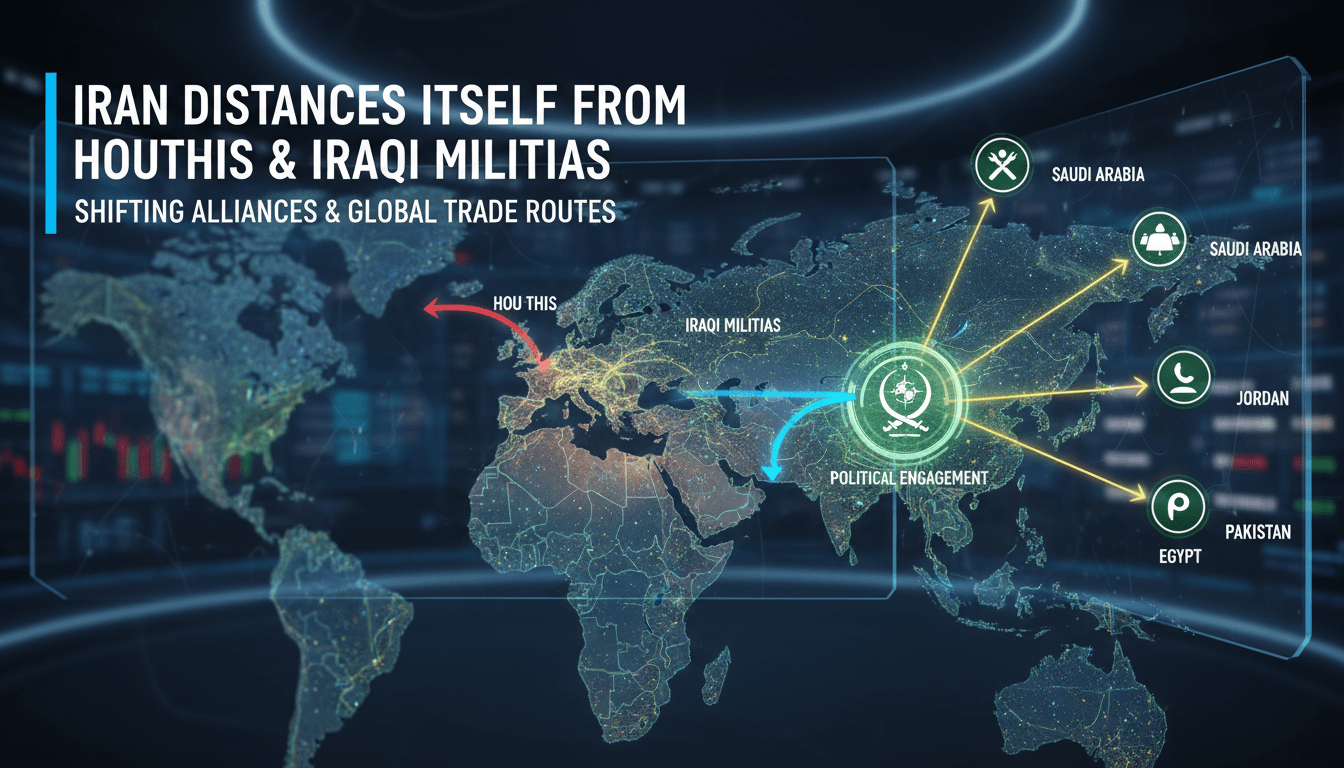
- On October 3, 2026, Pakistan's Foreign Minister Ishaq Dar announced that Iran is distancing itself from the Houthis and Iraqi militias.
- Iranian leaders, including President Masoud Pezeshkian, are advocating for political solutions over military actions amid ongoing Houthi attacks on Saudi Arabia.
- An emergency meeting of the Makkah Joint Defence Pact members is scheduled in Riyadh to discuss alternatives to military responses.
The context you actually need
- Escalating Houthi attacks on Saudi Arabia have included strikes on critical infrastructure, raising regional security concerns.
- The Makkah Joint Defence Agreement, signed in August 2026, aims to enhance military cooperation among Saudi Arabia, Turkey, and Pakistan in response to these threats.
- Iran's previous signals of limited control over its proxies indicate a strategic shift that could reshape regional dynamics.
What's really happening
The recent announcement by Pakistan's Foreign Minister Ishaq Dar marks a significant pivot in Iran's approach to its regional proxies, particularly the Houthis in Yemen and various militias in Iraq. This shift comes in the wake of escalating tensions, particularly following a series of Houthi attacks on Saudi Arabia, which have included strikes on both civilian and religious sites. The Iranian leadership, represented by President Masoud Pezeshkian and Foreign Minister Abbas Araqchi, is now advocating for political engagement rather than military confrontation, suggesting a desire to de-escalate the ongoing conflict.
This change in stance is particularly noteworthy given the backdrop of a nearly seven-month conflict between the U.S. and Iran, which has heightened regional instability. The Makkah Joint Defence Pact, established in August 2026, is a strategic alliance among Saudi Arabia, Turkey, and Pakistan, aimed at countering threats from Iranian-backed groups. The pact's members are now preparing for an emergency meeting to explore diplomatic avenues for engaging the Houthis, indicating a collective shift towards non-kinetic responses.
Iran's distancing from the Houthis could be interpreted as an attempt to regain some control over its regional narrative and mitigate the backlash from its adversaries. This is crucial as more than six countries have expressed interest in joining the Makkah Pact, although membership is currently paused until the pact is fully operationalized. The Iranian leadership's pivot towards political solutions may also reflect internal pressures and a recognition that military engagements could further isolate Iran on the international stage.
The implications of this shift are profound. If Iran successfully distances itself from the Houthis, it could lead to a reduction in hostilities in the region, potentially stabilizing oil prices and enhancing trade routes that are vital for global commerce. For Dubai, a key logistics hub, this could mean smoother operations and reduced shipping costs, although immediate local impacts from the announcement have not been reported.
Who feels it first (and how)
- Energy sector professionals: Fluctuations in oil prices could directly affect profitability and operational costs.
- Logistics and trade companies: Changes in regional stability may alter shipping routes and costs.
- Government policymakers: Diplomatic shifts may require adjustments in foreign policy and defense strategies.
What to watch next
- Emergency meeting outcomes: The decisions made in Riyadh could set the tone for future diplomatic engagements and military strategies in the region.
- Iran's continued distancing: Monitoring Iran's actions regarding its proxies will be crucial in assessing the long-term stability of the region.
- Global oil prices: Any significant changes in regional security dynamics could lead to fluctuations in oil prices, impacting global markets.
Iran's leadership is advocating for political solutions over military actions.
The Makkah Joint Defence Pact will explore diplomatic avenues in response to Houthi aggression.
The long-term effectiveness of Iran's distancing from its proxies and its impact on regional stability.
Frequently Asked Questions
- Why it matters?
- This development signals a potential easing of tensions in the Middle East, which could stabilize energy prices and enhance trade routes.
- What happened (in 30 seconds)?
- On October 3, 2026, Pakistan's Foreign Minister Ishaq Dar announced that Iran is distancing itself from the Houthis and Iraqi militias. Iranian leaders, including President Masoud Pezeshkian, are advocating for political solutions over military actions amid ongoing Houthi attacks on Saudi Arabia. An emergency meeting of the Makkah Joint Defence Pact members is scheduled in Riyadh to discuss alternatives to military responses.
- What's really happening?
- The recent announcement by Pakistan's Foreign Minister Ishaq Dar marks a significant pivot in Iran's approach to its regional proxies, particularly the Houthis in Yemen and various militias in Iraq. This shift comes in the wake of escalating tensions, particularly following a series of Houthi attacks on Saudi Arabia, which have included strikes on both civilian and religious sites. The Iranian leadership, represented by President Masoud Pezeshkian and Foreign Minister Abbas Araqchi, is now advoc
- Who feels it first (and how)?
- Energy sector professionals: Fluctuations in oil prices could directly affect profitability and operational costs. Logistics and trade companies: Changes in regional stability may alter shipping routes and costs. Government policymakers: Diplomatic shifts may require adjustments in foreign policy and defense strategies.
- What to watch next?
- Emergency meeting outcomes: The decisions made in Riyadh could set the tone for future diplomatic engagements and military strategies in the region. Iran's continued distancing: Monitoring Iran's actions regarding its proxies will be crucial in assessing the long-term stability of the region. Global oil prices: Any significant changes in regional security dynamics could lead to fluctuations in oil prices, impacting global markets.
English-language news from Qatar covering domestic and regional affairs.
"Gulf Times reflects Qatari perspectives on regional developments."
— A47 Editor
Iran has distanced itself from Houthis, Iraqi militias: Pak FM
Pakistan's Foreign Minister has indicated that Iran is distancing itself from the Houthis and Iraqi militias, suggesting a political engagement with Yemen's Houthis following their recent attacks. This proposal will be discussed by a committee under ...
Regional coverage and analysis focused on politics, diplomacy, and business across the Middle East.
"Al-Monitor is known for analytical reporting on Middle East politics and policy developments."
— A47 Editor
Pakistan says Mecca pact members to hold emergency talks on engaging Houthis
Pakistan's Foreign Minister announced that Iran has proposed engaging Yemen's Houthis politically following recent attacks by the group, prompting an emergency meeting of the Mecca defense pact members in Riyadh next week. This proposal arises amidst...
Arabic-language coverage of political affairs and current events.
"Okaz political coverage typically follows mainstream Saudi framing on national and regional affairs."
— A47 Editor
وزير خارجية باكستان: اجتماع طارئ لـ«اتفاقية مكة» لبحث هجمات الحوثي
Pakistani Foreign Minister Ishaq Dar announced that Riyadh will host an emergency meeting of the Strategic Political Defense Committee under the Mecca Agreement, involving Saudi Arabia, Turkey, and Pakistan. The meeting, scheduled for next week, will...