
Ebola Treatment Center Destroyed in Congo Amid Record 4,000+ Deaths in Fastest-Growing Outbreak
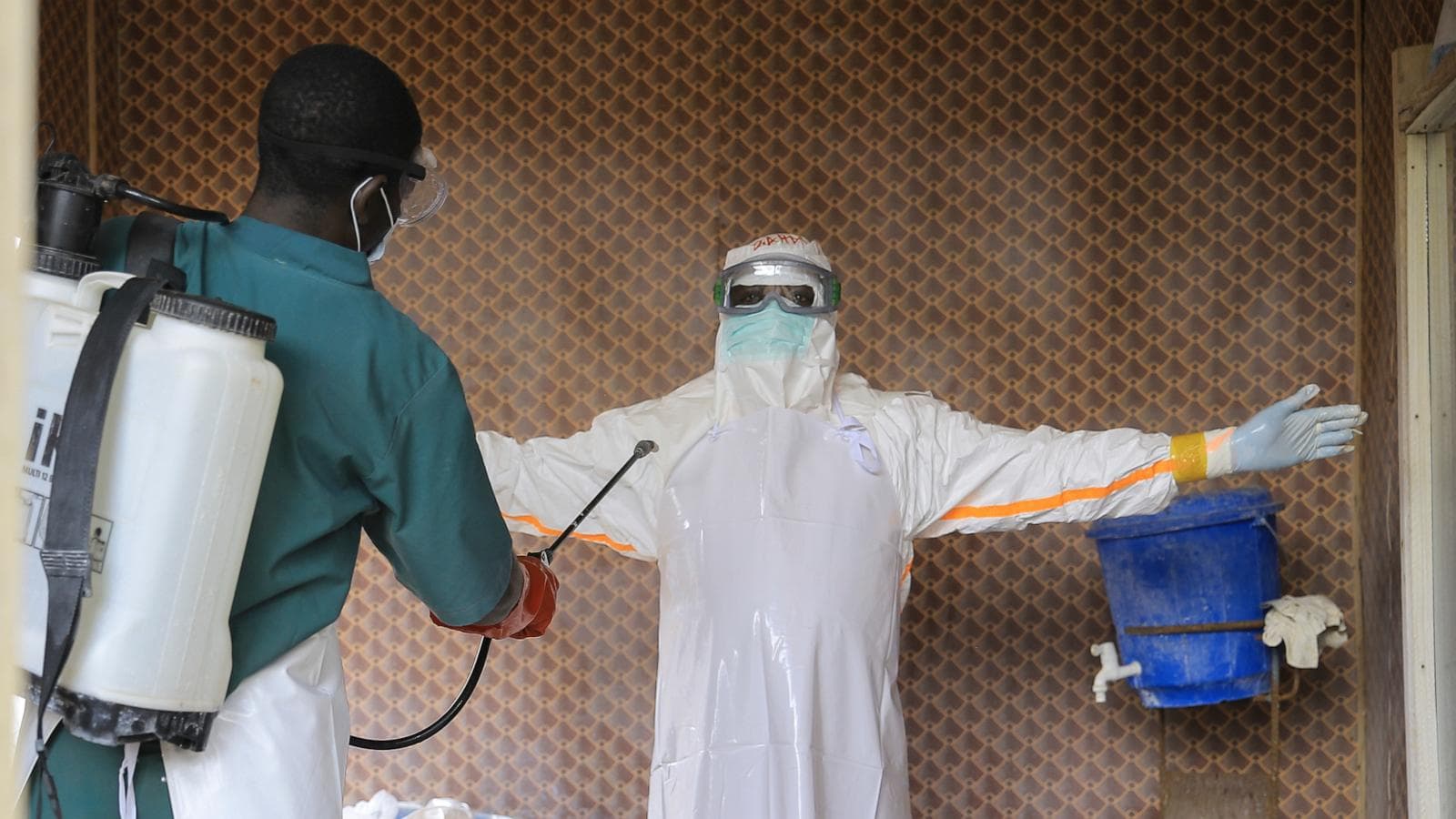
Why it matters
This outbreak represents a critical challenge to global health systems, highlighting vulnerabilities in disease response and community trust.
What happened (in 30 seconds)
- Ebola treatment center destroyed: Soldiers burned down a transit center in Kigonze camp, displacing 19,000 people.
- Record death toll: As of October 2, 2026, the outbreak has claimed 4,018 lives among 8,300 confirmed cases, marking the deadliest outbreak in DRC history.
- Health worker protests: Frontline health workers in Bunia protested unpaid wages, further complicating the response to the outbreak.
The context you actually need
- Rapid outbreak growth: The current Ebola outbreak, declared on May 15, 2026, is caused by the Bundibugyo strain, which has no known treatment or vaccine.
- Community distrust: Historical mistrust of health authorities, fueled by past outbreaks and corruption, has hindered containment efforts.
- Insecurity and violence: Ongoing regional conflict and militia activity have exacerbated the situation, leading to attacks on health facilities and a lack of resources.
What's really happening
The Ebola outbreak in the Democratic Republic of the Congo (DRC) has escalated into a humanitarian crisis, with the destruction of a treatment center in Kigonze camp serving as a stark indicator of the challenges faced by health authorities. The incident occurred during a search for weapons by soldiers, reflecting the broader context of insecurity and violence that has plagued the region for decades. This outbreak, declared on May 15, 2026, has already resulted in over 4,000 deaths, making it the deadliest in DRC history.
The Bundibugyo strain of Ebola, responsible for this outbreak, poses unique challenges as there is currently no known treatment or vaccine available. This has led to a rapid increase in cases, with 8,300 confirmed infections reported as of early October 2026. The situation is further complicated by community resistance to health interventions, driven by deep-seated mistrust of government and health responders. Past experiences with Ebola outbreaks, characterized by misinformation and perceived corruption, have left many communities skeptical of health initiatives.
Health workers in Bunia, the epicenter of the outbreak, have protested unpaid wages, which has hampered response efforts. Médecins Sans Frontières (MSF) has been actively involved in the response, but the infection of one of their aid workers has raised alarms about the safety of frontline personnel. The destruction of the treatment center not only displaces thousands but also significantly reduces the capacity to manage and contain the outbreak.
Despite the challenges, there have been some advancements in testing capabilities, with mobile labs reducing test times from 72 hours to just 6 hours. However, the overall response remains strained, with the World Health Organization (WHO) noting that new cases are declining unevenly across different zones. The ongoing violence and insecurity, coupled with community resistance, continue to pose significant barriers to effective containment.
As the situation evolves, the international community is closely monitoring developments, recognizing that the implications of this outbreak extend beyond the borders of DRC. The loss of treatment capacity and the ongoing humanitarian crisis could have ripple effects on global health security and international aid dynamics.
Who feels it first (and how)
- Health workers: Strikes and protests due to unpaid wages hinder their ability to respond effectively.
- Local communities: Displacement and distrust lead to increased vulnerability and resistance to health interventions.
- International aid organizations: Increased operational challenges and resource allocation issues complicate their response efforts.
What to watch next
- Case trends: Monitor the trajectory of new Ebola cases to assess the effectiveness of containment measures.
- Community engagement: Watch for initiatives aimed at rebuilding trust between health authorities and local communities, which are crucial for effective response.
- International response: Observe how global health organizations and governments adjust their strategies in light of the ongoing crisis and its implications for global health security.
The outbreak has resulted in over 4,000 deaths and 8,300 confirmed cases.
Continued community resistance and insecurity will hinder effective containment efforts.
The long-term impact on global health security and international aid dynamics remains uncertain.
Frequently Asked Questions
- Why it matters?
- This outbreak represents a critical challenge to global health systems, highlighting vulnerabilities in disease response and community trust.
- What happened (in 30 seconds)?
- Ebola treatment center destroyed: Soldiers burned down a transit center in Kigonze camp, displacing 19,000 people. Record death toll: As of October 2, 2026, the outbreak has claimed 4,018 lives among 8,300 confirmed cases, marking the deadliest outbreak in DRC history. Health worker protests: Frontline health workers in Bunia protested unpaid wages, further complicating the response to the outbreak.
- What's really happening?
- The Ebola outbreak in the Democratic Republic of the Congo (DRC) has escalated into a humanitarian crisis, with the destruction of a treatment center in Kigonze camp serving as a stark indicator of the challenges faced by health authorities. The incident occurred during a search for weapons by soldiers, reflecting the broader context of insecurity and violence that has plagued the region for decades. This outbreak, declared on May 15, 2026, has already resulted in over 4,000 deaths, making it th
- Who feels it first (and how)?
- Health workers: Strikes and protests due to unpaid wages hinder their ability to respond effectively. Local communities: Displacement and distrust lead to increased vulnerability and resistance to health interventions. International aid organizations: Increased operational challenges and resource allocation issues complicate their response efforts.
- What to watch next?
- Case trends: Monitor the trajectory of new Ebola cases to assess the effectiveness of containment measures. Community engagement: Watch for initiatives aimed at rebuilding trust between health authorities and local communities, which are crucial for effective response. International response: Observe how global health organizations and governments adjust their strategies in light of the ongoing crisis and its implications for global health security.
Medical headlines, wellness tips, and public health guidance.
"ABC News delivers broad national coverage with a mainstream editorial stance, focusing on accessibility and balanced reporting."
— A47 Editor
An Ebola treatment center was burned down as the death toll in Congo passes 4,000
The Ebola outbreak in the Democratic Republic of Congo has escalated dramatically, with the death toll surpassing 4,000 as authorities struggle to contain the virus. A treatment center was recently burned down, highlighting the challenges faced by he...
Global coverage of politics, crises, and international affairs.
"HuffPost provides progressive-oriented reporting on international developments, often focusing on humanitarian and social justice issues."
— A47 Editor
An Ebola Treatment Center Was Burned Down As The Death Toll In Congo Passes 4,000
The Democratic Republic of Congo is experiencing a severe outbreak of the Bundibugyo virus, with the death toll surpassing 4,000 as health officials struggle to contain the crisis. Recently, an Ebola treatment center was burned down, exacerbating the...
International news coverage curated for readers in the UAE and Gulf region.
"Emirates 24|7 world coverage presents global developments through a UAE-facing and Gulf-relevant editorial lens."
— A47 Editor
Congo's Ebola outbreak has killed more than 4,000, government data shows
The Democratic Republic of Congo (DRC) is facing a severe Ebola outbreak, with the death toll surpassing 4,000, according to government data. This outbreak, caused by the Bundibugyo strain of the virus, has become the largest and deadliest in the cou...