
Iran Loses Strategic Leverage in Strait of Hormuz as Gulf Oil Exports Recover
Why it matters
This development signals a significant shift in energy security and geopolitical stability in the Gulf region, affecting global oil prices and trade routes.
What happened (in 30 seconds)
- Iran's leverage diminished: As of October 2026, Iran can no longer effectively use the Strait of Hormuz to influence global oil markets.
- Gulf oil exports surge: Non-Iranian Gulf oil flows have rebounded to 19.2 million barrels per day, nearing pre-war levels.
- U.S. sanctions impact: Iranian crude exports fell to zero for the first time since 2013, exacerbated by U.S. enforcement of maritime restrictions.
The context you actually need
- Strategic chokepoint: The Strait of Hormuz is crucial for global oil transit, accounting for about 20% of the world's oil and LNG shipments.
- U.S.-Iran tensions: Direct conflicts between the U.S. and Iran escalated in February 2026, leading to increased military presence and sanctions.
- Mediation efforts: Qatar is actively mediating talks between the U.S. and Iran to restore free navigation in the strait, highlighting ongoing diplomatic efforts.
What's really happening
The Strait of Hormuz has long been a focal point for geopolitical maneuvering, particularly for Iran, which historically leveraged its control over this vital maritime route to counteract sanctions and military pressure. However, the landscape has shifted dramatically since the onset of U.S.-Iran tensions in February 2026.
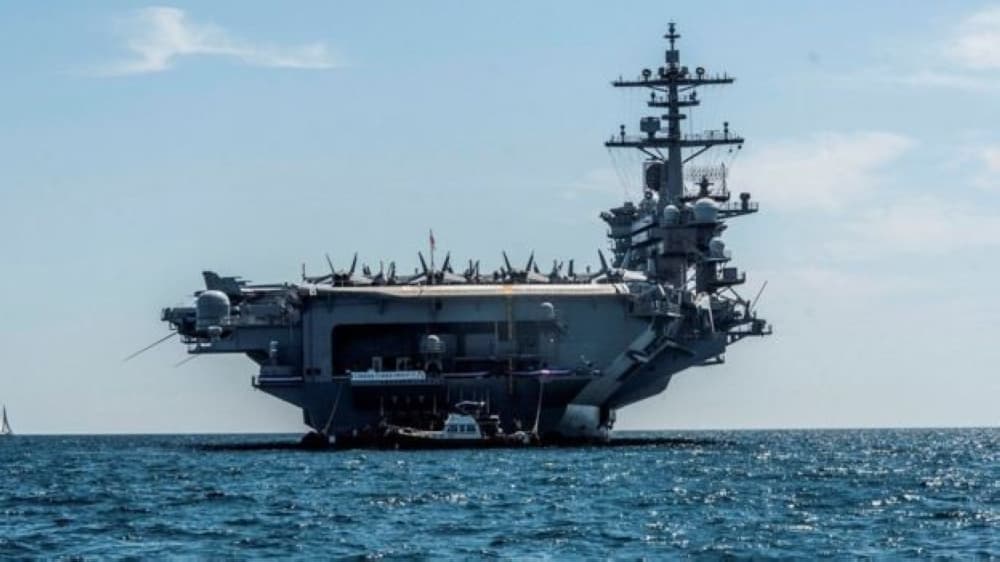
Iran's strategy relied heavily on the threat of disrupting oil shipments through the strait, a tactic that has now backfired. U.S. naval operations, including mine clearance and enhanced maritime security, have effectively neutralized Iran's ability to threaten shipping lanes. As a result, alternative transit routes have been secured, diminishing Tehran's influence over global energy markets.
By September 2026, Gulf oil exports had surged to 19.2 million barrels per day, representing 81% of pre-war levels. Saudi Arabia, in particular, increased its exports by 4.2 million barrels per day, reaching a total of 6.6 million. In stark contrast, Iranian crude exports plummeted to zero, marking a historic low since tracking began in 2013. This drastic decline is compounded by a significant drop in Chinese independent refinery imports of Iranian oil, which fell to just 590,000 barrels per day.
The situation escalated with incidents like the attack on the Panama-flagged MT On Peace tanker, which injured 12 crew members. Such events underscore the heightened risks in the strait, prompting increased shipping insurance premiums and potential delays in energy-related imports and exports, particularly affecting regions like Dubai.
Qatar's role as a mediator is crucial in this context, as it seeks to facilitate dialogue between the U.S. and Iran to restore stability in the strait. The ongoing tensions have led to sustained high Brent crude prices, reflecting market anxiety over potential disruptions. While Gulf states have shown resilience by maintaining export levels, the broader implications of Iran's diminished leverage could reshape energy security dynamics in the region.
Who feels it first (and how)
- Energy traders: Increased shipping costs and insurance premiums could affect profit margins.
- Logistics companies: Potential supply chain delays may disrupt operations and planning.
- Consumers: Fluctuating oil prices could lead to higher fuel costs and energy prices globally.
- Investors: Market volatility in oil prices may impact investment strategies in energy sectors.
What to watch next
- Shipping insurance rates: Monitor changes in maritime insurance premiums, as they reflect perceived risks in the Strait of Hormuz.
- U.S.-Iran negotiations: Keep an eye on the outcomes of Qatar's mediation efforts, which could influence future stability in the region.
- Global oil prices: Watch for fluctuations in Brent crude prices, which may signal market reactions to ongoing tensions and supply chain dynamics.
Iranian crude exports have reached zero for the first time since 2013.
Gulf oil exports will continue to recover, maintaining pressure on Iranian oil markets.
The long-term effectiveness of mediation efforts by Qatar and the potential for renewed U.S.-Iran tensions remain uncertain.
Frequently Asked Questions
- Why it matters?
- This development signals a significant shift in energy security and geopolitical stability in the Gulf region, affecting global oil prices and trade routes.
- What happened (in 30 seconds)?
- Iran's leverage diminished: As of October 2026, Iran can no longer effectively use the Strait of Hormuz to influence global oil markets. Gulf oil exports surge: Non-Iranian Gulf oil flows have rebounded to 19.2 million barrels per day, nearing pre-war levels. U.S. sanctions impact: Iranian crude exports fell to zero for the first time since 2013, exacerbated by U.S. enforcement of maritime restrictions.
- What's really happening?
- The Strait of Hormuz has long been a focal point for geopolitical maneuvering, particularly for Iran, which historically leveraged its control over this vital maritime route to counteract sanctions and military pressure. However, the landscape has shifted dramatically since the onset of U.S.-Iran tensions in February 2026. Iran's strategy relied heavily on the threat of disrupting oil shipments through the strait, a tactic that has now backfired. U.S. naval operations, including mine clearance
- Who feels it first (and how)?
- Energy traders: Increased shipping costs and insurance premiums could affect profit margins. Logistics companies: Potential supply chain delays may disrupt operations and planning. Consumers: Fluctuating oil prices could lead to higher fuel costs and energy prices globally. Investors: Market volatility in oil prices may impact investment strategies in energy sectors.
- What to watch next?
- Shipping insurance rates: Monitor changes in maritime insurance premiums, as they reflect perceived risks in the Strait of Hormuz. U.S.-Iran negotiations: Keep an eye on the outcomes of Qatar's mediation efforts, which could influence future stability in the region. Global oil prices: Watch for fluctuations in Brent crude prices, which may signal market reactions to ongoing tensions and supply chain dynamics.
English-language digital publication covering business, politics, technology, and current affairs.
"The Arabian Post mixes original and syndicated-style coverage with a broad regional and global business-news orientation."
— A47 Editor
Hormuz tanker attacks accelerate as oil flows recover
Recent attacks on oil tankers in the Strait of Hormuz have escalated, coinciding with a recovery in Gulf oil flows. The UK Maritime Trade Operations reported that at least two vessels were struck by projectiles, raising concerns over maritime safety ...
Coverage of political affairs and regional developments from a Saudi perspective.
"Al Watan political coverage typically follows a mainstream Saudi framing of regional and national issues."
— A47 Editor
إيران تخسر ورقة هرمز
The Strait of Hormuz has entered a more complex phase as escalating attacks on commercial vessels coincide with a rapid return of Gulf oil flows, diminishing Iran's leverage over this vital maritime route. Recent data indicates that oil flows from Gu...
Arabic-language coverage of political affairs and current events.
"Okaz political coverage typically follows mainstream Saudi framing on national and regional affairs."
— A47 Editor
تصعيد خطير في هرمز.. استهداف ناقلة وإصابة 12 من أفراد طاقمها
Tensions in the Strait of Hormuz have escalated following an attack on a Panama-flagged tanker, the MT On Peace, resulting in injuries to 12 crew members, including 11 Indians. The incident occurred while the vessel was transiting near Oman, highligh...
Sports reporting with a focus on Saudi and regional competitions.
"Okaz sports coverage is broad and audience-friendly, with strong attention to Saudi teams and leagues."
— A47 Editor
رغم هجمات هرمز.. صادرات نفط الشرق الأوسط تتجاوز مستويات ما قبل الحرب
Despite ongoing military tensions and attacks on vessels in the Strait of Hormuz, crude oil exports from the Middle East surpassed pre-war levels during the last week of September. Initial data from the ship tracking company Kepler indicated that cru...