
Escalating Attacks on Oil Tankers in Strait of Hormuz Heighten Global Energy Security Concerns
Why it matters
The stability of energy exports from the Persian Gulf is critical to global oil supply chains, impacting prices and availability.
What happened (in 30 seconds)
- At least 11 oil tankers were attacked in the Strait of Hormuz since late September 2026, raising alarms over maritime security.
- Drone and missile strikes targeted both tankers and Saudi oil infrastructure amid escalating regional tensions.
- U.S. naval protection efforts are ongoing but face challenges from coordinated assaults by Iran-aligned forces.
The context you actually need
- The Strait of Hormuz is a vital chokepoint for global oil trade, handling approximately 20% of the world's oil supply.
- Houthi forces have intensified attacks on Saudi infrastructure, complicating the security landscape for oil exports.
- Saudi Arabia has rerouted oil exports via pipelines to mitigate risks, achieving higher export volumes despite the conflict.
What's really happening
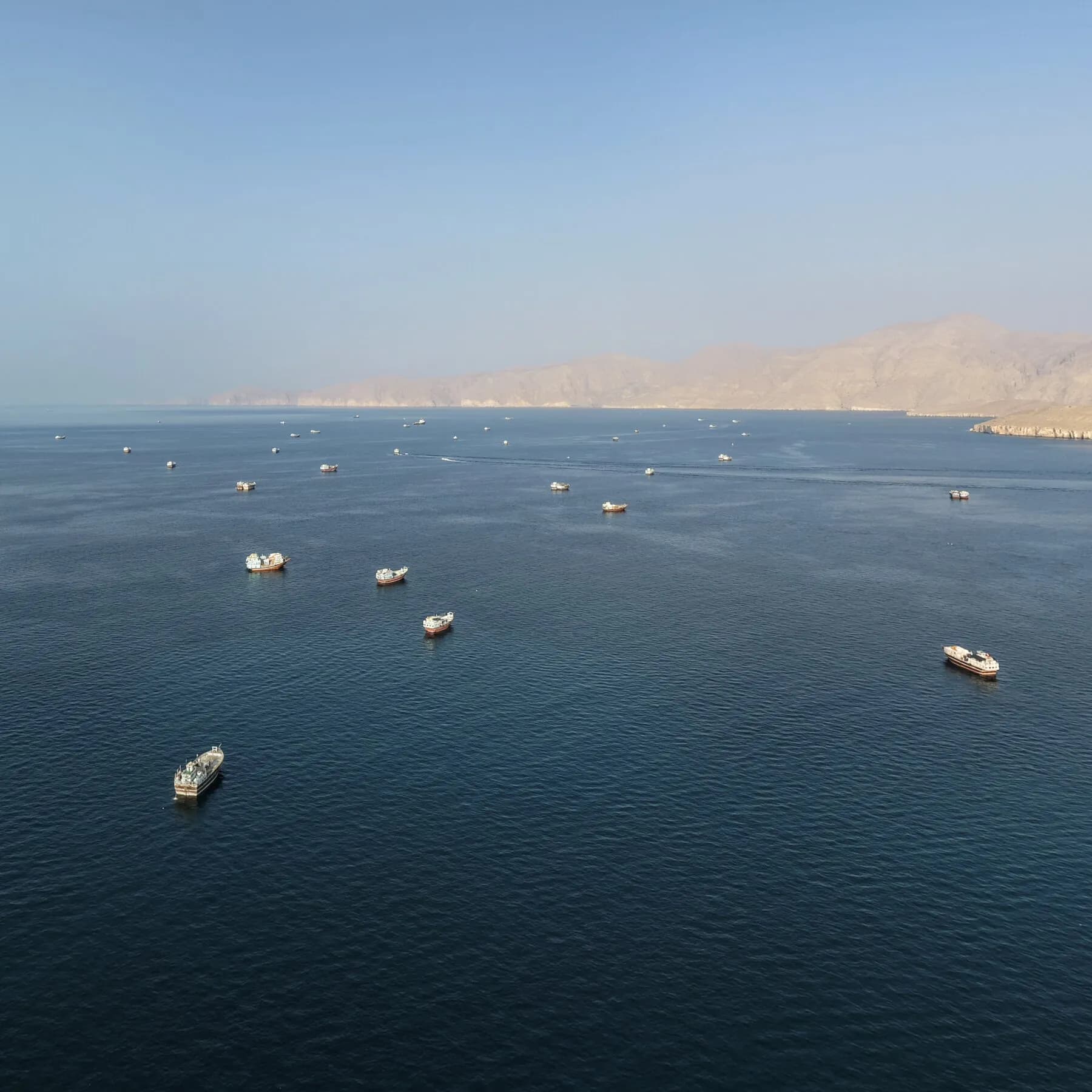
Since late September 2026, the Strait of Hormuz has witnessed a surge in drone and missile strikes targeting oil tankers, with at least 11 vessels affected. This escalation is part of a broader conflict involving Iran, the United States, Israel, and Iran-aligned Houthi forces in Yemen. The attacks coincide with a Saudi-backed military operation against the Houthis, which has heightened tensions in the region.
The strategic importance of the Strait of Hormuz cannot be overstated; it serves as a critical artery for global oil trade, with around 20% of the world's oil passing through its waters. The recent assaults have raised significant concerns about the security of maritime routes, prompting Saudi Arabia and other Gulf nations to enhance their military responses and security measures. U.S. naval forces are actively engaged in protecting shipping lanes, but the simultaneous nature of the attacks poses a considerable challenge.
In response to the crisis, Saudi Arabia has sought to reroute oil exports through pipelines to Red Sea ports, achieving higher export volumes than at any point since the conflict began. However, this workaround is fragile and may not be sustainable in the long term, especially as Houthi forces continue to threaten Saudi infrastructure. The CEO of Saudi Aramco, Amin Nasser, described the situation as one of the worst crises in his career, highlighting the precarious nature of the current energy landscape.
Despite the turmoil, Brent crude prices have remained relatively stable, hovering around $102 per barrel. This stability is partly due to a G7 agreement to release emergency oil and diesel stocks over the next four months, aimed at stabilizing markets. However, analysts warn that the ongoing conflict and the potential for further escalations could disrupt global energy flows, leading to price volatility and supply chain challenges.
Who feels it first (and how)
- Energy importers: Increased costs and potential supply chain delays for energy products.
- Maritime logistics companies: Higher insurance premiums and operational risks in affected regions.
- Consumers: Possible fluctuations in fuel prices and energy costs.
What to watch next
- Military escalations: Monitor for further strikes or military operations by Houthi forces and Saudi responses, as these could impact oil supply.
- Oil price fluctuations: Keep an eye on Brent crude prices, as any significant changes could signal broader market instability.
- International diplomatic efforts: Watch for negotiations or agreements aimed at de-escalating tensions in the region, which could stabilize energy exports.
The Strait of Hormuz is critical for global oil trade, with ongoing military tensions.
Continued military responses from Saudi Arabia and potential further attacks from Houthi forces.
The long-term effectiveness of rerouting oil exports and the potential for sustained price stability.
Frequently Asked Questions
- Why it matters?
- The stability of energy exports from the Persian Gulf is critical to global oil supply chains, impacting prices and availability.
- What happened (in 30 seconds)?
- At least 11 oil tankers were attacked in the Strait of Hormuz since late September 2026, raising alarms over maritime security. Drone and missile strikes targeted both tankers and Saudi oil infrastructure amid escalating regional tensions. U.S. naval protection efforts are ongoing but face challenges from coordinated assaults by Iran-aligned forces.
- What's really happening?
- Since late September 2026, the Strait of Hormuz has witnessed a surge in drone and missile strikes targeting oil tankers, with at least 11 vessels affected. This escalation is part of a broader conflict involving Iran, the United States, Israel, and Iran-aligned Houthi forces in Yemen. The attacks coincide with a Saudi-backed military operation against the Houthis, which has heightened tensions in the region. The strategic importance of the Strait of Hormuz cannot be overstated; it serves as a
- Who feels it first (and how)?
- Energy importers: Increased costs and potential supply chain delays for energy products. Maritime logistics companies: Higher insurance premiums and operational risks in affected regions. Consumers: Possible fluctuations in fuel prices and energy costs.
- What to watch next?
- Military escalations: Monitor for further strikes or military operations by Houthi forces and Saudi responses, as these could impact oil supply. Oil price fluctuations: Keep an eye on Brent crude prices, as any significant changes could signal broader market instability. International diplomatic efforts: Watch for negotiations or agreements aimed at de-escalating tensions in the region, which could stabilize energy exports.
Global markets, investing, and macroeconomics from a premier financial newsroom.
"Bloomberg is respected for in-depth financial reporting and data-driven analysis."
— A47 Editor
Latest Oil Market News and Analysis for Oct. 7
Oil prices have seen an uptick as traders assess the implications of increased oil flows through the Strait of Hormuz, juxtaposed with a rise in Iranian attacks on vessels in the region. This dynamic reflects ongoing tensions and the complex geopolit...
Global political, business, and cultural coverage from WSJ international desks.
"The Wall Street Journal offers extensive international reporting with a reputation for financial insight and a center-right editorial stance."
— A47 Editor
Oil Futures Little Changed as Market Weighs Export Recovery, Shipping Risks
Oil prices showed a slight recovery on Tuesday, breaking a two-day decline as traders evaluated the rebound of Middle East crude exports against ongoing shipping risks in the Strait of Hormuz and renewed conflicts near the Bab al-Mandeb Strait. This ...
Markets, economy, and company analysis from NYT’s business desk.
"The New York Times is a globally recognized newspaper offering authoritative reporting with a center-left editorial stance."
— A47 Editor
Burst of Attacks in Gulf Heightens Fears Over Fragile Energy Trade
Recent attacks on tankers in the Strait of Hormuz and Saudi oil infrastructure have raised significant concerns over the stability of energy trade in the region, coinciding with an increase in oil exports as exporters sought to meet global demand.
English-language digital publication covering business, politics, technology, and current affairs.
"The Arabian Post mixes original and syndicated-style coverage with a broad regional and global business-news orientation."
— A47 Editor
Middle East crude exports regain pre-war pace
Crude oil exports from the Middle East have surpassed pre-war levels on several occasions during the last week of September, indicating a recovery in energy flows despite ongoing attacks on commercial shipping in the Strait of Hormuz. Provisional dat...