
U.S. Temporarily Suspends Sanctions on Iran for 60 Days
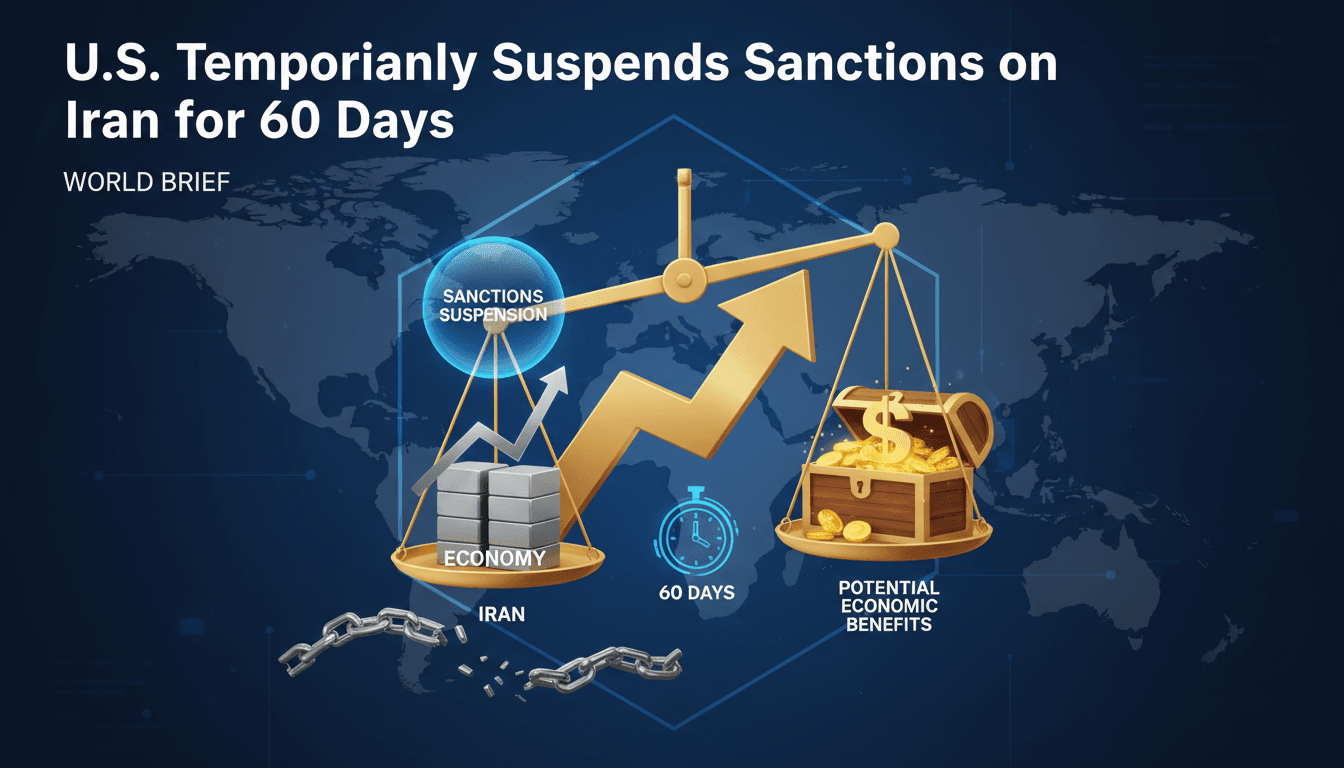
Here's what it means for you.
The U.S. has announced a temporary suspension of sanctions against Iran, which could open avenues for economic growth in Tehran. This decision may influence market dynamics and international relations, particularly in the energy sector. Stakeholders should remain vigilant as the situation evolves, given the complexities involved in navigating the sanctions landscape.
What happened
The U.S. has declared a 60-day suspension of sanctions against Iran, allowing the country to potentially reap economic benefits. This announcement marks a significant moment in U.S.-Iran relations, as it comes amid ongoing negotiations. The temporary nature of this relief raises questions about its long-term effectiveness and the challenges that lie ahead for Iran.
The sanctions regime against Iran has been in place for over 40 years, creating a complex web of legal and commercial hurdles. While Tehran could gain billions from this reprieve, the intricacies of dismantling such a longstanding sanctions framework could delay any lasting economic relief.
The Context
The backdrop of this announcement is a sanctions regime that has significantly impacted Iran's economy for decades. The interim deal's effectiveness in providing lasting relief remains uncertain, as legal complexities and private-sector risk concerns could hinder progress. Stakeholders, including international markets, will be closely monitoring the developments in U.S.-Iran negotiations.
The timing of this suspension is critical, as it reflects a strategic moment in diplomatic relations. The U.S. aims to balance its foreign policy objectives while addressing the economic needs of Iran, making this a pivotal point in the ongoing dialogue between the two nations.
Takeaway
The future of U.S.-Iran relations will depend on how effectively Iran navigates the intricate sanctions landscape. Observers should watch for developments in negotiations and any reactions from international markets regarding the sanctions relief. The path forward for Iran's economy hinges on addressing the multifaceted challenges posed by the existing sanctions framework.
As the situation unfolds, the implications for both U.S. policy and Iran's economic conditions will become clearer. Stakeholders should remain engaged and prepared for potential shifts in the geopolitical landscape.
Regional and international reporting focused on Middle Eastern politics, diplomacy, and economics.
"Asharq Al-Awsat is a Saudi-owned international newspaper reflecting mainstream Gulf political perspectives."
— A47 Editor
Undoing the ‘Tangled Nest’ of Iran Sanctions Won’t Be Easy or Quick
The intricate web of sanctions imposed on Iran presents significant challenges for the nation as it seeks to navigate complex negotiations with the United States. Recent discussions have been marked by cautious optimism from Iranian officials, who ar...
Regional coverage and analysis focused on politics, diplomacy, and business across the Middle East.
"Al-Monitor is known for analytical reporting on Middle East politics and policy developments."
— A47 Editor
Analysis-Undoing the 'tangled nest' of Iran sanctions won't be easy or quick
The United States has announced a 60-day reprieve from sanctions on Iran, coinciding with Tehran's agreement to allow international nuclear inspections. This temporary easing marks a significant shift in U.S. policy amid ongoing negotiations aimed at...
Oil, metals, and agriculture: supply/demand headlines, OPEC chatter, inventories, and price action.
"Solid tape for energy and metals traders tracking macro and micro catalysts."
— A47 Editor
Analysis-Undoing the ’tangled nest’ of Iran sanctions won’t be easy or quick
The recent interim agreement between the United States and Iran allows for the temporary easing of sanctions, enabling Iran to resume oil exports and access a significant economic development program. This development comes after years of stringent s...