
Data centers targeted in Ukraine-Russia and Middle East conflicts
Why it matters
The escalation of attacks on data centers highlights their dual-use nature, making them pivotal in both civilian and military operations.
What happened (in 30 seconds)
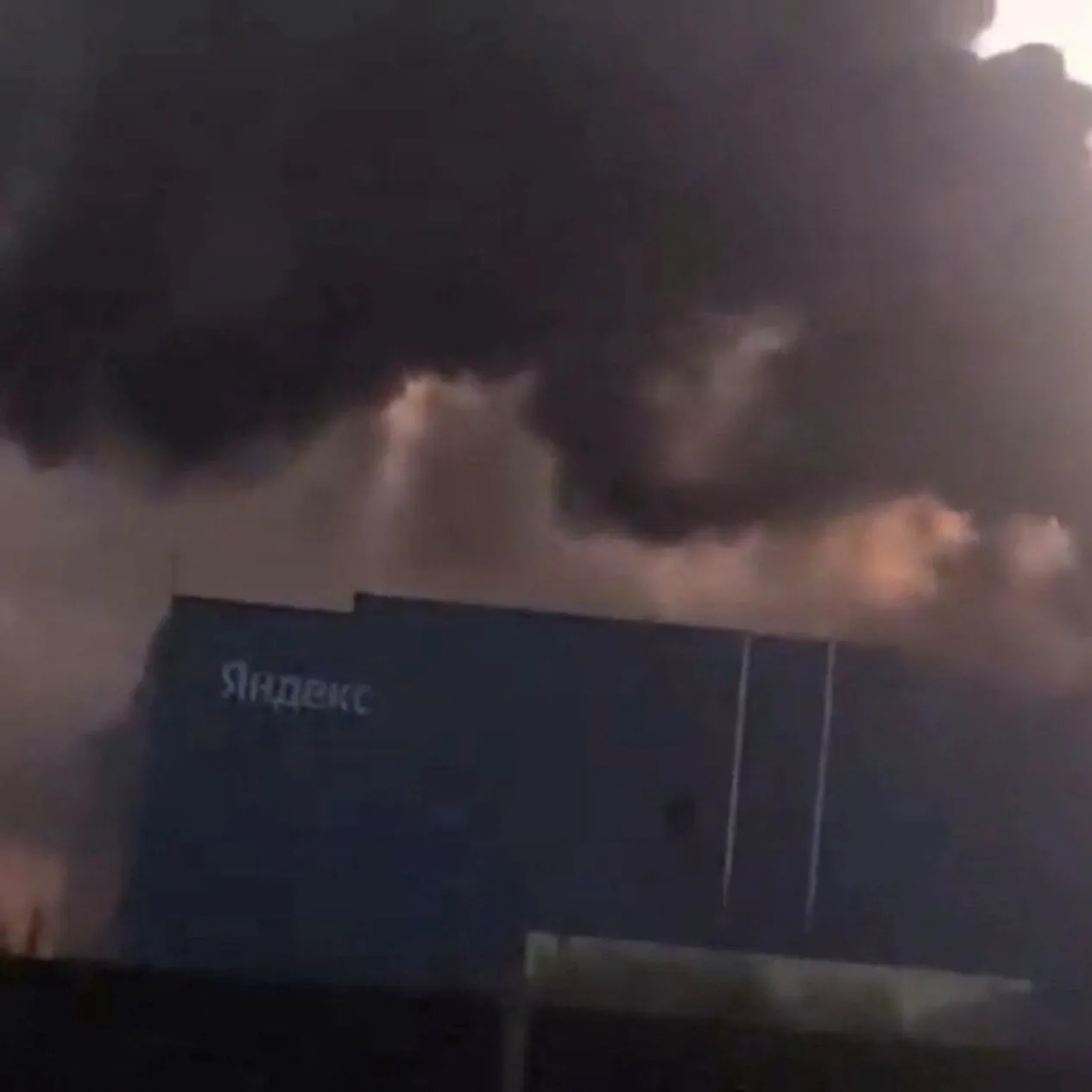
- Ukrainian drone strikes targeted three Yandex data centers in Russia from October 7-11, 2026, disrupting services for thousands.
- Iranian drones struck Amazon Web Services facilities in the UAE and Bahrain in March 2026, leading to permanent data loss in some regions.
- Russian forces intensified attacks on Ukrainian digital infrastructure starting September 2026, causing widespread internet and TV outages.
The context you actually need
- The Russia-Ukraine war has expanded beyond traditional military targets to include digital infrastructure, reflecting a new phase of hybrid warfare.
- Commercial data centers are increasingly integral to military logistics, AI, and civilian services, blurring the lines between civilian and military targets.
- Regional governments are reassessing their digital infrastructure security in light of these attacks, indicating a shift in how data centers are viewed in conflict scenarios.
What's really happening
The recent targeting of data centers in Ukraine and the Middle East underscores a significant shift in modern warfare tactics. As conflicts evolve, the lines between civilian and military infrastructure are increasingly blurred, with data centers emerging as high-value assets.
In Ukraine, the conflict has escalated since 2022, with Russian forces launching attacks on Ukrainian data centers and telecommunications infrastructure. This strategy aims to disrupt not only military communications but also civilian services, creating chaos and undermining public trust. The Ukrainian response, marked by drone strikes on Yandex facilities, illustrates a reciprocal targeting strategy where both sides aim to cripple each other's digital capabilities.
In the Middle East, the situation is similarly complex. Following U.S.-Israeli strikes on Iranian positions, Iranian forces retaliated by targeting AWS facilities in the Gulf. This not only resulted in permanent data loss but also highlighted the vulnerabilities of cloud services that many businesses depend on. The attacks on AWS facilities disrupted banking apps and payment systems, affecting residents and businesses in the UAE for months.
The implications of these developments are profound. As data centers become integral to military operations, they are increasingly viewed as legitimate military targets. This raises critical questions under international humanitarian law regarding the protection of civilian infrastructure during armed conflicts. The ongoing attacks have prompted companies like AWS to reassess their security measures, while regional governments are investing in hardened facilities and counter-drone defenses.
Moreover, the demand for robust cybersecurity and resilient infrastructure is likely to surge as businesses and governments recognize the risks associated with their reliance on cloud services. The dual-use nature of data centers means that any disruption can have cascading effects on civilian life, making it imperative for stakeholders to adapt to this new reality.
Who feels it first (and how)
- Businesses relying on cloud services: Disruptions can lead to service outages and financial losses.
- Residents in conflict zones: They face interruptions in essential services like banking and communications.
- Governments and military planners: They must reassess strategies for protecting critical infrastructure in light of new targeting tactics.
What to watch next
- Increased security measures: Expect heightened investments in cybersecurity and physical security for data centers as businesses adapt to the new threat landscape.
- Regulatory changes: Watch for potential shifts in international humanitarian law as the targeting of dual-use infrastructure raises legal questions.
- Market demand for counter-drone technologies: As attacks on data centers become more common, the market for defensive technologies is likely to grow.
Data centers are now strategic military targets in ongoing conflicts.
There will be increased investment in security measures for data centers globally.
The long-term implications for international humanitarian law regarding civilian infrastructure remain to be seen.
Frequently Asked Questions
- Why it matters?
- The escalation of attacks on data centers highlights their dual-use nature, making them pivotal in both civilian and military operations.
- What happened (in 30 seconds)?
- Ukrainian drone strikes targeted three Yandex data centers in Russia from October 7-11, 2026, disrupting services for thousands. Iranian drones struck Amazon Web Services facilities in the UAE and Bahrain in March 2026, leading to permanent data loss in some regions. Russian forces intensified attacks on Ukrainian digital infrastructure starting September 2026, causing widespread internet and TV outages.
- What's really happening?
- The recent targeting of data centers in Ukraine and the Middle East underscores a significant shift in modern warfare tactics. As conflicts evolve, the lines between civilian and military infrastructure are increasingly blurred, with data centers emerging as high-value assets. In Ukraine, the conflict has escalated since 2022, with Russian forces launching attacks on Ukrainian data centers and telecommunications infrastructure. This strategy aims to disrupt not only military communications but
- Who feels it first (and how)?
- Businesses relying on cloud services: Disruptions can lead to service outages and financial losses. Residents in conflict zones: They face interruptions in essential services like banking and communications. Governments and military planners: They must reassess strategies for protecting critical infrastructure in light of new targeting tactics.
- What to watch next?
- Increased security measures: Expect heightened investments in cybersecurity and physical security for data centers as businesses adapt to the new threat landscape. Regulatory changes: Watch for potential shifts in international humanitarian law as the targeting of dual-use infrastructure raises legal questions. Market demand for counter-drone technologies: As attacks on data centers become more common, the market for defensive technologies is likely to grow.
Markets, economy, and company analysis from NYT’s business desk.
"The New York Times is a globally recognized newspaper offering authoritative reporting with a center-left editorial stance."
— A47 Editor
Data Centers Become Targets in Wars in Ukraine, Russia and the Middle East
Military forces have increasingly targeted data centers in Ukraine, Russia, and the Middle East, with a recent incident involving a Ukrainian drone strike on a Yandex data center in Sasovo, Russia, resulting in a fire. This attack highlights the stra...
24/7 international news from a French perspective in multiple languages.
"France 24 is viewed as a globally focused outlet with balanced coverage and a European perspective."
— A47 Editor
Have Ukrainian strikes on Yandex data centres hit Russian online disinformation?
Recent Ukrainian strikes on Yandex data centers have reportedly led to a noticeable decrease in pro-Russian and far-right populist content on social media, as internet users claim that these attacks have disrupted Russian disinformation operations.
Top international stories selected by The Guardian editors.
"The Guardian is known for its progressive editorial stance and in-depth analysis."
— A47 Editor
Did Ukrainian strikes on Russian datacentres reduce online disinformation?
Over the weekend, Ukraine conducted airstrikes on multiple datacentres belonging to the Russian search engine Yandex, resulting in significant damage and operational disruptions. Ukrainian President Volodymyr Zelenskyy claimed that these strikes have...
International coverage of politics, culture, and current affairs.
"BBC News is widely regarded as a reputable international news organization, known for its impartial tone and public service mandate."
— A47 Editor
Is Zelensky right to say data centre strikes have taken down Russian bots?
Ukrainian President Volodymyr Zelensky claimed that recent strikes on Yandex data centers have disrupted Russian bot operations, although experts have found no evidence supporting this assertion. The attacks on Yandex, a major Russian tech company, h...