
Record Maritime Attacks in Strait of Hormuz Amid US-Iran Conflict Escalation
Why it matters
The Strait of Hormuz is a critical chokepoint for global oil shipments, and disruptions here can ripple through energy markets worldwide.
What happened (in 30 seconds)
- Attacks surged: Between October 5 and 11, 2026, 12 vessels were attacked, the highest weekly total since the US-Israeli conflict with Iran began.
- Oil exports declined: Oil transit volumes through the strait fell to 12.6 million barrels per day, down from 15 million at the end of September.
- Escalating tensions: Iranian forces have intensified their maritime operations, targeting vessels on unauthorized routes amid ongoing military conflicts.
The context you actually need
- Ongoing conflict: The escalation follows the US-Israeli military campaign against Iran that began in late February 2026, with Iran retaliating by targeting commercial shipping.
- Temporary recovery: Prior to this surge, oil shipments had shown signs of recovery in September 2026, but recent attacks have reversed that trend.
- Increased naval presence: The US Navy has ramped up naval assistance requests in response to the heightened threat level in the region.
What's really happening
The recent escalation of maritime attacks in the Strait of Hormuz is a direct consequence of the ongoing US-Israeli military campaign against Iran, which began in February 2026. This conflict has prompted Iran to adopt aggressive tactics to assert control over the vital waterway, a strategic chokepoint for global oil shipments. The Islamic Revolutionary Guard Corps (IRGC) has claimed responsibility for several attacks, framing them as necessary actions to enforce national security and retaliate against perceived threats.
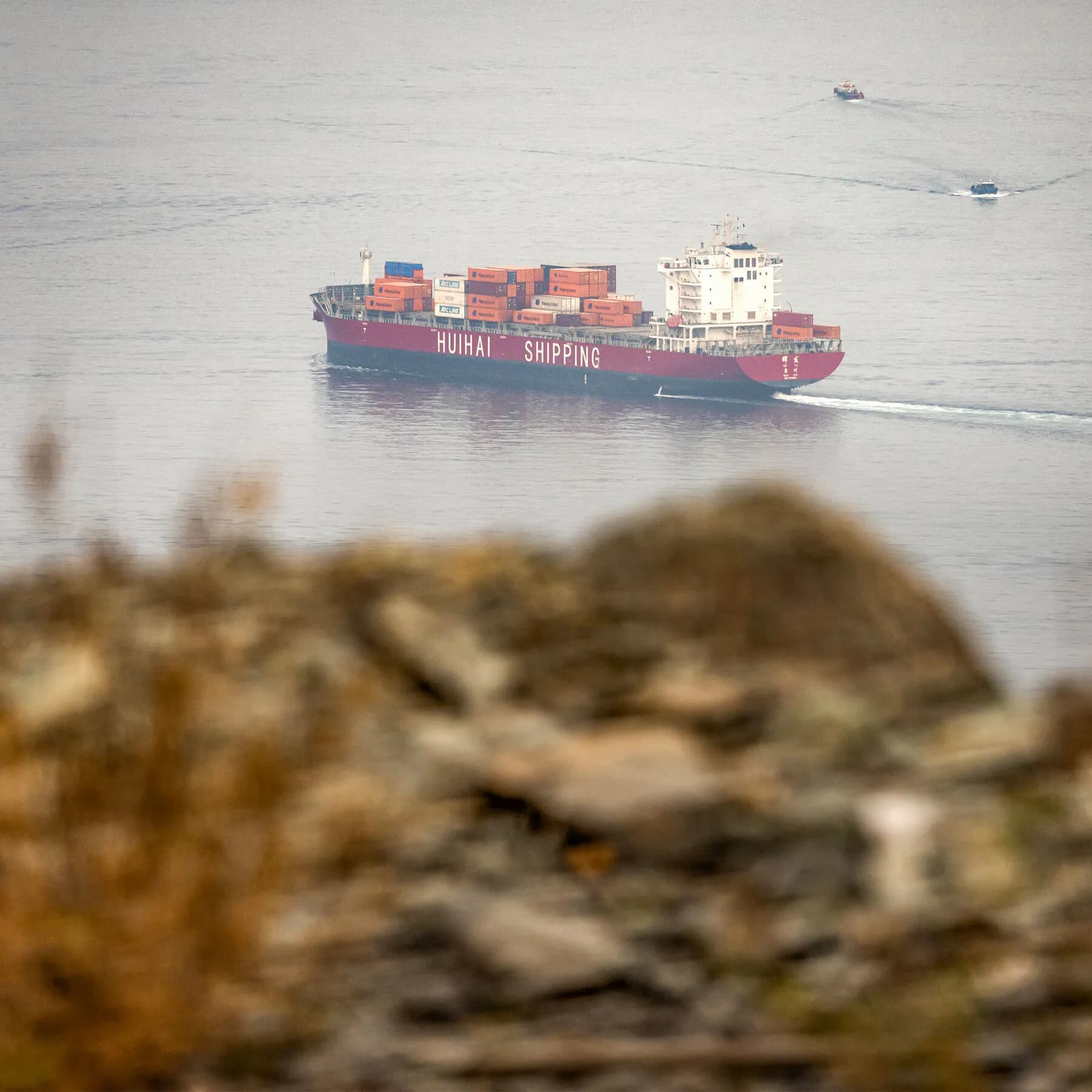
Between October 5 and 11, the UK Maritime Trade Operations (UKMTO) recorded a record 12 vessel attacks, surpassing the previous week's total of 10. This spike in incidents has raised alarms among shipping companies and maritime authorities, leading to a severe threat assessment by the Joint Maritime Information Center (JMIC). The attacks have targeted both tankers and container ships, with the most notable incident occurring on October 13, when the Singapore-flagged GFS Pride was struck, caught fire, and sank, although all crew members were safely evacuated.
The implications of these attacks extend beyond immediate maritime safety concerns. Oil transit volumes through the Strait of Hormuz have declined significantly, dropping to 12.6 million barrels per day by October 13, down from 15 million at the end of September. This reduction is alarming, especially considering that the pre-war baseline was around 17 million barrels per day. The disruption in oil exports not only affects energy markets but also has broader economic ramifications, including potential increases in energy costs and supply chain delays for goods transiting the region.
As the situation evolves, shipping companies are reassessing their transit routes and insurance premiums are likely to rise due to the increased risk. The maritime industry is facing a critical juncture, where the balance between operational safety and economic viability is being tested. The ongoing conflict and Iran's aggressive posture in the Strait of Hormuz signal that this situation is far from resolved, and the potential for further escalations remains high.
Who feels it first (and how)
- Shipping companies: Increased operational costs and insurance premiums due to heightened risk.
- Energy consumers: Potential rise in energy prices as oil exports decline.
- Logistics firms: Delays in goods transit could disrupt supply chains, affecting delivery times and costs.
- Investors: Market volatility in energy stocks and commodities as a result of fluctuating oil supply.
What to watch next
- Oil price fluctuations: Monitor changes in global oil prices as disruptions continue; this will impact energy costs for consumers.
- Military responses: Watch for any escalations in military presence or actions by the US Navy in the region, which could further affect shipping routes.
- Shipping insurance rates: Keep an eye on maritime insurance premiums, which may rise as the risk of attacks increases, impacting shipping costs.
Attacks on vessels in the Strait of Hormuz have reached record levels, disrupting oil exports.
Continued military tensions will lead to further maritime security risks and potential increases in energy costs.
The long-term impact on global oil supply and shipping routes remains uncertain as the situation develops.
Frequently Asked Questions
- Why it matters?
- The Strait of Hormuz is a critical chokepoint for global oil shipments, and disruptions here can ripple through energy markets worldwide.
- What happened (in 30 seconds)?
- Attacks surged: Between October 5 and 11, 2026, 12 vessels were attacked, the highest weekly total since the US-Israeli conflict with Iran began. Oil exports declined: Oil transit volumes through the strait fell to 12.6 million barrels per day, down from 15 million at the end of September. Escalating tensions: Iranian forces have intensified their maritime operations, targeting vessels on unauthorized routes amid ongoing military conflicts.
- What's really happening?
- The recent escalation of maritime attacks in the Strait of Hormuz is a direct consequence of the ongoing US-Israeli military campaign against Iran, which began in February 2026. This conflict has prompted Iran to adopt aggressive tactics to assert control over the vital waterway, a strategic chokepoint for global oil shipments. The Islamic Revolutionary Guard Corps (IRGC) has claimed responsibility for several attacks, framing them as necessary actions to enforce national security and retaliate
- Who feels it first (and how)?
- Shipping companies: Increased operational costs and insurance premiums due to heightened risk. Energy consumers: Potential rise in energy prices as oil exports decline. Logistics firms: Delays in goods transit could disrupt supply chains, affecting delivery times and costs. Investors: Market volatility in energy stocks and commodities as a result of fluctuating oil supply.
- What to watch next?
- Oil price fluctuations: Monitor changes in global oil prices as disruptions continue; this will impact energy costs for consumers. Military responses: Watch for any escalations in military presence or actions by the US Navy in the region, which could further affect shipping routes. Shipping insurance rates: Keep an eye on maritime insurance premiums, which may rise as the risk of attacks increases, impacting shipping costs.
Global markets, investing, and macroeconomics from a premier financial newsroom.
"Bloomberg is respected for in-depth financial reporting and data-driven analysis."
— A47 Editor
Container Ship Sinks in Strait of Hormuz as Attacks Ramp Up
A cargo ship sank in the Strait of Hormuz following a strike that ignited a fire, prompting the evacuation of crew members, as reported by the Maritime and Port Authority of Singapore. This incident underscores the escalating military tensions in the...
Markets, economy, and company analysis from NYT’s business desk.
"The New York Times is a globally recognized newspaper offering authoritative reporting with a center-left editorial stance."
— A47 Editor
Attacks on Ships in Strait of Hormuz Escalate Sharply
Recent attacks on ships in the Strait of Hormuz have escalated sharply, raising significant concerns over maritime safety in this critical waterway. U.S. officials indicate that Iran's targeting capabilities have improved, making transit increasingly...
Regional coverage and analysis focused on politics, diplomacy, and business across the Middle East.
"Al-Monitor is known for analytical reporting on Middle East politics and policy developments."
— A47 Editor
Two ships sink near Hormuz after being hit by projectiles amid surge in attacks
In the past 24 hours, two vessels—a container ship and a dry bulk carrier—sank near the Strait of Hormuz after being struck by projectiles, marking a significant escalation in maritime attacks in the region. This surge in violence coincides with Iran...
International coverage from The Guardian's global desks.
"The Guardian is known for its progressive editorial stance and in-depth analysis."
— A47 Editor
Two container ships sink near strait of Hormuz amid surge in Iranian attacks
Two container ships have sunk near the Strait of Hormuz after being struck by missiles, marking a significant escalation in Iranian attacks on maritime vessels amid rising tensions linked to the ongoing US-Israel conflict with Iran. This incident ref...
Global political, business, and cultural coverage from WSJ international desks.
"The Wall Street Journal offers extensive international reporting with a reputation for financial insight and a center-right editorial stance."
— A47 Editor
Two Cargo Ships Sink Near Strait of Hormuz, as Iranian Attacks Increase
Two cargo ships have sunk near the Strait of Hormuz amid escalating Iranian attacks, coinciding with increased U.S. military efforts to secure oil transport through this critical maritime corridor. The incidents highlight the rising tensions in the r...
Regional coverage and analysis focused on politics, diplomacy, and business across the Middle East.
"Al-Monitor is known for analytical reporting on Middle East politics and policy developments."
— A47 Editor
Iran shifting tactics to step up attacks on shipping before US vote, officials say
Iran is reportedly shifting its tactics to increase attacks on shipping in the Strait of Hormuz, aiming to maintain high oil prices and influence the upcoming U.S. midterm elections, according to senior Iranian officials. This escalation comes amid a...
Regional coverage and analysis focused on politics, diplomacy, and business across the Middle East.
"Al-Monitor is known for analytical reporting on Middle East politics and policy developments."
— A47 Editor
What's behind Iran’s intensifying attacks on shipping in Hormuz?
Iran has intensified its attacks on shipping in the Strait of Hormuz, coinciding with a broader campaign against U.S.-backed oil shipping, raising significant concerns over maritime safety. This escalation is seen as a strategic move by Tehran to inc...