
Iraq and Syria sign agreement to restore oil pipeline with U.S. support
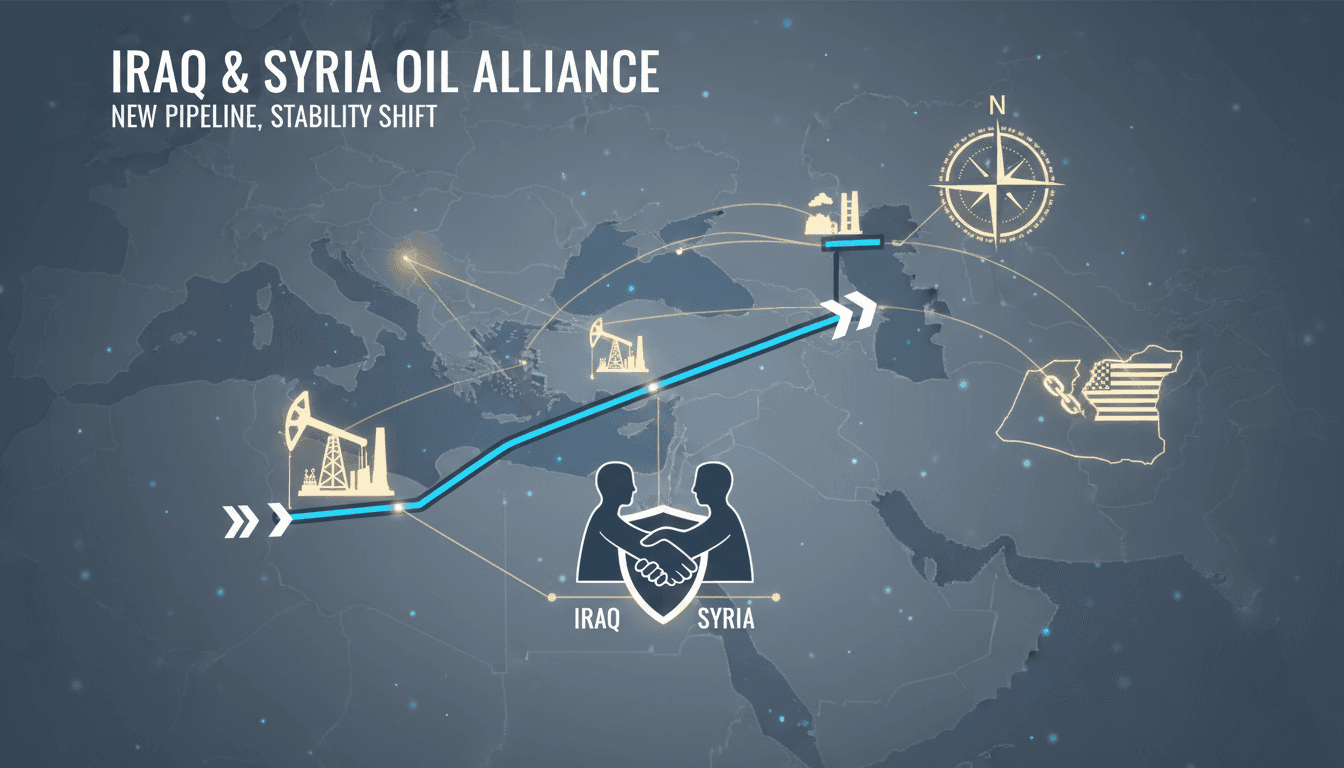
Here's what it means for you.
The recent agreement between Iraq and Syria to restore the Iraq-Syria crude oil pipeline signifies a strategic shift in regional energy dynamics. This development is expected to enhance Iraq's oil export capabilities while reducing its reliance on the Strait of Hormuz, a critical chokepoint for global oil transport. The backing from the United States underscores the importance of energy security in the Middle East and may lead to strengthened economic ties between Iraq and U.S. companies. As the project unfolds, stakeholders will closely monitor its implications for Iraq's economy and regional geopolitical stability. The restoration of this pipeline could reshape energy cooperation in the region, impacting both local and international markets.
What happened
Iraq and Syria have officially signed a deal to restore the Iraq-Syria crude oil pipeline, a significant infrastructure project aimed at enhancing oil export capabilities. This agreement was made during the Iraqi Prime Minister's visit to Washington, highlighting the importance of U.S. support in the initiative. The pipeline will connect Kirkuk in Iraq to Syria's Mediterranean coast, providing an alternative route for oil exports.
The restoration of this long-defunct pipeline is expected to alleviate Iraq's dependence on the Strait of Hormuz for oil transport. This strategic move is seen as a way to bolster regional energy ties and improve Iraq's position in the global oil market.
The Context
The Iraq-Syria pipeline restoration comes at a time when both countries are looking to strengthen their economic ties and enhance energy cooperation. The agreement is part of a broader strategy to reduce reliance on the Strait of Hormuz, which has been a focal point of geopolitical tensions in the region. With the U.S. backing, this project reflects American interests in ensuring energy security in the Middle East.
The signing of this deal is significant, as it marks one of 48 agreements made between Iraq and U.S. companies, showcasing a commitment to fostering economic relationships. The timing of this agreement aligns with ongoing discussions about energy security and the need for alternative routes in the face of regional instability.
Takeaway
The restoration of the Iraq-Syria pipeline could significantly alter the energy landscape in the region. As the project progresses, it will be crucial to monitor its impact on Iraq's economy and the potential geopolitical reactions from neighboring countries. Observers should pay attention to how this initiative influences energy security and regional stability moving forward.
The implications of this agreement extend beyond immediate economic benefits, potentially reshaping alliances and energy dynamics in the Middle East. Stakeholders will be keen to see how the restoration project unfolds and its effects on Iraq's oil export strategy.
Global news coverage with extensive reporting on Middle Eastern conflicts and geopolitics.
"Al Jazeera is a Qatar-based broadcaster known for wide regional coverage and alternative perspectives."
— A47 Editor
Iraq signs 48 deals with US companies during PM’s visit to Washington
Iraq has signed 48 agreements with U.S. companies during Prime Minister Ali al-Zaidi's visit to Washington, including a significant deal to rebuild the Iraq-Syria crude oil pipeline, which could provide an alternative route for oil exports, bypassing...
Comprehensive coverage of Middle Eastern and global issues.
"Al Jazeera is a prominent voice from the Global South, especially the Middle East, with an emphasis on underreported stories."
— A47 Editor
Iraq signs 48 deals with US companies during PM’s visit to Washington
Iraq has signed 48 agreements with U.S. companies during Prime Minister Ali al-Zaidi's visit to Washington, including a significant deal to rebuild the Iraq-Syria crude oil pipeline, which could provide an alternative route for oil exports, bypassing...
Global business headlines with AI angles.
"General business outlet that frequently covers AI."
— A47 Editor
Iraq And Syria Have Signed A Deal To Restore A Major Oil Pipeline. It Would Create An Alternative To The Strait Of Hormuz.
Iraq and Syria have signed a deal to restore a major oil pipeline that will connect the oil-rich city of Kirkuk in northern Iraq to Syria's Mediterranean coast. This project aims to enhance oil transportation and energy security for both nations.
Pan-Arab news coverage spanning politics, business, sports, and regional affairs.
"Asharq Al-Awsat reflects a broad Arab editorial perspective with strong attention to regional geopolitics."
— A47 Editor
خط نفطي جديد يربط العراق وسوريا برعاية أميركية
Iraq and Syria signed an agreement on Friday, under the auspices of the United States, to establish a new oil pipeline intended to help Baghdad reduce its reliance on the Strait of Hormuz.