
US Treasury Sanctions Greek-Panamanian Law Firm Over Iranian Oil Operations
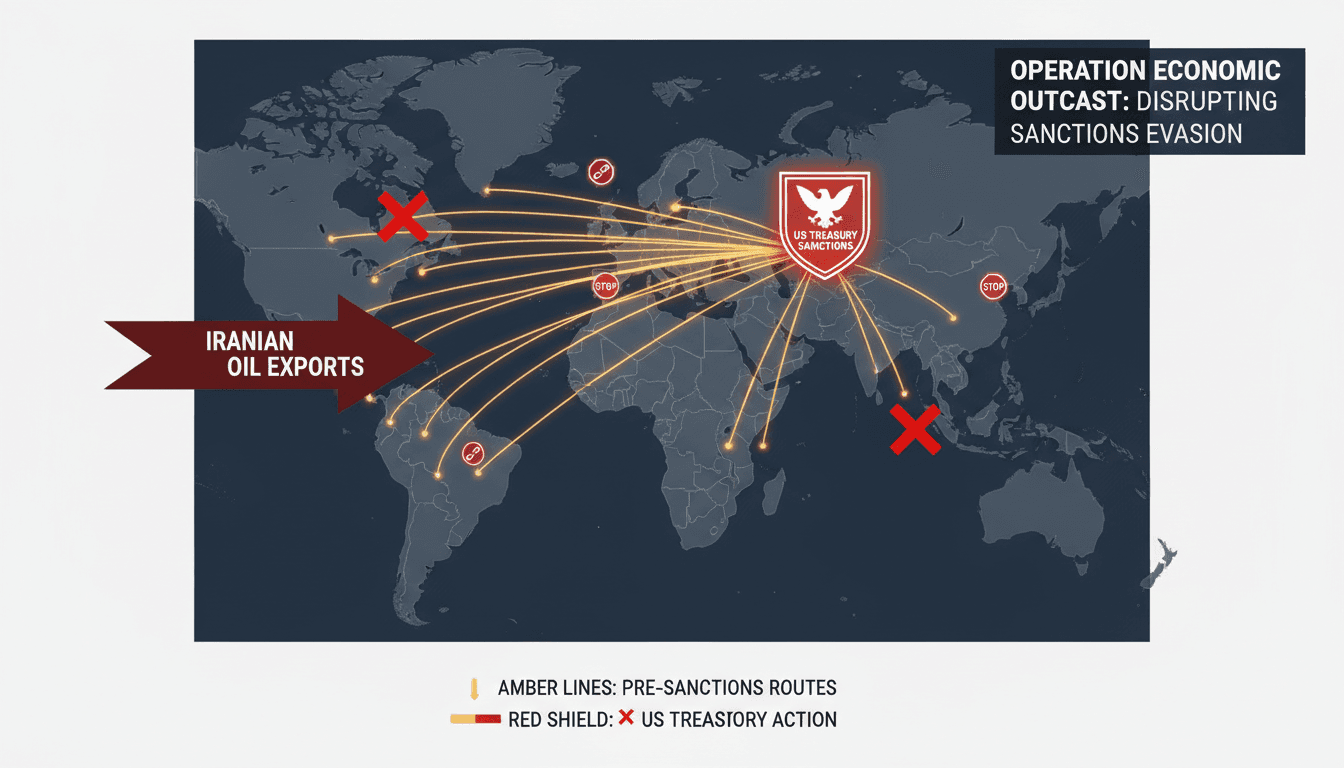
Why it matters
The sanctions signal a tightening grip on Iranian oil exports, impacting global supply chains and financial institutions.
What happened (in 30 seconds)
- On October 21, 2026, the US Treasury sanctioned the Greek-Panamanian law firm Karnakis and Karnakis for facilitating Iranian oil shipments.
- An investigation was launched into an unnamed Greek bank's potential ties to Iranian networks, marking a significant escalation in enforcement efforts.
- Operation Economic Outcast, initiated in August 2026, aims to disrupt Iranian sanctions-evasion strategies across Europe.
The context you actually need
- The US has long targeted Iranian oil exports, with sanctions designed to cut off revenue streams for the Iranian regime and its military proxies.
- Operation Economic Outcast extends scrutiny beyond shipping entities to include professional service providers, reflecting a broader strategy to combat sanctions evasion.
- The sanctions also affect other entities, including shipping agents in Singapore and the UAE, indicating a coordinated international effort against Iranian oil trade.
What's really happening
On October 21, 2026, the US Treasury imposed sanctions on the law firm Karnakis and Karnakis, which has been implicated in facilitating the registration of shipping companies that transport Iranian commodities worth hundreds of millions of dollars. This firm allegedly obscured the beneficial ownership of these companies, enabling the Iranian regime to continue its oil and petrochemical exports despite existing sanctions. The sanctions are part of a broader initiative known as Operation Economic Outcast, launched in August 2026, which aims to sever the financial lifelines of the Iranian regime and its military affiliates.
The sanctions against Karnakis and Karnakis are particularly significant because they represent a shift in focus from traditional shipping entities to professional service providers that support these operations. The US Department of the Treasury's Office of Foreign Assets Control (OFAC) and the Financial Crimes Enforcement Network (FinCEN) are now scrutinizing the financial networks that enable these transactions. The investigation into an unnamed Greek bank is a critical component of this effort, as it seeks to uncover potential financial ties to Iranian networks, which could lead to further sanctions or penalties.
The implications of these actions extend beyond the immediate targets. The Greek Ministry of Finance has confirmed its commitment to implementing the sanctions and enhancing anti-money laundering measures. This could lead to increased compliance costs for banks and businesses operating in Europe, particularly those with ties to the shipping and oil sectors. Additionally, the sanctions may prompt other countries to reevaluate their own financial and legal frameworks regarding Iranian trade, potentially leading to a ripple effect across global markets.
As the investigation unfolds, it is likely that more entities will come under scrutiny, particularly those involved in the maritime and logistics sectors. The sanctions also highlight the interconnectedness of global trade and finance, where actions taken by one country can have far-reaching consequences for businesses and economies worldwide.
Who feels it first (and how)
- International banks: Increased scrutiny on Iran-related transactions may lead to higher compliance costs and operational risks.
- Shipping companies: Firms involved in transporting Iranian commodities could face sanctions or reputational damage.
- Legal and financial service providers: Those facilitating international trade may need to enhance compliance measures to avoid penalties.
- Energy markets: Fluctuations in oil supply due to sanctions could impact pricing and availability in global markets.
What to watch next
- Increased regulatory scrutiny: Watch for heightened compliance requirements from banks and financial institutions regarding Iranian transactions.
- Potential new sanctions: Additional sanctions could be imposed on other entities linked to Iranian oil trade, affecting global supply chains.
- Market reactions: Monitor how energy markets respond to these sanctions, particularly in terms of oil prices and availability.
The US Treasury has sanctioned Karnakis and Karnakis for facilitating Iranian oil shipments.
Other entities involved in Iranian trade may face sanctions as investigations continue.
The long-term impact on global oil prices and supply chains remains uncertain.
Frequently Asked Questions
- Why it matters?
- The sanctions signal a tightening grip on Iranian oil exports, impacting global supply chains and financial institutions.
- What happened (in 30 seconds)?
- On October 21, 2026, the US Treasury sanctioned the Greek-Panamanian law firm Karnakis and Karnakis for facilitating Iranian oil shipments. An investigation was launched into an unnamed Greek bank's potential ties to Iranian networks, marking a significant escalation in enforcement efforts. Operation Economic Outcast, initiated in August 2026, aims to disrupt Iranian sanctions-evasion strategies across Europe.
- What's really happening?
- On October 21, 2026, the US Treasury imposed sanctions on the law firm Karnakis and Karnakis, which has been implicated in facilitating the registration of shipping companies that transport Iranian commodities worth hundreds of millions of dollars. This firm allegedly obscured the beneficial ownership of these companies, enabling the Iranian regime to continue its oil and petrochemical exports despite existing sanctions. The sanctions are part of a broader initiative known as Operation Economic
- Who feels it first (and how)?
- International banks: Increased scrutiny on Iran-related transactions may lead to higher compliance costs and operational risks. Shipping companies: Firms involved in transporting Iranian commodities could face sanctions or reputational damage. Legal and financial service providers: Those facilitating international trade may need to enhance compliance measures to avoid penalties. Energy markets: Fluctuations in oil supply due to sanctions could impact pricing and availability in global mark
- What to watch next?
- Increased regulatory scrutiny: Watch for heightened compliance requirements from banks and financial institutions regarding Iranian transactions. Potential new sanctions: Additional sanctions could be imposed on other entities linked to Iranian oil trade, affecting global supply chains. Market reactions: Monitor how energy markets respond to these sanctions, particularly in terms of oil prices and availability.
Arabic-language coverage of political affairs and current events.
"Okaz political coverage typically follows mainstream Saudi framing on national and regional affairs."
— A47 Editor
واشنطن تطارد شبكات إيران في أوروبا.. عقوبات تطال محامين يونانيين وتحقيق بشأن بنك
The United States has expanded its pursuit of shipping and financing networks linked to Iran into Greece, imposing sanctions on a law firm and announcing an investigation into potential connections between a Greek bank and Tehran. The U.S. Treasury D...
Arabic-language coverage of international news and geopolitics.
"RT Arabic is a Russian state-funded outlet often criticized for promoting Kremlin-aligned narratives."
— A47 Editor
عقوبات أمريكية تستهدف مكتب محاماة في اليونان لدعمه قطاع الشحن الإيراني
The U.S. Department of the Treasury imposed sanctions on the law firm Karnakis & Karnakis, operating in Greece and Panama, for providing support to the Iranian shipping sector over several years. This action reflects ongoing efforts by the U.S. gover...
Regional coverage and analysis focused on politics, diplomacy, and business across the Middle East.
"Al-Monitor is known for analytical reporting on Middle East politics and policy developments."
— A47 Editor
US sanctions Greece-, Panama-based law firm over aid to Iranian shipping
The US Treasury Department has imposed sanctions on the law firm Karnakis & Karnakis, based in Greece and Panama, for allegedly providing legal assistance to Iranian shipping networks over several years. This action is part of the US government's ong...