
Russia Accelerates Underground Data Center Relocation After Ukrainian Drone Strikes Disable Yandex and Sberbank Facilities
Why it matters
Centralized sovereign digital architectures face structural vulnerability when physical compute hubs become strategic strike targets, forcing capital-intensive relocations and abrupt regulatory reversals.
What happened (in 30 seconds)
- Coordinated drone strikes disabled primary digital hubs: Between October 7 and October 14, 2026, Ukrainian long-range strikes hit three Yandex facilities across Sasovo, Kaluga, and Vladimir, alongside Sberbank's Balakovo site and facilities tied to VK and the Ministry of Finance, disrupting domestic cloud services, banking platforms, and artificial intelligence supercomputers.
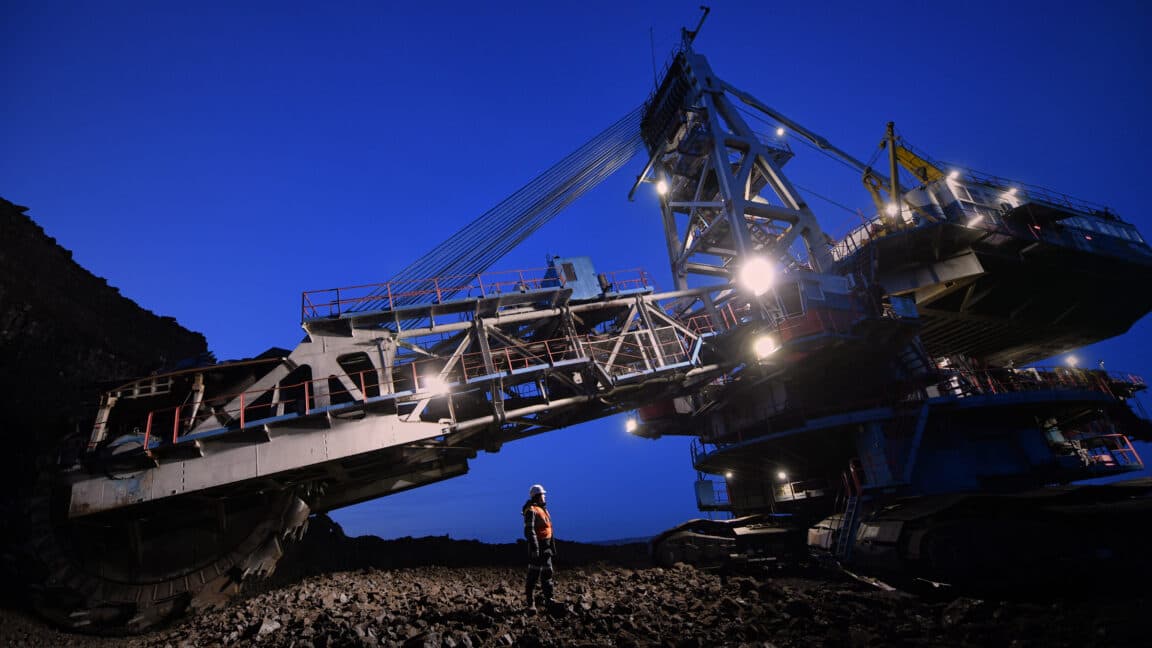
- State firms opened subterranean infrastructure negotiations: State-owned telecommunications provider Rostelecom initiated formal discussions with mining company Norilsk Nickel to build hardened data centers inside former mines, while regional authorities explored open-pit coal sites utilizing surface camouflage.
- A wartime decree introduced structural compute controls: On November 2, 2026, Vladimir Putin signed an emergency directive forcing private operators to reserve 10% of their operational capacity for state use on 24-hour notice, while authorizing foreign cloud hosting under FSB security oversight.
The context you actually need
- The Sovereign Internet Law concentrated physical targets: Moscow's multi-year effort to isolate national internet infrastructure centralized national digital traffic into a concentrated network of high-capacity server farms operated primarily by Yandex, Sberbank, and VK.
- Infrastructure targeting triggered mutual exposure: After Russian forces struck Ukrainian computing assets in late September 2026, Ukrainian forces retaliated with precision long-range strikes specifically calibrated against Russia’s commercial compute clusters.
- Surface facilities carry unsustainable defense liabilities: While surface data centers feature significant energy and thermal footprints that make them easily identifiable, relocating high-density compute underground incurs an estimated 40% capital premium over standard construction.
What's really happening
The physical vulnerability of Russia's high-performance compute demonstrates the operational limits of digital sovereignty under active aerial conflict. When the Kremlin enforced sovereign digital infrastructure following the 2022 invasion of Ukraine, the strategic objective was insulation from external network interdiction. By centralizing cloud storage, consumer banking, and artificial intelligence model training inside domestic operators like Yandex and Sberbank, the state reduced external exposure while inadvertently creating concentrated, fixed geographic targets.
The strikes throughout October 2026 revealed that high-performance compute clusters cannot survive modern long-range drone saturation without radical physical protection. Subterranean facilities offer blast dampening, thermal masking, and physical shielding against kinetic fragmentation. However, deploying enterprise servers inside former mining excavations—such as those managed by Norilsk Nickel in regions like Krasnoyarsk—reconfigures infrastructure economics. Subterranean data centers require retrofitted power feeds, custom vertical cooling shafts to disperse extreme heat output, and vibration insulation to protect delicate microchips from ground shifts. These structural requirements raise capital expenditure by an estimated 40% compared to surface development.
This capital and engineering barrier explains the November 2 decree's dual mandate. By legally seizing 10% of all private compute capacity on 24-hour notice, the state transfers commercial server inventory into public continuity reserves without absorbing initial build-out costs. Simultaneously, the decree reverses years of absolute domestic data containment by permitting operators to route specific workloads to foreign data centers under FSB oversight.
This regulatory concession reveals an immediate domestic deficit: Russian state institutions and commercial platforms face an acute compute shortage that domestic facilities—degraded by strikes and restricted by supply friction—cannot absorb. Until subterranean mining corridors or camouflaged coal pits reach operational status, Russian operators must balance sovereign containment mandates against practical capacity realities. The trade-off shifts from maximizing technological autonomy to basic physical preservation.
Who feels it first (and how)
- Russian private tech and cloud providers: Platforms like Yandex and VK face immediate regulatory overhead, as diverting 10% of their total capacity to state reserve pools within 24 hours cuts into commercial enterprise margins.
- Domestic banking and retail consumers: Retail users face platform latency and localized downtime, as demonstrated by the October outages across Sberbank and consumer cloud services following strikes in Kaluga, Vladimir, and Balakovo.
- Industrial mining operators: Firms like Norilsk Nickel must assess the conversion viability, structural modifications, and dual-use liabilities of leasing underground shafts and heavy grid infrastructure to telecommunications providers.
- Foreign cloud service providers under security clearance: Overseas data center vendors willing to host Russian workloads under direct FSB review gain sudden access to a market previously sealed by data-localization laws.
What to watch next
- Execution of the Rostelecom–Norilsk Nickel partnership: Watch for confirmed joint venture filings or engineering contract tenders indicating whether deep mine shafts can successfully cool and power high-density artificial intelligence supercomputing clusters.
- Regional open-pit conversion pilots: Monitor Krasnoyarsk and surrounding mining districts for regional government subsidies dedicated to retrofitting disused surface mines into camouflaged infrastructure.
- The volume of FSB foreign-hosting permits: Track how many exemptions the FSB grants to private enterprise, which serves as a precise barometer of Russia's internal computing deficit.
Ukrainian strikes between October 7 and October 14 damaged key data centers in Sasovo, Kaluga, Vladimir, and Balakovo; the November 2 presidential decree mandates a 10% compute capacity reservation for the state; building underground facilities carries an estimated 40% cost premium over standard construction.
Russian enterprise cloud hosting prices will climb sharply to offset the combined financial impact of the 10% government reservation mandate and high retrofitting expenditures.
Whether subterranean cooling and ventilation solutions can scale quickly enough to prevent further processing bottlenecks before domestic AI operations experience long-term degradation.
Frequently Asked Questions
- Why it matters?
- Centralized sovereign digital architectures face structural vulnerability when physical compute hubs become strategic strike targets, forcing capital-intensive relocations and abrupt regulatory reversals.
- What happened (in 30 seconds)?
- Coordinated drone strikes disabled primary digital hubs: Between October 7 and October 14, 2026, Ukrainian long-range strikes hit three Yandex facilities across Sasovo, Kaluga, and Vladimir, alongside Sberbank's Balakovo site and facilities tied to VK and the Ministry of Finance, disrupting domestic cloud services, banking platforms, and artificial intelligence supercomputers. State firms opened subterranean infrastructure negotiations: State-owned telecommunications provider Rostelecom initiate
- What's really happening?
- The physical vulnerability of Russia's high-performance compute demonstrates the operational limits of digital sovereignty under active aerial conflict. When the Kremlin enforced sovereign digital infrastructure following the 2022 invasion of Ukraine, the strategic objective was insulation from external network interdiction. By centralizing cloud storage, consumer banking, and artificial intelligence model training inside domestic operators like Yandex and Sberbank, the state reduced external ex
- Who feels it first (and how)?
- Russian private tech and cloud providers: Platforms like Yandex and VK face immediate regulatory overhead, as diverting 10% of their total capacity to state reserve pools within 24 hours cuts into commercial enterprise margins. Domestic banking and retail consumers: Retail users face platform latency and localized downtime, as demonstrated by the October outages across Sberbank and consumer cloud services following strikes in Kaluga, Vladimir, and Balakovo. Industrial mining operators: Firms lik
- What to watch next?
- Execution of the Rostelecom–Norilsk Nickel partnership: Watch for confirmed joint venture filings or engineering contract tenders indicating whether deep mine shafts can successfully cool and power high-density artificial intelligence supercomputing clusters. Regional open-pit conversion pilots: Monitor Krasnoyarsk and surrounding mining districts for regional government subsidies dedicated to retrofitting disused surface mines into camouflaged infrastructure. The volume of FSB foreign-hosting p
Consumer tech news, reviews, and buying guides for gadgets and electronics.
"TechRadar is known for comprehensive buying advice, hardware reviews, and consumer tech news targeted at mainstream audiences."
— A47 Editor
Putin says Russian companies can now use foreign data centers following wave of major Ukraine drone strikes
Russian President Vladimir Putin has announced that Russian companies may now use data centers located outside the country, after a wave of Ukrainian drone strikes hit three Yandex data center facilities inside Russia. The base report, published by T...
In-depth reporting on tech, policy, and science including AI.
"Respected analysis for technically savvy readers, including AI topics."
— A47 Editor
Ukraine’s drone strikes spur hasty Russian plans for underground data centers
Ukraine's drone strikes have prompted Russia to hastily pursue plans to relocate and protect its data center infrastructure, including camouflage, anti-drone nets and possibly underground facilities, after exposed digital infrastructure was hit in th...
In-depth coverage of hardware, software, science, and policy.
"Ars Technica provides expert technology news, hardware reviews, and analysis for a technically savvy audience."
— A47 Editor
Ukraine’s drone strikes spur hasty Russian plans for underground data centers
Ukraine's drone strikes have prompted Russia to hastily pursue plans to relocate and protect its data center infrastructure, including camouflage, anti-drone nets and possibly underground facilities, after exposed digital infrastructure was hit in th...
Curated tech headlines including AI stories.
"Influential aggregator surfacing the day’s top tech/AI links."
— A47 Editor
Putin orders owners of non-state data centers to reserve 10% of capacity for Russia's IT infrastructure after Ukrainian drone attacks on Russian facilities (Reuters)
Russian President Vladimir Putin has ordered owners of non-state data centers to reserve 10% of their capacity to keep Russia's IT infrastructure running, following Ukrainian drone attacks on Russian facilities, as reported by Reuters and aggregated ...
Technology business and AI-related headlines.
"Data-driven tech newsroom with global scope."
— A47 Editor
Russia Allows Use of Foreign Data Centers in Wake of Attacks
Russia will temporarily permit the use of data centers located outside its borders after a series of Ukrainian attacks targeted facilities belonging to tech giant Yandex, according to Bloomberg Technology.
Technology business news, market impacts, and innovation trends.
"Bloomberg is a premier financial and tech news provider, respected for its in-depth reporting and analytical rigor."
— A47 Editor
Russia Allows Use of Foreign Data Centers in Wake of Attacks
Russia will temporarily permit the use of data centers located outside its borders after a series of Ukrainian attacks targeted facilities belonging to tech giant Yandex, according to Bloomberg Technology.