
US-Led Iran Conflict Drives First Global Fossil Emissions Decline Since 2020
Why it matters
A rare annual drop in worldwide carbon output caused by conflict-induced price rationing exposes how dependent global emissions metrics remain on fossil fuel supply shocks rather than structural industrial transformation.
What happened (in 30 seconds)
- Emissions contracted: Global fossil fuel carbon dioxide emissions fell by 0.4% in 2026 to 38.2 billion tonnes, marking the first annual drop since the 2020 pandemic lockdowns.
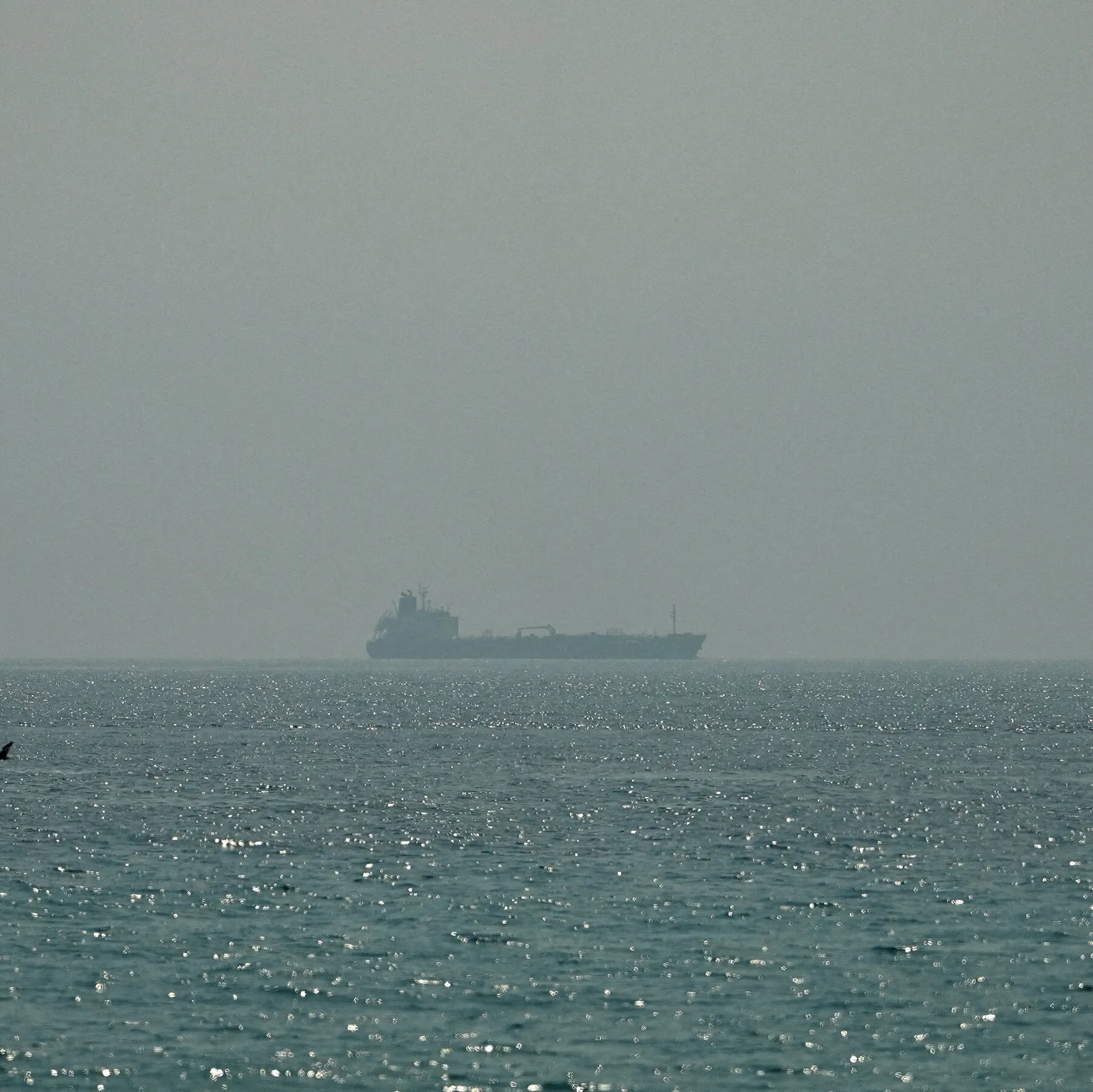
- Hormuz closed repeatedly: Military escalation involving the United States and Iran in early 2026 shut access to the Strait of Hormuz, driving acute crude price spikes and an oil-specific emissions decline of nearly 2%.
- COP31 took note: Scientists from the Global Carbon Project presented these findings on November 9–10, 2026, at COP31 in Antalya, Turkey, attributing the trend to conflict rather than intentional policy.
The context you actually need
- The previous baseline was growth: Before the 2026 conflict, global carbon emissions were tracking upward, leaving the energy sector off-target for long-term decarbonization commitments.
- The fuel mix shifted unevenly: While petroleum-related carbon output fell between 1.9% and 2% and gas emissions dipped 0.3%, coal emissions grew by 0.6% as energy consumers sought alternative baseload power.
- Total output remained elevated: Factoring in land-use changes alongside industrial output, total atmospheric carbon dioxide additions reached 43.3 billion tonnes in 2026.
What's really happening
The headline 0.4% decline in global fossil fuel emissions in 2026 is an artifact of supply destruction, not systemic efficiency. When military actions disrupted shipping lanes through the Strait of Hormuz in February and March of 2026, global markets lost reliable access to one of the world's most critical crude conduits. The result was an immediate pricing mechanism that forced demand destruction across international industrial operations and logistics networks.
Petroleum consumption dropped enough to drive an oil-specific emissions reduction of nearly 2%. However, this decline operated through economic friction rather than capital reallocation. Businesses and consumers cut fuel purchases because barrel costs surged, altering shipping frequencies, air transport schedules, and freight volumes. When price is the primary rationing mechanism, carbon reductions last only as long as transit corridors remain inaccessible.
At the same time, regional power grids demonstrated the limits of forced fossil curtailment. While natural gas emissions contracted by 0.3%, coal-derived emissions rose by 0.6%. In economies where fuel substitution was viable, power producers responded to expensive crude and restricted hydrocarbons by leaning into available solid fuels. This substitution diluted the climate benefits of reduced oil burn, illustrating how rapid supply constraints can inadvertently prolong reliance on higher-emitting alternatives.
Long-term energy investments continued alongside the conflict. Renewable energy generation expanded throughout 2026, absorbing a fraction of the baseline demand that high crude prices shed. Yet researchers from the Global Carbon Project highlighted that structural decarbonization played a secondary role compared to the physical bottleneck in the Gulf.
For commercial operators, this creates a volatile operating environment. A reduction derived from infrastructure blockages sets up an inevitable rebound. The moment maritime security normalizes and the risk premium leaves the barrel, delayed transportation activity typically surges to clear backlogged freight, returning emissions trajectories to their prior baseline.
Who feels it first (and how)
- Air and maritime freight operators: Face sustained fuel surcharges and route adjustments, directly elevating standard cargo transport costs per nautical mile.
- Gulf-based commercial hubs: Businesses and residents across regional logistics centers, including Dubai, face elevated transportation fuel costs and localized operating friction from regional maritime bottlenecks.
- Utilities balancing input costs: Energy providers reliant on flexible thermal generation absorb margin volatility by rotating toward domestic coal or available alternatives when crude derivatives spike.
- Heavy industrial procurement teams: Petrochemical and manufacturing buyers manage restricted feedstock volumes, balancing production run rates against elevated hydrocarbon inputs.
What to watch next
- Strait of Hormuz commercial transit volume: Track daily vessel counts through the strait; a return toward normal tanker traffic will signal the immediate reversal of oil consumption constraints.
- Post-conflict coal burn rates: Watch power-sector generation data across import-reliant industrial markets to observe whether coal demand retreats once liquid fuels restabilize.
- Post-conflict logistics rebounds: Monitor global aviation and freight indices for sharp compensatory volume increases that typically follow periods of forced operational suppression.
Global fossil carbon dioxide emissions dropped 0.4% to 38.2 billion tonnes in 2026, with oil emissions falling nearly 2% due to high crude prices caused by the Iran conflict and Hormuz closures.
Emissions will quickly rebound once military tensions ease, shipping lanes stabilize, and oil prices adjust downward to baseline levels.
The degree to which 2026 capital deployments into renewable energy generation will permanently offset hydrocarbon demand once regional supply corridors fully reopen.
Frequently Asked Questions
- Why it matters?
- A rare annual drop in worldwide carbon output caused by conflict-induced price rationing exposes how dependent global emissions metrics remain on fossil fuel supply shocks rather than structural industrial transformation.
- What happened (in 30 seconds)?
- Emissions contracted: Global fossil fuel carbon dioxide emissions fell by 0.4% in 2026 to 38.2 billion tonnes, marking the first annual drop since the 2020 pandemic lockdowns. Hormuz closed repeatedly: Military escalation involving the United States and Iran in early 2026 shut access to the Strait of Hormuz, driving acute crude price spikes and an oil-specific emissions decline of nearly 2%. COP31 took note: Scientists from the Global Carbon Project presented these findings on November 9–10, 202
- What's really happening?
- The headline 0.4% decline in global fossil fuel emissions in 2026 is an artifact of supply destruction, not systemic efficiency. When military actions disrupted shipping lanes through the Strait of Hormuz in February and March of 2026, global markets lost reliable access to one of the world's most critical crude conduits. The result was an immediate pricing mechanism that forced demand destruction across international industrial operations and logistics networks. Petroleum consumption dropped e
- Who feels it first (and how)?
- Air and maritime freight operators: Face sustained fuel surcharges and route adjustments, directly elevating standard cargo transport costs per nautical mile. Gulf-based commercial hubs: Businesses and residents across regional logistics centers, including Dubai, face elevated transportation fuel costs and localized operating friction from regional maritime bottlenecks. Utilities balancing input costs: Energy providers reliant on flexible thermal generation absorb margin volatility by rotating t
- What to watch next?
- Strait of Hormuz commercial transit volume: Track daily vessel counts through the strait; a return toward normal tanker traffic will signal the immediate reversal of oil consumption constraints. Post-conflict coal burn rates: Watch power-sector generation data across import-reliant industrial markets to observe whether coal demand retreats once liquid fuels restabilize. Post-conflict logistics rebounds: Monitor global aviation and freight indices for sharp compensatory volume increases that typi
UAE-based newspaper covering Gulf politics, society, and international developments.
"Gulf News is one of the UAE’s most prominent English-language publications."
— A47 Editor
Fossil fuel emissions fall due to Iran war, renewables: research
A research analysis reported by Gulf News finds that fossil fuel emissions have fallen, with the decline attributed to the Iran war and to growth in renewable energy. The base report frames the drop as a consequence of the regional conflict rather th...
A curated Gulf News feed featuring major stories across news, business, opinion, and lifestyle.
"Gulf News is a major UAE newspaper whose featured stories feed reflects a broad editorial mix shaped for a Gulf audience."
— A47 Editor
Fossil fuel emissions fall due to Iran war, renewables: research
A research analysis reported by Gulf News finds that fossil fuel emissions have fallen, with the decline attributed to the Iran war and to growth in renewable energy. The base report frames the drop as a consequence of the regional conflict rather th...
Scientific discoveries, health, technology, and natural phenomena.
"Live Science reports on scientific discoveries, health, technology, and natural phenomena with a popular science tone."
— A47 Editor
Iran war helps fuel global drop in fossil fuel emissions — but there’s a catch
Global carbon emissions from fossil fuels are projected to fall by 0.4% this year, ahead of the COP31 U.N. climate conference, driven by expanding installed wind and solar capacity and oil price increases tied to the Iran conflict. Scientists say cli...
Scientific research, space, environment, and health coverage.
"The New York Times is a globally recognized newspaper offering authoritative reporting with a center-left editorial stance."
— A47 Editor
Iran War Unexpectedly Drove Down Carbon Emissions This Year
Global carbon emissions fell this year for the first time since the 2020 pandemic, a decline attributed in part to the Iran war, according to reporting by The New York Times. Researchers cautioned that the dip may be only temporary and could reverse ...