
Iran Stages 14 Tankers at Kharg Island to Test US Naval Blockade in Strait of Hormuz
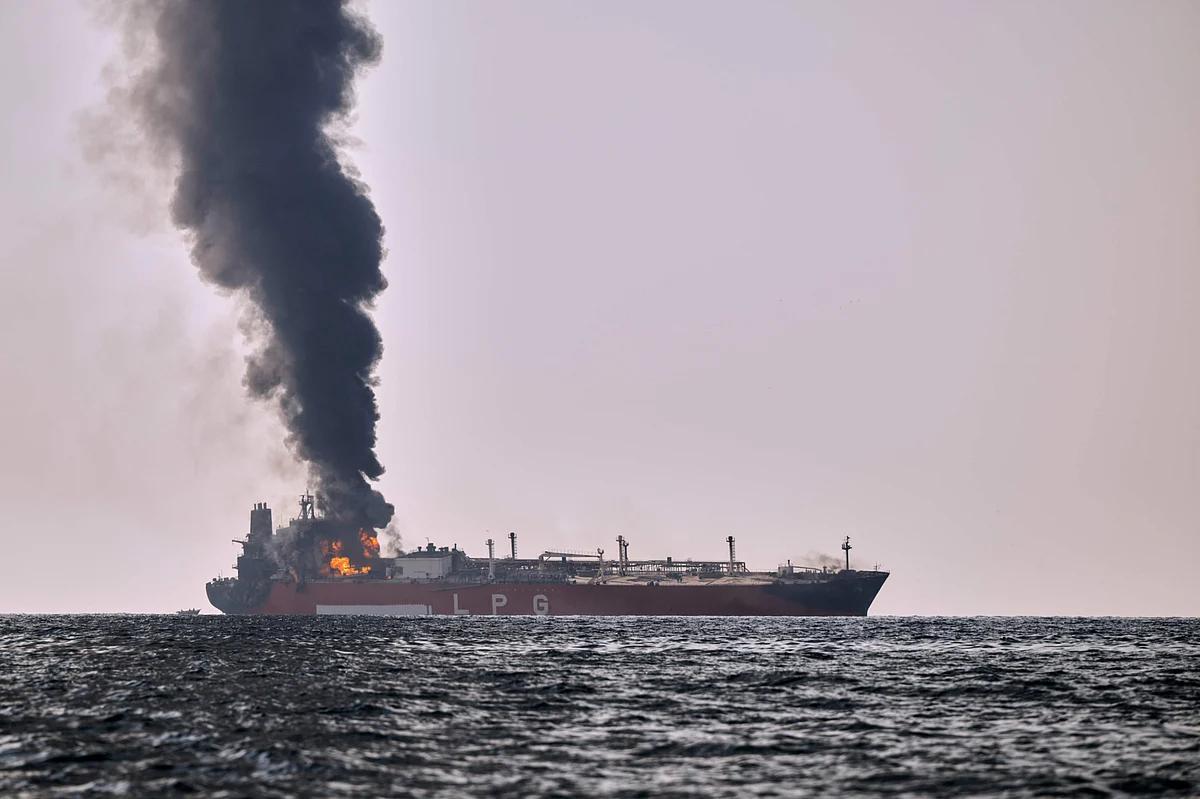
Persistent maritime friction along key export corridors creates upward pressure on regional shipping premiums, baseline import logistics, and corporate energy pricing.
Why it matters
A contested standoff in the Strait of Hormuz directly threatens a chokepoint responsible for significant global crude flows while compounding existing logistics and commodity volatility.
What happened (in 30 seconds)
- Tehran assembled an export convoy: Satellite imagery and vessel-tracking logs from late November 2026 show more than 14 fully loaded, Iranian-flagged oil tankers gathered at Kharg Island with assigned crews.
- Direct challenge to naval enforcement: The mobilization aims to breach a reinstated US maritime blockade that has cut vessel traffic through the corridor and stranded roughly 43 million barrels of domestic crude.
- Escalation warnings issued: While Qatari and Omani intermediaries engage in diplomatic channels, US leadership stated attempting vessels will be sunk, and Iranian officials warned of strikes against regional energy infrastructure if intercepted.
The context you actually need
- The blockade timeline: The US naval blockade was first implemented on April 13, 2026, lifted temporarily in June, and reinstated on July 14, 2026, after an interim understanding dissolved.
- The primary loading hub: Kharg Island processes between 85% and 90% of Iran's crude shipments, making any fleet positioning at this terminal a direct precursor to maritime movement.
- A 65% operational decline: Weekly transit data from the UK Maritime Trade Operations (UKMTO) indicates Strait of Hormuz passages dropped to 263 crossings by mid-November 2026, reflecting a 65% decline relative to pre-conflict baselines.
What's really happening
The standoff at Kharg Island is not merely posturing; it is driven by acute fiscal and infrastructural pressures. Iran faces monthly revenue losses estimated between $3 billion and $6 billion under the reinstated blockade. Compounded by domestic power shortages and deferred infrastructure maintenance, Tehran’s balance sheet is rapidly deteriorating. For the administration, sitting on roughly 43 million barrels of immobilized oil represents an ongoing, destabilizing economic loss.
To shift these dynamics, Iranian planners are deploying an operational convoy. Moving individual vessels invites low-profile interdiction; moving an integrated, flagged formation of 14 tankers tests the enforcement capacity of US Central Command forces. This strategy shifts the tactical burden onto the enforcing fleet: either allow commercial cargo to pass, weakening the blockade’s credibility, or conduct a public, multi-ship interception in the Gulf of Oman that risks wider escalation.
The geopolitical mechanics involve regional mediation. Qatari officials held direct diplomatic meetings in Tehran on November 21, 2026, while coordination lines remain open through Oman. Both Gulf intermediaries seek to broker diplomatic compromises before loaded tankers enter open waters. Yet the structural incentives are sharply misaligned. The US administration under President Donald Trump has committed to sinking ships that attempt transit, viewing strict enforcement as essential to sanction leverage. Conversely, Iranian officials, including Deputy Foreign Minister Kazem Gharibabadi, characterize the blockade as an act of war, stating that any military engagement with the fleet will trigger strikes against energy installations across the Arabian Gulf.
Meanwhile, commercial shipping is already pricing in severe friction. A 65% drop in weekly transits demonstrates that commercial maritime operators are systematically avoiding the area. Tankers that continue to run Gulf routes face steep war-risk surcharges, higher crew hazard pay, and complex routing requirements near Omani waters. Even absent kinetic engagements, the mere preparation of a 14-tanker breakout increases baseline logistics costs across all Arabian Gulf supply chains, tightening global fuel supply lines regardless of final transit execution.
Who feels it first (and how)
- Regional fleet operators and maritime insurers: Incur steep war-risk underwriting fees, legal verification burdens, and rerouting costs away from Kharg Island corridors.
- Gulf import-export logistics firms: Face schedule disruptions, higher transport surcharges, and secondary freight price inflation across regional hubs like Dubai.
- Commercial industrial consumers: Experience volatility in fuel oil allocations, baseline utility input costs, and energy-intensive manufacturing overhead.
- Energy trading desks: Forced to factor persistent geopolitical transit risk premiums into physical crude purchases and refined product contracts.
What to watch next
- Convoy movement beyond territorial waters: Vessel-tracking signals showing loaded tankers clearing Kharg Island toward the Strait of Hormuz will mark the shift from preparatory posturing to operational confrontation.
- Diplomatic outputs from Doha and Muscat: Concrete de-escalation frameworks or crude release mechanisms agreed upon via Qatari or Omani talks will signal whether economic relief can be achieved short of physical transit.
- Enforcement maneuvers by US Central Command: Deployments, repositioning statements, or active maritime warnings issued across the Gulf of Oman will indicate the likelihood of direct interception.
More than 14 loaded Iranian tankers are positioned at Kharg Island; Strait of Hormuz shipping volumes are down 65%; the US blockade has stranded 43 million barrels of crude.
Commercial marine insurance premiums for regional transit will remain elevated regardless of whether the fleet initiates an immediate sailing attempt.
Whether Tehran will execute an outright transit test or leverage the loaded convoy as tactical leverage in active diplomatic meetings brokered by Qatar.
Frequently Asked Questions
- Why it matters?
- A contested standoff in the Strait of Hormuz directly threatens a chokepoint responsible for significant global crude flows while compounding existing logistics and commodity volatility.
- What happened (in 30 seconds)?
- Tehran assembled an export convoy: Satellite imagery and vessel-tracking logs from late November 2026 show more than 14 fully loaded, Iranian-flagged oil tankers gathered at Kharg Island with assigned crews. Direct challenge to naval enforcement: The mobilization aims to breach a reinstated US maritime blockade that has cut vessel traffic through the corridor and stranded roughly 43 million barrels of domestic crude. Escalation warnings issued: While Qatari and Omani intermediaries engage in dip
- What's really happening?
- The standoff at Kharg Island is not merely posturing; it is driven by acute fiscal and infrastructural pressures. Iran faces monthly revenue losses estimated between $3 billion and $6 billion under the reinstated blockade. Compounded by domestic power shortages and deferred infrastructure maintenance, Tehran’s balance sheet is rapidly deteriorating. For the administration, sitting on roughly 43 million barrels of immobilized oil represents an ongoing, destabilizing economic loss. To shift these
- Who feels it first (and how)?
- Regional fleet operators and maritime insurers: Incur steep war-risk underwriting fees, legal verification burdens, and rerouting costs away from Kharg Island corridors. Gulf import-export logistics firms: Face schedule disruptions, higher transport surcharges, and secondary freight price inflation across regional hubs like Dubai. Commercial industrial consumers: Experience volatility in fuel oil allocations, baseline utility input costs, and energy-intensive manufacturing overhead. Energy tradi
- What to watch next?
- Convoy movement beyond territorial waters: Vessel-tracking signals showing loaded tankers clearing Kharg Island toward the Strait of Hormuz will mark the shift from preparatory posturing to operational confrontation. Diplomatic outputs from Doha and Muscat: Concrete de-escalation frameworks or crude release mechanisms agreed upon via Qatari or Omani talks will signal whether economic relief can be achieved short of physical transit. Enforcement maneuvers by US Central Command: Deployments, repos
RT is a Russian state-funded network covering global events from a Russian perspective.
"RT is widely criticized for promoting pro-Kremlin narratives and is considered by many to be a state propaganda outlet."
— A47 Editor
Trump dares Iran to breach US naval blockade
The United States has threatened a new bombing campaign against Iran and has dared Tehran to breach the US naval blockade, amid escalating hostilities and stalled peace talks, according to RT (Russia Today).
Conservative-leaning coverage of current events.
"Fox News is a highly influential conservative news outlet known for right-leaning political commentary and coverage."
— A47 Editor
Trump dares Iran to breach US port blockade as Tehran reportedly readies 14 oil tankers
Fox News reported that Iran has reportedly positioned 14 oil tankers at Kharg Island in an apparent attempt to breach the U.S. naval blockade of Iranian ports, while President Donald Trump publicly dared Tehran to test American naval forces in the Pe...
UAE-based newspaper covering Gulf politics, society, and international developments.
"Gulf News is one of the UAE’s most prominent English-language publications."
— A47 Editor
Hormuz showdown? Cash-strapped Iran readies 14 tankers to break US blockade. What happens if they try?
Iran is reportedly preparing 14 tankers to attempt to break a US naval blockade in the Strait of Hormuz, a critical oil transit corridor, at a time when the waterway remains largely blocked amid an ongoing conflict involving Iran, the United States a...
A curated Gulf News feed featuring major stories across news, business, opinion, and lifestyle.
"Gulf News is a major UAE newspaper whose featured stories feed reflects a broad editorial mix shaped for a Gulf audience."
— A47 Editor
Hormuz showdown? Cash-strapped Iran readies 14 tankers to break US blockade. What happens if they try?
Iran is reportedly preparing 14 tankers to attempt to break a US naval blockade in the Strait of Hormuz, a critical oil transit corridor, at a time when the waterway remains largely blocked amid an ongoing conflict involving Iran, the United States a...
English-language reporting on Saudi politics, policy, and society.
"Saudi Gazette reflects mainstream Saudi institutional perspectives."
— A47 Editor
Iran readies tanker convoy at Kharg Island to test US oil blockade
Iran has positioned more than 14 oil tankers at Kharg Island in a convoy poised to attempt to break the US naval blockade of its oil exports, satellite imagery and ship-tracking data show. Crews have been assigned, Iranian flags raised, and Tehran pl...