
Iranian Attacks Disrupt Oil Shipping in the Strait of Hormuz
Here's what it means for you.
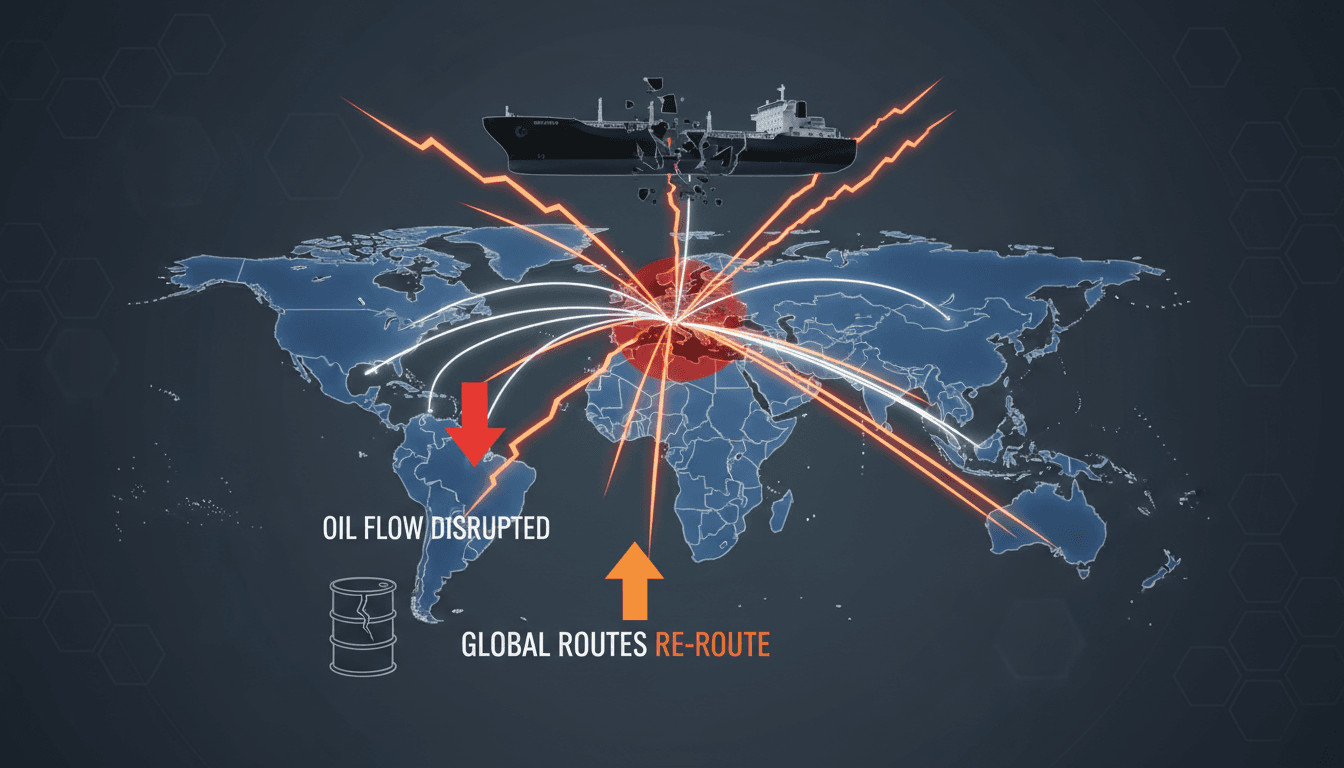
The recent Iranian attacks on shipping in the Strait of Hormuz have significant implications for the global oil market and shipping industry. With approximately 20% of the world's oil supply passing through this critical maritime route, disruptions could lead to increased oil prices and supply chain challenges. Stakeholders must now consider alternative routes and strategies to mitigate risks associated with reliance on this passage. As tensions escalate, the shipping industry faces a pivotal moment that may reshape operational strategies and market dynamics. The potential for a prolonged crisis could have lasting effects on global energy security and economic stability.
What happened
Iranian attacks have severely impacted oil transfers through the Strait of Hormuz, leading to a drastic slowdown in shipping operations. Reports indicate that shipping transits have slowed to a trickle following these military escalations. This situation has raised alarms within the shipping industry, prompting a reevaluation of operational strategies in the region.
The Strait of Hormuz is a vital shipping lane for global oil supplies, making the recent disruptions particularly concerning. As the situation unfolds, industry experts are closely monitoring the implications for oil markets and shipping logistics.
The Context
The Strait of Hormuz is crucial for global oil transportation, with about 20% of the world's oil supply passing through it. Recent military tensions have escalated, affecting shipping operations and raising concerns about the potential closure of this critical maritime route. The ongoing crisis has prompted industry analysts to warn of a worst-case scenario that could significantly impact global markets.
As stakeholders assess the situation, the urgency to secure alternative routes and strategies becomes paramount. The geopolitical landscape surrounding the Strait of Hormuz adds complexity to the shipping industry's response, as various actors navigate the risks involved.
Takeaway
The ongoing crisis in the Strait of Hormuz may lead to long-term changes in global shipping routes and oil supply chains. As tensions continue, the shipping industry and global markets will need to adapt to the evolving situation. Key areas to watch include potential military escalations in the region and the responses from global oil markets as they seek alternative supply routes.
The implications of these developments could reshape how oil is transported worldwide, emphasizing the need for strategic planning among stakeholders. The situation remains fluid, and the shipping industry must remain vigilant in its response to these challenges.
Corporate leadership, finance, technology, and market trends.
"Fortune covers financial trends, leadership, and innovation with a pragmatic editorial approach."
— A47 Editor
Shipping transits slow to a trickle as Strait of Hormuz faces “worst-case scenario”
Shipping transits through the Strait of Hormuz have drastically slowed, reaching a near halt due to escalating military tensions between the U.S. and Iran, marking a significant crisis for global shipping routes. This situation has been exacerbated b...
Oil, metals, and agriculture: supply/demand headlines, OPEC chatter, inventories, and price action.
"Solid tape for energy and metals traders tracking macro and micro catalysts."
— A47 Editor
Oil transfers outside Hormuz slow after Iranian attacks
Oil transfers outside the Strait of Hormuz have significantly slowed following a series of Iranian attacks, leading to heightened military tensions in the region. This situation has resulted in a notable decline in shipping activity, with reports ind...
Macro commentary, policy analysis, growth/inflation themes, and global outlooks.
"Contextual macro coverage that complements day-to-day market headlines."
— A47 Editor
What are the implications of a renewed closure of the Strait of Hormuz?
The Strait of Hormuz, a crucial maritime route for global oil supplies, faces renewed tensions as the United States reinstates a blockade on Iranian shipping, significantly impacting tanker traffic and oil prices. This escalation follows a series of ...