
Iran imposes new service fees for vessels in the Strait of Hormuz
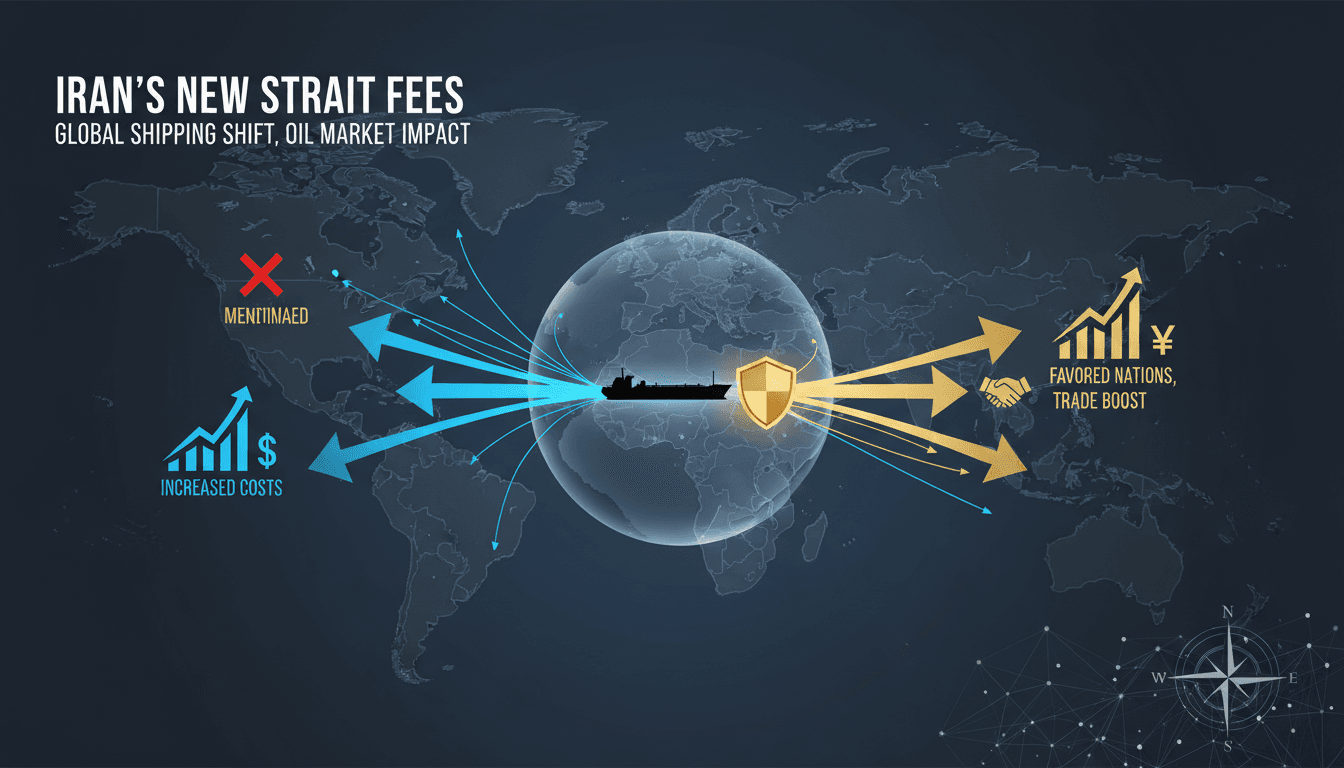
Here's what it means for you.
Iran's decision to impose service fees on vessels transiting the Strait of Hormuz signals a strategic shift in regional shipping dynamics. This move, particularly favorable to China, could reshape the landscape of international shipping and oil markets. As Iran strengthens its ties with allies, the implications for global trade routes and energy supply chains are significant. The introduction of these fees may also provoke reactions from the United States, potentially leading to further geopolitical tensions. Stakeholders in the shipping and oil industries should closely monitor developments as they could impact operational costs and market stability.
What happened
Iran has announced the implementation of service fees for vessels transiting the Strait of Hormuz, effective July 4, 2026. The country plans to offer special considerations to friendly nations, particularly China, which is a major buyer of Iranian oil. This decision comes amid ongoing tensions with the United States regarding shipping routes in the region.
The Iranian envoy to China has emphasized that these new fees will not apply uniformly, indicating a preferential treatment for allies. This strategic move is part of Iran's broader efforts to assert control over this critical shipping route while enhancing its economic ties with key partners.
The Context
The Strait of Hormuz is a vital passage for global oil shipments, with China purchasing nearly all of Iran's oil exports. Iran's relationship with China is crucial for its economy, especially as it faces U.S. opposition. The announcement of service fees reflects Iran's intent to strengthen its alliances and maintain influence in the region.
China has previously called for the unhindered flow of shipping through the Strait, highlighting the importance of this route for its energy security. As Iran navigates its geopolitical landscape, the implications of these fees could extend beyond regional borders, affecting global oil markets and shipping dynamics.
Takeaway
The introduction of service fees by Iran may lead to a significant shift in regional shipping dynamics, particularly for countries aligned with Iran. Observers should watch for potential U.S. reactions, which could include sanctions or other measures in response to this development.
Further developments in Iran-China relations will also be critical to monitor, as they may influence global oil supply and shipping routes. The evolving geopolitical landscape could have lasting effects on international trade and energy markets.
Global news coverage with extensive reporting on Middle Eastern conflicts and geopolitics.
"Al Jazeera is a Qatar-based broadcaster known for wide regional coverage and alternative perspectives."
— A47 Editor
Iran’s China envoy vows ‘special’ Hormuz treatment for ‘friendly’ countries
Iran's ambassador to China has announced plans to impose new fees on vessels transiting the Strait of Hormuz, emphasizing preferential treatment for 'friendly' nations despite objections from the United States. This move marks a significant shift in ...
Comprehensive coverage of Middle Eastern and global issues.
"Al Jazeera is a prominent voice from the Global South, especially the Middle East, with an emphasis on underreported stories."
— A47 Editor
Iran’s China envoy vows ‘special’ Hormuz treatment for ‘friendly’ countries
Iran's ambassador to China has announced plans to impose new fees on vessels transiting the Strait of Hormuz, emphasizing preferential treatment for 'friendly' nations despite objections from the United States. This move marks a significant shift in ...
Jordanian news and regional updates.
"Roya News is a Jordanian outlet focused on breaking news and local affairs."
— A47 Editor
طهران تعلن فرض بدل خدمات على سفن مضيق هرمز وتعد بمزايا للدول الصديقة
Tehran has announced the imposition of service fees on ships passing through the Strait of Hormuz, a critical maritime route for global oil shipments. This decision is part of Iran's broader strategy to enhance its economic leverage in the region whi...
Pan-Arab news coverage spanning politics, business, sports, and regional affairs.
"Asharq Al-Awsat reflects a broad Arab editorial perspective with strong attention to regional geopolitics."
— A47 Editor
سفير إيران لدى الصين: بكين ستحصل على «تسهيلات» في مضيق هرمز
Iran's Ambassador to China, Abdolreza Rahmani Fazli, announced that China and other friendly nations will receive 'special considerations' when Tehran determines the level and nature of service fees imposed in the Strait of Hormuz.
Corporate leadership, finance, technology, and market trends.
"Fortune covers financial trends, leadership, and innovation with a pragmatic editorial approach."
— A47 Editor
Iran’s envoy to China says Beijing to get Hormuz concessions
Iran's envoy to China announced that Beijing will receive concessions regarding the Strait of Hormuz, a critical maritime route for oil shipments. This statement comes as China, which imports nearly all of Iran's oil exports, emphasizes the importanc...