
Earliest evidence of plague discovered in Siberia dating back 5500 years
Here's what it means for you.
The discovery of plague evidence in Siberia has significant implications for our understanding of infectious diseases and their historical impact on human populations. This finding prompts a reevaluation of how early societies were affected by diseases, particularly among vulnerable groups such as children. As researchers delve deeper into ancient DNA analysis, we may uncover more about the dynamics of health and mortality in prehistoric communities.
What happened
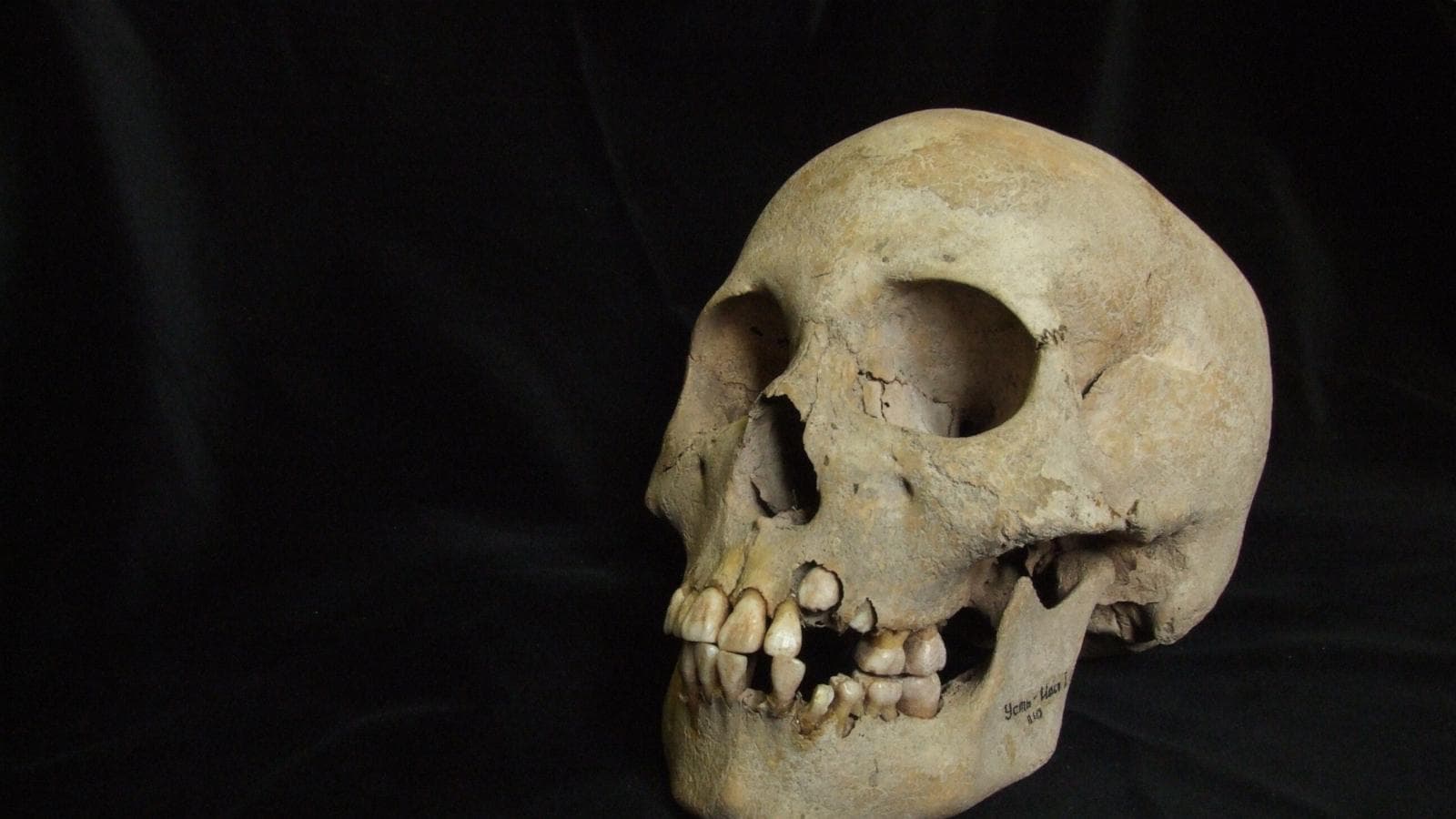
Recent archaeological discoveries in Siberia have unveiled the earliest known outbreak of plague, dating back approximately 5,500 years. Ancient DNA analysis from burial sites indicates that the bacterium Yersinia pestis was responsible for considerable mortality among hunter-gatherer communities. Notably, many of the victims were children, suggesting a heightened susceptibility to the disease.
This groundbreaking evidence reshapes our understanding of the timeline of plague outbreaks, revealing that the disease was present among these early human populations much earlier than previously estimated. The findings highlight the significant impact of Yersinia pestis on societal structures during the late Stone Age.
The Context
The emergence of Yersinia pestis as a bacterium occurred at least 200 years prior to this outbreak, indicating that the disease had been evolving before it affected human populations. The implications of this discovery extend beyond mere historical interest; they challenge existing narratives about the impact of infectious diseases on early human societies. Understanding how these diseases spread and affected communities can provide insights into the resilience and adaptations of ancient populations.
The findings also underscore the importance of studying ancient diseases to comprehend their long-term effects on human history and population dynamics. As researchers continue to explore these ancient burial sites, they may uncover further evidence that could reshape our understanding of health in prehistoric times.
Takeaway
These findings open new avenues for research into ancient diseases and their effects on human populations. Future studies may focus on the genetic adaptations of ancient communities in response to infectious diseases, providing a clearer picture of how societies evolved in the face of such challenges. The implications of this research could lead to a deeper understanding of the historical impact of plague and similar diseases on human development.
As the field of ancient DNA analysis progresses, we can expect more revelations that will enhance our comprehension of how infectious diseases shaped human history and societal structures.
Pan-Arab news coverage spanning politics, business, sports, and regional affairs.
"Asharq Al-Awsat reflects a broad Arab editorial perspective with strong attention to regional geopolitics."
— A47 Editor
قبل 5500 عام... الطاعون كان هنا
Researchers have analyzed ancient DNA extracted from human remains found in four burial sites, revealing that the plague existed 5,500 years ago. This discovery sheds light on the historical presence of infectious diseases in human populations.
Regional and international reporting focused on Middle Eastern politics, diplomacy, and economics.
"Asharq Al-Awsat is a Saudi-owned international newspaper reflecting mainstream Gulf political perspectives."
— A47 Editor
Ancient Teeth from Siberia Rewrite the Plague’s Timeline, Dating Back to over 5,500 Years Ago
Recent findings of ancient teeth in Siberia have revealed that the plague's timeline dates back over 5,500 years, suggesting a much earlier presence of the disease than previously understood. This discovery challenges existing historical narratives a...
Scientific discoveries, health, technology, and natural phenomena.
"Live Science reports on scientific discoveries, health, technology, and natural phenomena with a popular science tone."
— A47 Editor
Oldest known plague victims found in a 5,500-year-old burial ground in Siberia — and many of them were children
Recent discoveries in a 5,500-year-old burial ground in Siberia have revealed the oldest known victims of the plague, with many of the deceased being children. DNA analysis indicates that the bacterium Yersinia pestis was responsible for this early o...
Scientific research, technology, environment, and society.
"Scientific American is one of the oldest and most authoritative science magazines, known for deep dives into science, technology, and society."
— A47 Editor
Could this ancient burial site be the oldest lethal plague outbreak?
Recent DNA analysis of graves belonging to hunter-gatherers in Siberia suggests a deadly disease outbreak that may date back approximately 5,500 years, potentially marking one of the earliest known instances of a lethal plague.
Science and technology stories including AI.
"Longstanding science magazine with thoughtful AI coverage."
— A47 Editor
Could this ancient burial site be the oldest lethal plague outbreak?
Recent DNA analysis of graves belonging to hunter-gatherers in Siberia suggests a deadly disease outbreak that may date back approximately 5,500 years, potentially marking one of the earliest known instances of a lethal plague.
Medical headlines, wellness tips, and public health guidance.
"ABC News delivers broad national coverage with a mainstream editorial stance, focusing on accessibility and balanced reporting."
— A47 Editor
Ancient teeth rewrite the plague's timeline, dating back to over 5,500 years ago
Recent scientific findings have uncovered the oldest known evidence of the plague, dating back approximately 5,500 years, which is about 200 years earlier than previously estimated. This discovery was made through DNA analysis of ancient remains foun...
Reports on science policy, discoveries, and public debate in the scientific realm.
"The Guardian’s science section is known for thoughtful and critical reporting on global research, ethics, and public understanding of science."
— A47 Editor
Ancient DNA provides evidence of earliest known plague outbreak
The earliest evidence of a plague outbreak has been discovered in late Stone Age cemeteries in southeastern Siberia, where numerous hunter-gatherers and their children were buried. Ancient DNA analysis indicates that the bacterium Yersinia pestis cau...
International coverage from The Guardian's global desks.
"The Guardian is known for its progressive editorial stance and in-depth analysis."
— A47 Editor
Ancient DNA provides evidence of earliest known plague outbreak
The earliest evidence of a plague outbreak has been discovered in late Stone Age cemeteries in southeastern Siberia, where numerous hunter-gatherers and their children were buried. Ancient DNA analysis indicates that the bacterium Yersinia pestis cau...